The Comprehensive Guide to Feline Gut Health: Probiotics, Microbiome Science, and Digestive Wellness in Cats
1 week ago
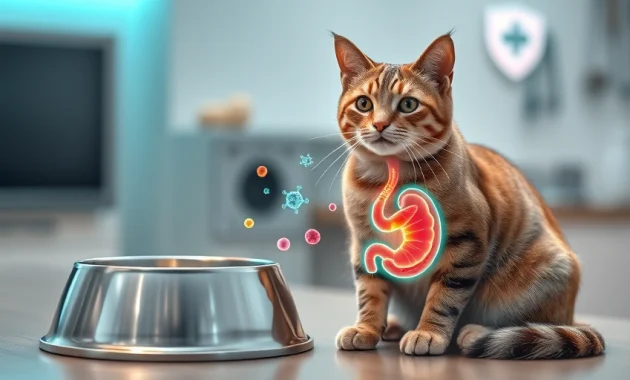
When cat parents think about nutritional health, their minds often jump to protein percentages, taurine levels, or grain-free formulas. While high-quality protein and essential amino acids are crucial, another vital system quietly governs your cat’s overall vitality: the gastrointestinal (GI) microbiome.
Inside your cat’s stomach and intestines lives a complex ecosystem of trillions of microorganisms. This microscopic community—consisting of bacteria, fungi, and other microbes—acts as a busy command center. It regulates digestion, supports nutrient absorption, trains the immune system, and even influences mood through the brain-gut connection.
In recent years, veterinary nutritionists and pet food manufacturers, such as Purina Pro Plan, have placed probiotics at the center of modern feline care. But what exactly are probiotics? How do they work inside a cat’s digestive system? And why have they become essential for managing stress, diarrhea, antibiotic recovery, and long-term vitality?
This guide dives deep into feline gut health, explaining the science of the microbiome, the benefits of probiotics, and practical tips for supporting your cat's digestion.
Deconstructing the Feline GI Microbiome and Probiotics
To understand why probiotics matter, we must first examine the natural biological landscape of the feline digestive tract.
Feline GI Microbiome Ecosystem:
┌─────────────────────────────────────────────────────────────┐
│             Trillions of Microorganisms (Microbiome)        │
│                                                             │
│  ┌─────────────────────────────┐   ┌─────────────────────┐  │
│  │   Commensal "Good" Bacteria │   │ Opportunistic Pathogens│  │
│  │   (Lactobacillus, Bifido)   │   │ (E. coli, Clostridia)│  │
│  └──────────────┬──────────────┘   └──────────┬──────────┘  │
│                 │                             │             │
│                 ▼                             ▼             │
│     Target Balanced Ratio: ~85% Good vs. ~15% Pathogenic     │
└─────────────────────────────────────────────────────────────┘
1. What is the Feline Microbiome?
The feline gastrointestinal microbiome is a complex ecosystem of microorganisms residing mainly within the colon and small intestine. In a healthy cat, these microbes live in a mutually beneficial relationship (symbiosis) with the host body.
-
Commensal Bacteria ("Good" Microbes): Strains like Lactobacillus, Bifidobacterium, and Enterococcus faecium actively break down food components, generate beneficial short-chain fatty acids (SCFAs), produce vitamins (such as B-complex vitamins and Vitamin K), and prevent harmful bacteria from taking over.
-
Pathogenic Organisms ("Bad" Microbes): Microorganisms like Clostridium perfringens, Salmonella, and Escherichia coli naturally exist in tiny amounts. When the gut is healthy, commensal bacteria keep these pathogens under control, preventing them from causing harm.
2. Defining Probiotics, Prebiotics, and Synbiotics
The terminology surrounding gut health can sometimes be confusing. Here is a clear breakdown of these key terms:
Gut Health Terminology Matrix:
├── Probiotics  ➔ Live, beneficial microorganisms introduced to support gut flora
├── Prebiotics  ➔ Non-digestible fibers (food) that feed commensal good bacteria
└── Synbiotics  ➔ A targeted combination of both Probiotics and Prebiotics
-
Probiotics: Live microorganisms that, when administered in adequate amounts, confer a direct health benefit on the host animal by restoring balance to the gut microflora.
-
Prebiotics: Specialized, non-digestible plant fibers (such as chicory root, inulin, or fructooligosaccharides / FOS) that pass through the upper digestive tract undigested. They serve as a primary food source for beneficial bacteria in the colon.
-
Synbiotics: Formulations that combine both probiotics and prebiotics in a single diet or supplement. This ensures the newly introduced live bacteria have the nutrients they need to grow and thrive.
The Biological Functions and Health Benefits of Probiotics
Why are probiotics so vital for a obligate carnivore like the cat? The benefits extend far beyond simply soothing an upset stomach.
Systemic Impact of Probiotic Action:
├── 1. Pathogen Exclusion     ➔ Outcompetes bad bacteria for intestinal wall binding sites
├── 2. Immunomodulation      ➔ Interacts with GALT (70%+ of total immune system)
├── 3. SCFA Synthesis         ➔ Produces butyrate, acetate, and propionate for cell energy
└── 4. Anti-Inflammatory      ➔ Reinforces tight junctions in the intestinal lining
1. Competitive Pathogen Exclusion
Beneficial bacteria act as physical shields along the intestinal lining (epithelium).
By occupying binding sites along the gut mucosa and consuming available nutrients, probiotics prevent dangerous pathogens like E. coli or Salmonella from attaching, multiplying, and releasing harmful toxins into the bloodstream.
2. Supporting the Immune System
Did you know that over 70% of a cat’s immune system is located in the gut?
Known as the Gut-Associated Lymphoid Tissue (GALT), this specialized tissue constantly scans the contents of the digestive tract.
Probiotics interact with GALT immune cells, training them to recognize the difference between harmless food nutrients and dangerous pathogens. This interaction helps reduce unnecessary inflammation while sharpening the immune system's response to real threats.
3. Production of Short-Chain Fatty Acids (SCFAs)
When probiotics ferment prebiotic fibers in the colon, they create essential chemical compounds called Short-Chain Fatty Acids (SCFAs)—primarily butyrate, acetate, and propionate.
Prebiotic Fermentation Pathway:
Prebiotic Fiber ──► Probiotic Fermentation ──► Short-Chain Fatty Acids (SCFAs)
                                                          │
                                                          ▼
                             Energy Source for Colonocytes + Anti-Inflammatory Protection
-
Cellular Fuel: Butyrate serves as the primary energy source for colonocytes (the cells lining the colon), helping them repair and maintain a healthy gut barrier.
-
pH Balance: SCFAs lower the intestinal pH, creating a slightly acidic environment where harmful bacteria cannot survive, while beneficial microbes flourish.
-
Intestinal Integrity: By strengthening the "tight junctions" between intestinal cells, SCFAs prevent leaky gut syndrome, keeping undigested food particles and bacterial toxins from leaking into the bloodstream.
When Cats Need Probiotics Most
While everyday probiotic maintenance helps keep digestive health stable, certain life events and medical triggers make probiotic support essential.
Primary Clinical Triggers for Probiotic Therapy:
├── 1. Post-Antibiotic Recovery  ➔ Restoring beneficial microflora wiped out by medication
├── 2. Stress & Lifestyle Shifts ➔ Mitigating stress-induced cortisol spikes that disrupt gut flora
├── 3. Dietary Transitions       ➔ Preventing loose stools when switching foods
└── 4. Age-Related Changes      ➔ Supporting digestive health in kittens and senior cats
1. During and After Antibiotic Treatment
Antibiotics are life-saving medications when treating bacterial infections. However, antibiotics cannot distinguish between harmful bacteria and beneficial gut microbes. A standard course of antibiotics can wipe out large populations of commensal bacteria, leaving the gut vulnerable.
This sudden imbalance (dysbiosis) often causes Antibiotic-Associated Diarrhea (AAD).
Administering species-appropriate probiotics during and after antibiotic therapy helps replenish lost good bacteria, restoring digestive balance and preventing chronic loose stools.
2. Environmental Stress and Behavioral Transitions
Cats are creatures of habit who take comfort in routine and familiar spaces. Stress triggers a release of hormones like cortisol and adrenaline, which alter gut motility, reduce protective mucus production, and disrupt the balance of gut microbes.
Probiotic support is especially helpful during high-stress situations, such as:
-
Moving to a new home or re-arranging furniture.
-
Welcoming a new baby, roommate, or pet into the family.
-
Experiencing separation anxiety (e.g., when a owner returns to in-person work).
-
Going on vet visits, car rides, or stays at a boarding kennel.
-
Hearing loud noises like storms, construction, or fireworks.
3. Food Transitions and Dietary Changes
A cat's digestive enzymes and gut microbes adapt to process their specific daily diet. Switching foods too quickly—even when upgrading to a healthier brand—can overpower their digestive capacity, leading to vomiting, gas, or diarrhea.
Supplementing with probiotics during a 7- to 10-day food transition period provides extra microflora support, helping your cat process the new ingredients smoothly and avoiding digestive upset.
4. Special Life Stages: Kittens and Seniors
Kittens
Young kittens have delicate, developing immune systems and immature microbiomes.
As they transition from their mother's milk to solid food, move to new homes, or undergo early vaccinations, their gut flora can easily fall out of balance. Probiotics help build a resilient microbiome, preventing diarrhea and supporting steady, healthy growth.
Kitten Microbiome Development Timeline:
Mother's Milk (Colostrum) ──► Solid Food Transition ──► Mature Microbiome Established
                                        │
                                        ▼
                   Probiotics support microflora development
Senior Cats (Ages 7+)
As cats age, their digestive efficiency naturally declines. Senior cats often experience reduced nutrient absorption, decreased pancreatic enzyme output, and age-related changes in gut motility.
In addition, senior cats are more prone to chronic conditions like Chronic Kidney Disease (CKD) or Hyperthyroidism. Daily probiotic support helps older cats absorb key nutrients efficiently, maintain a healthy body weight, and manage inflammation.
Feline Probiotics vs. Human Probiotics
A common question among pet parents is: "Can I just open a human probiotic capsule and mix it into my cat's food?"
The short answer is a firm no. You should never give human probiotic supplements to a cat.
Human vs. Feline Probiotic Distinction:
┌──────────────────────────────────────┬──────────────────────────────────────┐
│       Human Probiotic Formulations   │     Feline-Specific Formulations    │
├──────────────────────────────────────┼──────────────────────────────────────┤
│ • Acid-adapted for human stomach pH  │ • Formulated to survive feline stomach│
│ • Strains optimized for omnivores    │ • Strains native to carnivore guts   │
│ • Higher risk of artificial additives│ • Dosed safely for feline body weight │
└──────────────────────────────────────┴──────────────────────────────────────┘
-
Stomach Acid Survival: A cat’s stomach is far more acidic than a human’s, reaching pH levels as low as 1 to 2 to process raw meat and bones. Human probiotic strains are not designed to survive this harsh environment and will be destroyed before reaching the cat's intestines.
-
Host-Specific Species Adaptation: Humans are omnivores, whereas cats are obligate carnivores. Their intestinal length, digestive transit times, and native bacterial communities are completely different. Species-specific strains (such as Enterococcus faecium SF68) are isolated directly from healthy animal guts to ensure they can colonize a cat's intestinal wall effectively.
-
Risk of Hidden Ingredients: Human supplements often contain artificial sweeteners (like xylitol, which is toxic to pets), flavorings, or high concentrations of fibers that can trigger severe diarrhea in cats.
Probiotics in Modern Pet Foods: The Purina Pro Plan Approach
Recognizing the vital role of gut health, leading pet food brands now integrate microencapsulated, live probiotics directly into daily kibble and wet food recipes. Purina Pro Plan has led much of this research through its dedicated veterinary science teams.
Pro Plan Probiotic Integration Spectrum:
├── Microencapsulation Tech  ➔ Protective coating preserves live cultures during shelf storage
├── Guaranteed CFU Count      ➔ Guarantees millions of active live cultures per batch
└── Target Specialty Formulas ➔ Formulas for Urinary, Hairball, Senior, and Weight Management
1. The Challenge of Live Microbes in Dry Kibble
Historically, adding live probiotics to dry pet food was difficult because the high heat and pressure used during kibble production (extrusion) kills live bacteria.
Purina solved this issue using advanced microencapsulation technology:
-
Live probiotic cultures (Enterococcus faecium) are coated in a protective, heat-resistant shell.
-
These encapsulated probiotics are applied to the outside of the cooked kibble after the cooling phase.
-
The protective coating keeps the bacteria dormant and stable on the shelf, allowing them to reactivate once they reach your cat's moist, warm digestive tract.
2. Purina Pro Plan Product Lines Featuring Probiotics
Purina Pro Plan integrates guaranteed levels of live probiotics across a wide variety of specialized formulas:
Pro Plan Product Line Examples:
├── Adult Maintenance   ➔ Salmon & Rice / Chicken & Rice Dry Formulas
├── Specialized Health   ➔ Urinary Care, Indoor Hairball Control, Weight Management
├── Senior Health       ➔ Adult 7+ Wet and Dry Specialized Diets
└── Dog Formulas        ➔ Small Breed, Sensitive Skin & Stomach
-
PRO PLAN Adult Maintenance (Chicken / Salmon): Designed for healthy adult cats to support everyday digestion and immune health.
-
PRO PLAN Adult Urinary Care: Combines low dietary magnesium with probiotic support to maintain optimal urinary pH while keeping gut flora balanced.
-
PRO PLAN Adult Indoor Hairball Control: Pairs functional natural fibers with probiotics to help pass swallowed hair safely through the digestive tract.
-
PRO PLAN Adult Sterilised / Weight Loss: Formulated with adjusted protein and fat levels alongside probiotics to keep spayed or neutered cats lean and healthy.
-
PRO PLAN Adult 7+ Formulas: Uses easily digestible ingredients, antioxidants, and probiotics to support aging immune systems and nutrient absorption.
Best Practices for Administering Probiotics
Whether you feed a probiotic-fortified diet like Pro Plan or use standalone supplements (like powders, pastes, or pills), following proper administration guidelines ensures maximum benefits.
Probiotic Administration Best Practices:
┌─────────────────────────────────────────────────────────────┐
│ Consultation Phase ➔ Check with your vet for dosage advice   │
├─────────────────────────────────────────────────────────────┤
│ Timing Protocol    ➔ Give 2 hours away from antibiotic doses │
├─────────────────────────────────────────────────────────────┤
│ Storage Care       ➔ Keep powders in a cool, dry place      │
└─────────────────────────────────────────────────────────────┘
1. Consult Your Veterinarian First
Always speak with your veterinarian before adding new supplements to your cat's diet. Your vet can confirm whether your cat's symptoms stem from a simple gut imbalance or require medical treatment for conditions like Inflammatory Bowel Disease (IBD), pancreatitis, or intestinal parasites.
2. Time Probiotics Properly Around Antibiotics
If your cat is taking antibiotics, do not give the antibiotic and probiotic at the same time. The antibiotic will kill the beneficial bacteria before they can reach the gut.
💡 Probiotic Timing Rule: Administer probiotics at least 2 hours before or 2 hours after your cat's antibiotic dose. This gap allows the antibiotic to absorb while protecting the live probiotic cultures.
3. Store Probiotics Correctly
Live bacterial cultures are sensitive to heat, moisture, and direct sunlight. Keep dry food bags tightly sealed in a cool, dry place. If using standalone probiotic powders or pastes, follow the package instructions carefully—some formulations require refrigeration after opening to stay potent.
Conclusion: Gut Health as a Foundation for Feline Wellness
A healthy cat is a happy cat, and true health starts from within. The GI microbiome plays a crucial role in managing digestion, absorbing nutrients, supporting immune defenses, and protecting against daily stress.
By choosing nutrient-rich foods fortified with guaranteed live probiotics—such as Purina Pro Plan—or using species-appropriate supplements during times of stress, illness, or food transitions, you provide your cat with the essential tools needed for a long, active, and healthy life.
Feline Probiotic Quick-Reference Guide
| Health Goal / Scenario | Recommended Action | Expected Outcome |
| Everyday Digestive Health | Feed a high-quality diet fortified with live probiotics (e.g., Pro Plan). | Stable stool quality, better nutrient absorption, and stronger immune defenses. |
| Antibiotic Therapy | Administer a veterinary-grade probiotic powder 2 hours away from antibiotics. | Replaces lost good bacteria and prevents antibiotic-associated diarrhea. |
| Environmental Stress | Start probiotics 3–5 days before a move, vet visit, or travel. | Minimizes stress-induced cortisol spikes and prevents loose stools. |
| Dietary Transition | Mix probiotics into food during a 7- to 10-day transition period. | Reduces stomach upset when introducing new ingredients. |
| Senior Cat Care | Use daily probiotic formulas tailored for older cats (Ages 7+). | Supports declining nutrient absorption and reinforces aging immune systems. |
Frequently Asked Questions (FAQ)
1. What are probiotics for cats?
Probiotics are live beneficial microorganisms that help maintain a healthy balance of bacteria in your cat's digestive system. They support digestion, strengthen the immune system, improve nutrient absorption, and help protect against harmful bacteria that can cause digestive problems.
2. How do probiotics benefit a cat's digestive system?
Probiotics improve digestive health by restoring the natural balance of gut bacteria. They help break down food more efficiently, produce beneficial short-chain fatty acids (SCFAs), reduce inflammation, and reinforce the intestinal lining, leading to healthier digestion and more consistent stool quality.
3. What is the difference between probiotics, prebiotics, and synbiotics?
Although these terms are often used together, they have different roles:
- Probiotics: Live beneficial bacteria that support gut health.
- Prebiotics: Non-digestible fibers that feed beneficial bacteria.
- Synbiotics: A combination of probiotics and prebiotics designed to maximize digestive health benefits.
4. Can probiotics improve a cat's immune system?
Yes. More than 70% of a cat's immune system is located in the gastrointestinal tract. Healthy probiotic bacteria interact with Gut-Associated Lymphoid Tissue (GALT), helping regulate immune responses, reduce unnecessary inflammation, and improve the body's ability to fight harmful pathogens.
5. When should a cat take probiotics?
Probiotics are especially beneficial during:
- Antibiotic treatment or recovery
- Food transitions
- Stressful situations such as moving or travel
- Episodes of diarrhea
- Recovery from digestive illness
- Kitten development
- Senior cat care
- Long-term digestive maintenance
6. Should probiotics be given while a cat is taking antibiotics?
Yes, but timing is important. Antibiotics can kill both harmful and beneficial bacteria. Administer probiotics at least 2 hours before or after antibiotic medication to help preserve the beneficial bacteria and reduce the risk of antibiotic-associated diarrhea.
7. Can kittens safely take probiotics?
Yes. Veterinary-formulated probiotics are generally safe for kittens and can help establish a healthy gut microbiome during weaning, dietary changes, vaccinations, and relocation to a new home. Always consult your veterinarian before introducing supplements.
8. Are probiotics helpful for senior cats?
Absolutely. Older cats often experience reduced digestive efficiency and nutrient absorption. Daily probiotics can help maintain healthy digestion, support immune function, and improve nutrient utilization during the aging process.
9. Can probiotics reduce diarrhea in cats?
Yes. Probiotics are commonly recommended to help manage mild digestive upset, stress-related diarrhea, antibiotic-associated diarrhea, and digestive imbalance caused by dietary changes. Persistent diarrhea should always be evaluated by a veterinarian.
10. Can probiotics help during stressful events?
Yes. Stress can disrupt the balance of gut bacteria through the gut-brain axis. Providing probiotics before and during stressful situations—such as moving, boarding, fireworks, or introducing a new pet—may help maintain digestive stability.
11. Is it safe to give human probiotics to cats?
No. Human probiotics are formulated for the human digestive system and may not survive a cat's highly acidic stomach. They may also contain ingredients that are unsuitable or harmful for cats. Always choose probiotics specifically formulated for feline use.
12. Which probiotic strains are commonly used in cats?
Common veterinary probiotic strains include:
- Enterococcus faecium
- Lactobacillus acidophilus
- Lactobacillus casei
- Bifidobacterium animalis
- Bifidobacterium bifidum
These strains have been studied for their ability to support feline digestive and immune health.
13. What are short-chain fatty acids (SCFAs), and why are they important?
SCFAs are beneficial compounds produced when probiotics ferment prebiotic fibers. They:
- Provide energy for intestinal cells
- Strengthen the intestinal barrier
- Reduce inflammation
- Lower intestinal pH
- Discourage the growth of harmful bacteria
14. How long does it take for probiotics to work?
Some cats show improvements within a few days, especially for mild digestive upset. For chronic digestive support or immune health, noticeable benefits may take several weeks of consistent daily use.
15. Are probiotic-enriched cat foods effective?
Yes. Premium veterinary-backed diets, including certain Purina Pro Plan formulas, use advanced technologies like microencapsulation to protect live probiotic cultures during manufacturing, ensuring they remain active when consumed.
16. Can probiotics replace veterinary treatment?
No. Probiotics are a supportive nutritional tool, not a replacement for veterinary diagnosis or treatment. If your cat experiences persistent vomiting, severe diarrhea, weight loss, bloody stool, or other serious symptoms, seek veterinary care promptly.
17. How should probiotics be stored?
Storage depends on the product. Most dry probiotic foods should be kept in a cool, dry place with the package tightly sealed. Some standalone probiotic supplements require refrigeration after opening. Always follow the manufacturer's storage instructions.
18. Are there any side effects of probiotics?
Most healthy cats tolerate probiotics very well. Occasionally, mild gas or temporary soft stools may occur during the first few days as the digestive system adjusts. These symptoms typically resolve on their own.
19. Can probiotics help cats with inflammatory bowel disease (IBD)?
Probiotics may provide supportive benefits by improving microbial balance and reducing intestinal inflammation, but they should only be used as part of a veterinarian-directed treatment plan for cats diagnosed with IBD.
20. What is the best way to support long-term gut health in cats?
A comprehensive approach includes:
- Feeding a nutritionally complete, high-quality diet
- Providing probiotic support when appropriate
- Minimizing unnecessary stress
- Transitioning foods gradually
- Maintaining hydration
- Scheduling regular veterinary checkups