The Complete Clinical Guide to Pediatric Feline Health: Immunology, Pathogens, and Preventative Protocols
2 weeks ago
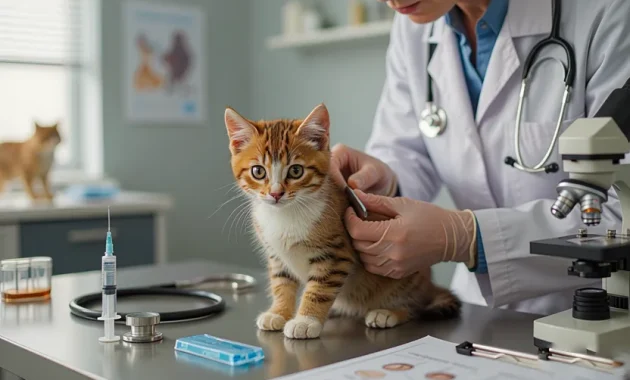
Bringing a new kitten into a home or shelter environment is a rewarding experience, but it frequently introduces sudden veterinary challenges. A kitten that appears vibrant, playful, and completely healthy on day one can rapidly become lethargic, anorexic, and critically ill within forty-eight hours.
Because a pediatric feline's internal anatomy and immune defenses are immature, they lack the physical resilience of adult cats. For foster parents, shelter managers, and cat owners, recognizing early signs of clinical decline is essential to saving a young kitten's life.
This comprehensive manual explores the physiological vulnerabilities of young kittens, analyzes common pediatric pathogens, details critical emergency stabilization protocols, and establishes long-term preventative health frameworks.
The Physiology of the Neonatal and Pediatric Feline
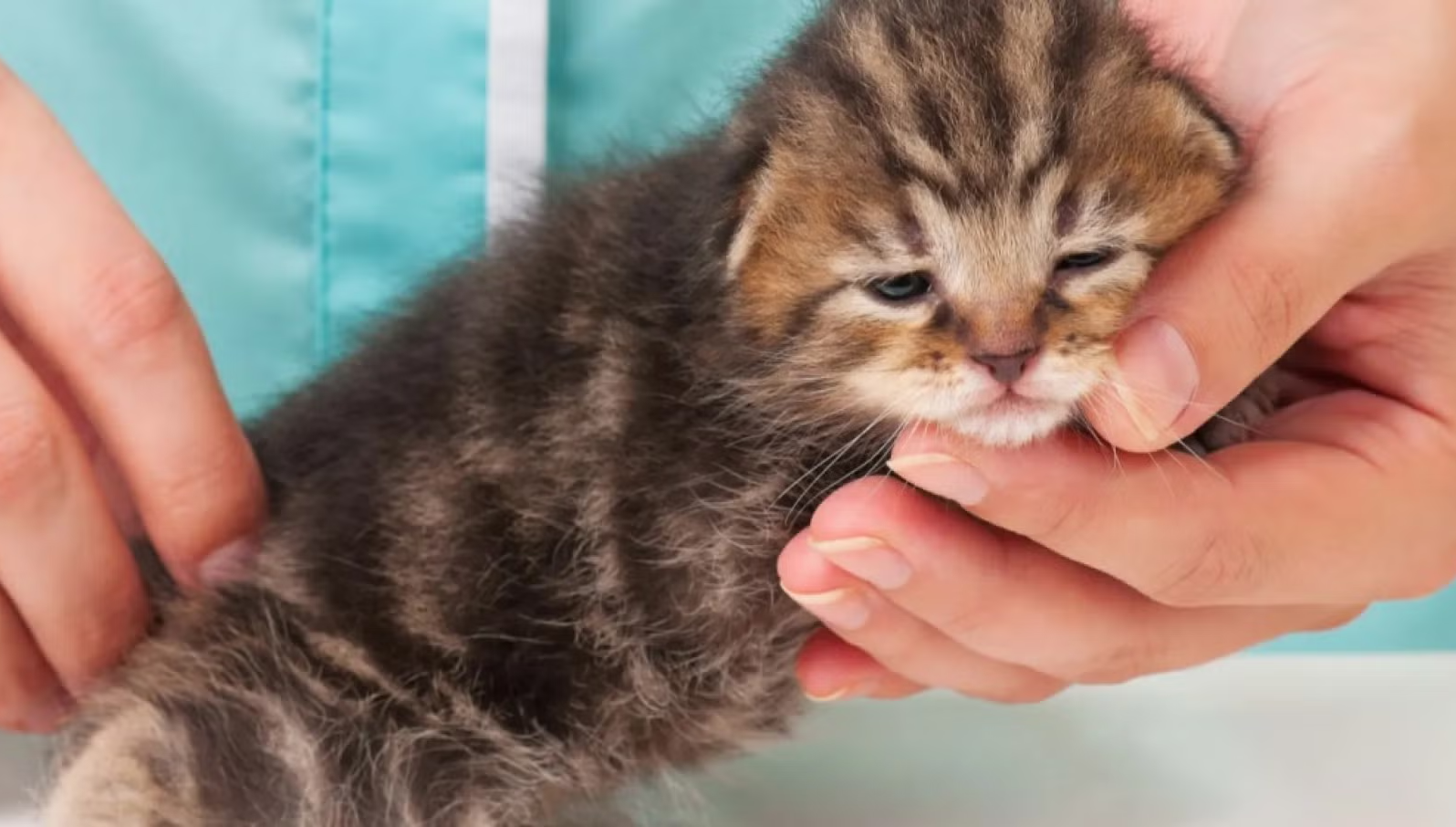
To effectively treat or prevent diseases in kittens, you must first understand the unique physiological vulnerabilities that define their early development. Kittens are not simply small adult cats; their metabolic, thermal, and immunological systems operate on entirely different baselines.
                  [The Pediatric Physiological Triad]
                                   │
         ┌─────────────────────────┼─────────────────────────┐
         ▼                         ▼                         ▼
  [Thermoregulation]       [Glucose Homeostasis]      [Immune Incompetence]
• No shivering reflex      • Minimal glycogen store   • Passive MDA decay
• Environment dependent    • High metabolic demand    • Susceptible to germs
• Hypothermia leads to ileus• Rapid hypoglycemia shock• The Weaning Gap window
1. Thermoregulatory Immaturity
During the first three weeks of life, neonatal kittens are ectothermic—they cannot regulate their own internal body temperature. They lack the shivering reflex and cannot constrict peripheral blood vessels to conserve heat. Instead, they rely entirely on ambient environmental temperatures and maternal huddling to maintain homeostasis.
If a kitten's core body temperature drops below 34.4°C (94°F), their gastrointestinal tract experiences a condition called ileus (paralysis of the intestinal muscles). If a hypothermic kitten is fed milk or food while their intestines are paralyzed, the food ferments within the stomach, releasing toxins into the bloodstream and causing rapid, fatal sepsis.
2. Glucose Homeostasis and Metabolic Demands
Kittens have an incredibly high metabolic rate but possess virtually no storage reserves for fats or glycogen in the liver. Their bodies require a continuous, uninterrupted supply of glucose to fuel cellular functions.
If a kitten misses even two consecutive feedings, or if an underlying infection prevents nutrient absorption, their blood sugar levels plummet. This results in pediatric hypoglycemia, which causes muscle tremors, seizures, comas, and irreversible brain damage if left untreated.
3. The Immunity Gap (Decay of Maternal Antibodies)
Newborn kittens possess an unprimed, naive immune system. During their first twenty-four hours of life, they absorb Maternally Derived Antibodies (MDA) directly from their mother’s colostrum (the initial milk produced after birth). This passive immunity provides systemic protection against the specific viruses and bacteria present in the queen's environment.
However, MDA naturally breaks down and decays over the first two months of life. As these maternal antibodies fade, they drop below protective levels, yet their lingering presence still interferes with the effectiveness of early vaccines. This creates a highly vulnerable window known as The Immunity Gap, which typically occurs between six and twelve weeks of age. During this period, the kitten's own immune system is not yet fully functional, making them highly susceptible to viral infections.
The Upper Respiratory Infection (URI) Complex
Feline Upper Respiratory Infection (URI) is an exceptionally contagious disease complex that affects the upper airways, nasal passages, sinuses, and ocular mucous membranes of growing kittens. In high-density settings like shelters or multi-cat homes, a single infected kitten can pass the pathogen to an entire population within days.
                     [Feline URI Pathogen Breakdown]
                                   │
         ┌─────────────────────────┴─────────────────────────┐
         ▼                                                   ▼
[Feline Herpesvirus-1 (FHV-1)]                     [Feline Calicivirus (FCV)]
• Targets corneal epithelium                       • Targets oral mucosa and joints
• Causes deep corneal ulcers                       • Causes painful tongue ulcers
• Becomes a lifelong latent nerve infection        • Can cause limping kitten syndrome
1. Primary Viral Pathogens
-
Feline Herpesvirus-1 (FHV-1): This virus targets the epithelial tissues of the nose, throat, and eyes. It causes severe conjunctivitis, swelling of the eyelids (chemosis), and painful, dendritic corneal ulcers that can lead to permanent blindness if left untreated. Once a kitten is infected with FHV-1, the virus remains in their system for life, hiding in the trigeminal nerve and flaring up during times of stress or illness.
-
Feline Calicivirus (FCV): While calicivirus can cause nasal and ocular discharge, its hallmark symptom is oral ulceration. Infected kittens develop painful, raw sores on their tongue, hard palate, and lips. This pain leads to excessive drooling and complete food refusal. Some strains of FCV also cause acute joint inflammation, leading to a temporary condition known as "limping kitten syndrome."
2. Secondary Bacterial Pathogens
Viral damage to the delicate nasal lining often allows secondary bacteria to take root, turning clear, watery fluid into thick, green-yellow mucus.
-
Chlamydia felis: This bacterium causes severe, persistent conjunctivitis, often starting in one eye before moving to the other. It results in bright red, swollen eye tissue and constant discharge.
-
Bordetella bronchiseptica: Unlike the viral components, Bordetella can travel down the trachea into the lungs, causing acute coughing, rales, and life-threatening bacterial pneumonia in young kittens.
3. Clinical Management and Supportive Protocols
Because the majority of URI cases are viral, treatment focuses primarily on targeted supportive care:
-
Olfactory Recovery and Nutrition: Kittens decide what to eat based on smell. When their nasal passages are blocked with thick mucus, they stop eating entirely. Use saline nose drops to loosen secretions, use a nebulizer or steam-filled bathroom to clear their airways, and offer highly aromatic, warmed, high-calorie wet foods.
-
Ophthalmic Therapy: Ocular symptoms require broad-spectrum topical antibiotics (such as Terramycin or Erythromycin ointment) to prevent secondary bacterial infections from rupturing the cornea. If corneal ulcers are present, avoid eye medications containing steroids, as they slow healing and can cause permanent eye damage.
-
Systemic Antibiotics: If a kitten develops a secondary bacterial infection—indicated by a fever and green or yellow nasal discharge—veterinarians will often prescribe oral Doxycycline. This antibiotic effectively targets Chlamydia and Bordetella.
Gastrointestinal Pathogens and Enteric Disease
Diarrhea and vomiting are among the most dangerous symptoms a pediatric feline can experience. Because of a kitten's small body mass, rapid fluid loss quickly causes severe dehydration, electrolyte imbalances, and hypovolemic shock.
                    [Pediatric GI Infection Pathways]
                                   │
         ┌─────────────────────────┼─────────────────────────┐
         ▼                         ▼                         ▼
[Feline Panleukopenia]          [Protozoan Parasites]       [Intestinal Helminths]
• Destroys bone marrow          • Giardia / Coccidia        • Hookworms / Roundworms
• Zero white blood cells        • Slimes intestinal lining  • Sucks vital nutrients
• High mortality rate           • Smelly, chronic diarrhea  • Causes pot-bellied look
1. Feline Panleukopenia Virus (FPV)
Feline Panleukopenia (also known as feline parvovirus or feline distemper) is an incredibly resilient, non-enveloped DNA virus that can survive on household surfaces for over a year. The virus selectively attacks rapidly dividing cells within the bone marrow and the intestinal crypts.
-
Pathophysiology: By destroying the bone marrow, FPV halts the production of white blood cells, completely wiping out the kitten's immune defenses (panleukopenia). At the same time, the virus destroys the lining of the small intestine, causing the mucosal barrier to slough off entirely.
-
Clinical Presentation: Affected kittens experience high fevers, complete lethargy, projectile vomiting, and foul-smelling, bloody diarrhea. They will often sit over water bowls, desperate for hydration but unable to drink due to extreme nausea. The mortality rate for unvaccinated kittens under eight weeks old exceeds 90%.
-
Treatment: FPV requires aggressive, immediate isolation and round-the-clock intensive care. Treatment includes intravenous fluid therapy to balance electrolytes, intravenous bactericidal antibiotics to prevent systemic sepsis, central antiemetics (like Maropitant), and early nutritional support via feeding tubes.
2. Protozoan Parasites: Giardia and Coccidia
These microscopic parasites live in contaminated environments and are easily ingested through grooming or shared litter boxes.
-
Isospora (Coccidia): Coccidia eggs multiply within the cells of the intestinal wall, causing profuse, watery, or mucous-filled diarrhea, weight loss, and dehydration. It is routinely treated with oral Sulfadimethoxine (Albon) or Ponazuril.
-
Giardia duodenalis: This parasite attaches to the lining of the small intestine, preventing the absorption of fats and nutrients. It causes chronic, pale, exceptionally foul-smelling diarrhea. Diagnosed via zinc sulfate fecal flotation or rapid ELISA tests, it is treated with Metronidazole or Fenbendazole.
3. Nematodes and Cestodes (Intestinal Worms)
-
Toxocara cati (Roundworms): Most kittens acquire roundworms directly from their mother’s milk or through grooming. Heavy roundworm infections cause a classic "pot-bellied" appearance, a dull and unthrifty coat, gas production, and vomiting. In severe cases, the sheer volume of worms can physically block the intestines.
-
Ancylostoma (Hookworms): Hookworms attach directly to the lining of the small intestine and feed on the kitten's blood. This can cause severe, life-threatening iron-deficiency anemia well before diarrhea or weight loss becomes apparent.
Dermatological and External Parasitic Conditions
Skin conditions in kittens do more than cause discomfort; they can carry zoonotic risks for human caretakers and introduce severe systemic complications.
1. Dermatophytosis (Ringworm)
Ringworm is not a worm, but a highly contagious superficial fungal infection primarily caused by Microsporum canis. It feeds on the keratin found in hair shafts, claws, and dead skin layers.
-
Clinical Diagnostics: Ringworm presents as circular patches of hair loss (alopecia), accompanied by scaling, crusting, and mild redness, typically around the face, ears, and paws. While a Wood’s Lamp (ultraviolet light) can cause infected hairs to glow a bright apple-green, definitive diagnosis requires a fungal culture on Dermatophyte Test Medium (DTM) or a diagnostic PCR test.
-
Therapeutic Management: Because fungal spores easily spread through the air, treatment must include both the animal and its environment. Kittens are typically treated with topical antifungal dips (such as Lime Sulfur) paired with systemic oral antifungals like Itraconazole. All surfaces must be thoroughly cleaned and disinfected with an accelerated hydrogen peroxide or bleach solution to destroy loose spores.
2. Flea Infestations (Ctenocephalides felis)
Because of their small size, a heavy infestation of blood-sucking fleas can quickly drain a kitten's blood volume, leading to severe flea anemia.
[Heavy Flea Load] ──► [Continuous RBC Consumption] ──► [Severe Flea Anemia] ──► [Hypoxia & Collapse]
-
The Danger of Toxicity: Many over-the-counter flea treatments formulated for adult cats contain pyrethrins or permethrins, which are highly toxic to a kitten's underdeveloped liver.
-
Safe Intervention: For kittens under eight weeks of age, physical removal is the safest method. Use a fine-toothed flea comb and wash the kitten with warm water and a gentle dish soap (ensuring the kitten is dried completely and kept warm immediately after). Once a kitten reaches the appropriate age and weight thresholds listed on the label, you can safely transition them to topical spot-on treatments (such as Selamectin or Fluralaner).
Emergency Triage and Critical Care Stabilization
When a pediatric feline shows signs of a medical crisis, you must act immediately. Waiting even twelve hours for a regular appointment can lead to irreversible decline. Use the following triage matrix to guide your immediate steps.
1. The Clinical Assessment Matrix
2. Step-by-Step Hypoglycemia Correction Protocol
If a kitten is weak, wobbly, non-responsive, or showing muscle tremors due to low blood sugar, follow these immediate steps:
-
Do Not Force Liquids: Never pour liquids or food down a non-responsive kitten’s throat, as this can easily cause aspiration into the lungs.
-
Mucosal Application: Rub a concentrated sugar solution, such as Karo syrup, maple syrup, or a 50% dextrose gel, directly onto the kitten’s gums and inside their cheeks. The mucous membranes will absorb the glucose directly into the bloodstream without requiring the kitten to swallow.
-
Apply Gentle Heat: Hypoglycemia and hypothermia go hand in hand. Once the sugar gel is applied, wrap the kitten in a warm towel and place them next to an exogenous heat source.
-
Veterinary Transit: Immediately transport the kitten to an emergency veterinary clinic for an intravenous or intraosseous fluid delivery.
Comprehensive Prophylaxis and Preventative Medicine
The most effective way to manage pediatric feline illnesses is to prevent them from taking root through a well-timed, proactive medical plan.
                     [Preventative Medicine Timeline]
                                    │
       ┌────────────────────────────┴────────────────────────────┐
       ▼                                                         ▼
[Ages 2 to 12 Weeks]                                    [Ages 6 to 20 Weeks]
• Strategic Deworming Schedule                          • FVRCP Core Vaccine Series
• Dose every 2 weeks with Pyrantel                      • Booster every 3-4 weeks
• Targets roundworm lifecycles                          • Overrides fading maternal antibodies
1. The FVRCP Core Vaccine Series
The FVRCP vaccine protects against three major feline viruses: Feline Viral Rhinotracheitis (Herpesvirus), Calicivirus, and Panleukopenia.
-
Initial Dose: Begin the vaccine series between six and eight weeks of age, just as maternal antibody protection begins to fade.
-
Booster Intervals: Administer a booster injection every three to four weeks until the kitten reaches sixteen to twenty weeks of age. This structural timing ensures that even if lingering maternal antibodies neutralize an early vaccine dose, a subsequent booster will successfully stimulate the kitten's own immune system.
-
Long-Term Immunity: Administer a final booster one year after the initial kitten series, followed by booster injections every three years to maintain robust immunity throughout adulthood.
2. Strategic Deworming Protocols
Because internal parasites are incredibly common and can be transmitted directly from the mother, do not wait for a positive fecal test to begin treatment.
-
Frequency: Administer a broad-spectrum dewormer (such as Pyrantel Pamoate) starting at two weeks of age. Repeat the dose every two weeks until the kitten reaches twelve weeks of age.
-
Mechanism: Pyrantel targets adult roundworms and hookworms within the intestines. Regular dosing breaks the parasite's life cycle, clearing away newly matured worms before they can reproduce or cause severe blood loss.
3. Transitional Nutrition Optimization
Proper nutrition forms the physical foundation of a strong immune system.
-
The Weaning Transition: Around four to five weeks of age, kittens begin transitioning from milk to solid food. Use a highly digestible, nutrient-dense "Kitten Starter" formula to make this transition easier on their developing digestive systems.
-
Immune System Support: High-quality pediatric diets are enriched with essential fatty acids, such as Docosahexaenoic Acid (DHA), and balanced antioxidants. These nutrients support healthy brain development, improve retinal function, and help the kitten build a stronger antibody response following their core vaccinations.
Summary Checklist: Protecting the Pediatric Feline
Managing kitten health requires a proactive approach centered on three core principles: maintaining strict environmental warmth, ensuring consistent nutrition, and adhering to rigorous vaccination schedules. By understanding the physiological vulnerabilities of the "immunity gap" and acting quickly at the first sign of symptoms, caretakers can successfully guide vulnerable kittens through their early development into a healthy, resilient adulthood.
FAQ
1. Why are kittens more vulnerable to illness than adult cats?
Kittens have immature immune systems, limited energy reserves, and poor temperature regulation. Unlike adult cats, they cannot effectively fight infections, maintain stable blood sugar levels, or regulate body temperature during the first weeks of life. This makes them highly susceptible to rapid health deterioration from common illnesses, parasites, or environmental stressors.
2. What is the “Immunity Gap” in kittens?
The Immunity Gap is a developmental period, typically between 6 and 12 weeks of age, when maternal antibodies received through colostrum begin to decline while the kitten's own immune system is still developing. During this time, kittens become especially vulnerable to infectious diseases such as Feline Panleukopenia, Herpesvirus, and Calicivirus.
3. Why is hypothermia so dangerous for young kittens?
Kittens younger than three weeks cannot regulate their body temperature effectively. When their body temperature falls below normal levels, their digestive system slows or stops functioning (ileus), making feeding dangerous. Food can ferment in the stomach, leading to bacterial overgrowth, toxin production, and potentially fatal complications.
4. What are the signs of hypoglycemia in kittens?
Common symptoms include:
- Weakness
- Tremors
- Wobbliness
- Disorientation
- Excessive sleeping
- Seizures
- Unresponsiveness
- Collapse
Hypoglycemia is a medical emergency and requires immediate intervention.
5. How should I respond if a kitten becomes hypoglycemic?
Apply a small amount of sugar source such as Karo syrup, maple syrup, or dextrose gel directly to the gums and cheeks. Keep the kitten warm and seek emergency veterinary care immediately. Never force liquids into an unresponsive kitten's mouth due to the risk of aspiration.
6. What causes Upper Respiratory Infections (URI) in kittens?
Most feline URIs are caused by:
- Feline Herpesvirus-1 (FHV-1)
- Feline Calicivirus (FCV)
Secondary bacterial infections such as Chlamydia felis and Bordetella bronchiseptica can worsen symptoms and increase severity.
7. What are the common symptoms of a feline URI?
Symptoms may include:
- Sneezing
- Nasal congestion
- Eye discharge
- Conjunctivitis
- Loss of appetite
- Fever
- Oral ulcers
- Excessive drooling
- Difficulty breathing
Severe cases may require veterinary treatment and supportive care.
8. Can feline herpesvirus be cured?
No. Feline Herpesvirus remains in the body for life after infection. Although symptoms can be managed, the virus remains dormant in nerve tissue and may reactivate during periods of stress, illness, or immune suppression.
9. What is Feline Panleukopenia Virus (FPV)?
FPV, also known as feline distemper, is a highly contagious and often fatal viral disease. It attacks rapidly dividing cells in the bone marrow and intestines, causing immune system collapse, severe gastrointestinal damage, dehydration, and sepsis.
10. What are the symptoms of Feline Panleukopenia?
Symptoms commonly include:
- High fever
- Severe lethargy
- Vomiting
- Bloody diarrhea
- Refusal to eat
- Dehydration
- Rapid weight loss
- Weakness
Immediate veterinary treatment is critical.
11. How is Feline Panleukopenia treated?
There is no direct cure. Treatment focuses on:
- Intravenous fluids
- Electrolyte correction
- Antibiotics to prevent secondary infections
- Antiemetics for vomiting
- Nutritional support
- Intensive hospitalization
Early intervention significantly improves survival rates.
12. What parasites commonly affect kittens?
Common intestinal parasites include:
- Roundworms (Toxocara cati)
- Hookworms (Ancylostoma)
- Giardia
- Coccidia
These parasites can cause diarrhea, weight loss, anemia, poor growth, and dehydration.
13. How can I tell if my kitten has worms?
Signs may include:
- Pot-bellied abdomen
- Diarrhea
- Vomiting
- Weight loss
- Poor coat condition
- Visible worms in stool
- Slow growth
Routine deworming is recommended even when symptoms are not obvious.
14. What is ringworm and why is it important?
Ringworm is a contagious fungal infection caused primarily by Microsporum canis. It causes circular hair loss, scaling, crusting, and skin irritation. It is zoonotic, meaning it can spread to humans and other animals.
15. How is ringworm diagnosed?
Veterinarians may use:
- Wood's Lamp examination
- Fungal culture
- PCR testing
- Microscopic hair analysis
Laboratory confirmation is often required for accurate diagnosis.
16. Are flea infestations dangerous for kittens?
Yes. Severe flea infestations can cause life-threatening anemia because fleas feed on blood. Young kittens have very limited blood volume, making them especially vulnerable.
17. What flea treatments are safe for young kittens?
For kittens under eight weeks:
- Flea combing
- Warm water bathing
- Mild dish soap baths
Always consult a veterinarian before using topical flea medications, as some products are toxic to young kittens.
18. When should kittens receive their first FVRCP vaccine?
Most kittens should receive their first FVRCP vaccine between 6 and 8 weeks of age, followed by boosters every 3 to 4 weeks until they reach 16 to 20 weeks old.
19. What does the FVRCP vaccine protect against?
The FVRCP vaccine protects against:
- Feline Viral Rhinotracheitis (Herpesvirus)
- Feline Calicivirus
- Feline Panleukopenia Virus
It is considered a core vaccine for all cats.
20. How often should kittens be dewormed?
A standard preventive schedule typically begins at 2 weeks of age and continues every 2 weeks until 12 weeks of age, using veterinarian-approved deworming medications.
21. What are emergency warning signs that require immediate veterinary attention?
Seek emergency care if a kitten experiences:
- Severe lethargy
- Collapse
- Seizures
- Persistent vomiting
- Bloody diarrhea
- Difficulty breathing
- Severe dehydration
- Inability to eat or drink
- Hypothermia
- Unresponsiveness
22. What are the most important factors for keeping kittens healthy?
The foundation of kitten health includes:
- Proper warmth
- Adequate nutrition
- Routine deworming
- Vaccination compliance
- Clean living conditions
- Early disease detection
- Regular veterinary examinations