The Ethology of Feline Contentment: A Clinical and Behavioral Guide to Cat Well-Being
5 days ago
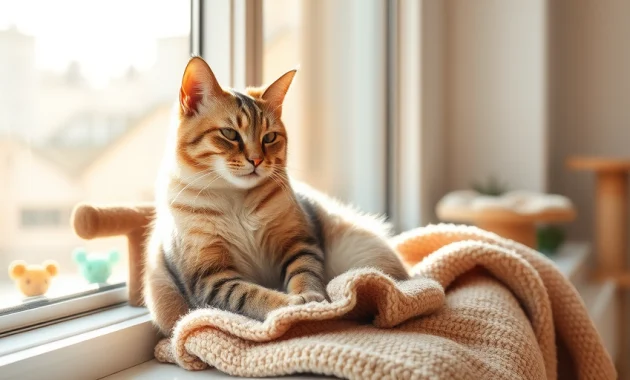
Felines (Felis catus) are evolutionarily distinct from canine companions; as solitary predators, their survival instincts prompt them to mask vulnerability, stress, and pathology. Consequently, assessing their emotional states requires an understanding of feline ethology, body language, and homeostatic baselines.
When evaluating a cat's well-being, caregivers must look beyond obvious signs and analyze a combination of vocalizations, micro-movements, daily routines, and physiological habits. This guide breaks down the behavioral mechanics that indicate a highly content, secure, and well-adjusted cat.
Neuro-Acoustic and Tactile Indicators
                        [The Comfort Feedback Loop]
                                     │
         ┌───────────────────────────┴───────────────────────────┐
         ▼                                                       ▼
[Vocal: Contextual Purring]                             [Tactile: Digital Kneading]
Low-frequency oscillation (25–150 Hz).                  Vestigial nursing behavior; activates
Paired with slow breathing = Contentment.               interdigital pheromone deposition.
Contextual Purring Mechanics
Purring is generated via an neural oscillator in the cat's brain, which sends rhythmic messages to the laryngeal muscles, causing them to twitch at a frequency of 25 to 150 Hz. While this frequency range can stimulate tissue regeneration and act as a self-soothing mechanism during pain or respiratory distress, true contentment is easily distinguished by its context:
-
The Content Purr: Occurs when the body is completely relaxed, the eyes are closed or half-lidded, and muscles show zero tension. It is often triggered by positive human contact, resting in warm environments, or social grooming.
-
The Distress Purr: Accompanied by dilated pupils, a rigid posture, pinned ears, or rapid breathing.
Vestigial Digital Kneading ("Making Biscuits")
Kneading is an instinctual behavior carried over from kittenhood, where neonatal kittens push against their mother's mammary glands to stimulate milk flow.
-
When an adult cat rhythmically pushes their paws against a soft surface, it indicates a deep psychological return to that secure, low-stress state.
-
This tactile action also serves an evolutionary purpose: it activates the interdigital glands located between the paw pads, depositing the cat's unique scent markers to claim the area as a safe zone.
Physiological Baseline Maintenance
A cat's emotional state is directly tied to their daily biological routines. Drastic changes in eating, sleeping, or grooming habits are often the first signs of stress or hidden medical issues.
                  [Physiological Baseline Matrix]
                                 │
       ┌─────────────────────────┼─────────────────────────┐
       ▼                         ▼                         ▼
[Appetite Regulation]     [Circadian Stability]     [Dermatological Care]
Active interest in food;   Consistent 12–16 hour     Symmetrical grooming;
anticipatory rubbing.      sleep cycle architecture. clean, glossy pelage.
-
Nutritional Drive: A content cat displays a healthy, predictable appetite. They show positive anticipation before meals through soft vocalizations and allomarking (rubbing their cheeks and flanks against their caregiver's legs to pool scents).
-
Circadian Rhythm Stability: Healthy domestic cats sleep between 12 and 16 hours a day. Contentment is marked by a highly consistent sleep schedule. Sudden shifts—such as sleeping excessively in hidden locations (lethargy) or frantic, broken sleep patterns (hypervigillence)—frequently point to underlying pain or anxiety.
-
Epicutaneous Maintenance (Grooming): Cats devote up to 50% of their waking hours to self-grooming. A clean, smooth, and shiny coat shows that a cat feels secure enough in their environment to let their guard down. Conversely, a dull, unkempt coat suggests systemic illness or depression, while bald spots from obsessive licking (psychogenic alopecia) indicate chronic stress.
Behavioral and Autonomic Diagnostics
Interspecies Toileting Habits
Cats are naturally driven to bury their waste to avoid attracting predators. A secure cat will consistently use their litter box.
When a cat eliminates outside the box, it is rarely out of spite; rather, it is a behavioral red flag indicating physical pain (such as Feline Lower Urinary Tract Disease) or extreme environmental stress (like territorial insecurity or a dirty litter box).
Predatory Drive Sublimation (Play and Curiosity)
Domestic environments can easily lead to boredom. A content cat satisfies their natural hunting instincts through play and environmental exploration:
-
Playfulness: Whether chasing interactive toys or swatting at solo enrichment items, an active play drive shows that a cat feels safe enough to focus on non-survival activities.
-
Environmental Curiosity: High well-being is marked by a healthy interest in their surroundings. Secure cats actively investigate new objects, look out windows, and confidently patrol their territory.
Visual and Postural Communication Matrices
                    [Postural Communication Indicators]
                                     │
         ┌───────────────────────────┼───────────────────────────┐
         ▼                           ▼                           ▼
  [Ocular State]               [Caudal Carriage]           [Ventral Exposure]
  Slow blinking lowers         The tail is held high       Exposing the belly shows
  defensive tension.           with a soft, inverted hook. ultimate environmental trust.
The Ocular Slow Blink
In the feline world, a prolonged, unblinking stare is interpreted as a direct threat or a challenge for dominance. Conversely, a slow, deliberate blink lowers tension and communicates safety. This behavior helps lower heart rates and acts as a clear sign of comfort and trust between a cat and their caregiver.
Tail Positioning and Spinal Alignment
The tail acts as an immediate indicator of a cat's emotional state. A happy, confident cat walks with their tail held straight up in the air, often ending in a soft, inverted hook (resembling a question mark). Their ears remain in a forward, relaxed position, and their whiskers point slightly outward rather than being pulled tightly back against their face.
The Social Roll and Ventral Exposure
When a cat drops to their back and exposes their stomach, they are putting themselves in a highly vulnerable position. Because the abdomen houses all their vital organs, a cat will only show their belly when they feel entirely safe and secure in their environment.
⚠️ Behavioral Note: Ventral exposure is an expression of safety and trust, not an invitation for a belly rub. Touching a cat's sensitive stomach in this position can trigger their natural defense instincts, leading to sudden scratching or biting.
Feline Behavioral Matrix
| Observed Sign | Technical Meaning | Associated Body Language |
| Question-Mark Tail | High confidence and social openness. | Head held high, forward-facing ears. |
| Allomarking (Rubbing) | Scent-sharing and social bonding. | Purring, tail held completely vertical. |
| Rhythmic Kneading | Deep emotional comfort and security. | Half-closed eyes, completely relaxed muscles. |
| The Slow Blink | Intentional reduction of social threat. | Soft eye focus, relaxed jaw muscles. |
FAQ
1. How can I tell if my cat is truly happy?
A happy cat typically displays a combination of relaxed body language, healthy daily routines, and positive social behaviors. Common signs include purring while relaxed, slow blinking, kneading soft surfaces, maintaining a healthy appetite, grooming regularly, using the litter box consistently, playing actively, and confidently exploring its environment. Since cats instinctively hide weakness, observing several behaviors together provides a more accurate assessment than relying on a single sign.
2. Does purring always mean a cat is happy?
No. Although purring is commonly associated with happiness and relaxation, cats also purr when they are frightened, injured, stressed, or experiencing pain. The surrounding body language provides the best clue. A content cat usually has relaxed muscles, partially closed eyes, slow breathing, and comfortable posture, whereas a distressed cat may show dilated pupils, tense muscles, flattened ears, or rapid breathing.
3. Why do cats knead blankets or their owner's lap?
Kneading is a natural behavior that originates during kittenhood when kittens press against their mother's mammary glands to stimulate milk production. Adult cats continue this behavior when they feel extremely comfortable and secure. Kneading also releases scent from glands located between the paw pads, allowing cats to mark familiar and safe locations.
4. What does it mean when my cat rubs against my legs?
This behavior is known as allomarking. Cats have scent glands around their cheeks, forehead, and body that deposit pheromones onto people and objects. Rather than claiming ownership, this behavior strengthens social bonds and creates a familiar scent profile that helps the cat feel secure.
5. Why do cats slowly blink at people?
A slow blink is considered a sign of trust and relaxation. In feline communication, prolonged staring can be interpreted as a threat, while slow blinking signals peaceful intentions. Many cats will return a slow blink from their owners, strengthening the bond between them.
6. What does a tail shaped like a question mark indicate?
A tail held upright with a gentle curve at the tip usually indicates confidence, friendliness, and positive emotional well-being. Cats often display this posture when greeting trusted people or approaching during social interactions.
7. Does exposing the belly mean my cat wants a belly rub?
Not necessarily. Belly exposure is generally a sign that a cat feels safe and secure. However, the abdomen is also one of the most vulnerable parts of the body. Many cats instinctively protect this area if touched, so exposing the belly should be interpreted as trust rather than an invitation to pet the stomach.
8. How much grooming is considered normal?
Healthy cats may spend up to half of their waking hours grooming. A clean, smooth, glossy coat usually reflects good physical and emotional health. Excessive grooming that creates bald patches or a sudden lack of grooming may indicate stress, pain, allergies, or an underlying medical condition requiring veterinary evaluation.
9. Why is my cat suddenly sleeping much more than usual?
Adult cats normally sleep between 12 and 16 hours daily. However, sudden increases in sleeping, especially when accompanied by reduced appetite, hiding, or decreased activity, may indicate illness or discomfort rather than simple tiredness.
10. Is regular play an indicator of happiness?
Yes. A cat that willingly stalks, chases, pounces, and captures toys is expressing natural hunting behaviors in a healthy way. Consistent play indicates good mental stimulation, confidence, and overall well-being.
11. Why would a happy cat stop using the litter box?
Litter box avoidance is often a warning sign rather than a behavioral problem. Medical conditions such as urinary tract disease, arthritis, constipation, or stress caused by environmental changes, dirty litter boxes, or territorial conflict can all contribute to inappropriate elimination.
12. How important is curiosity in determining feline happiness?
Curiosity is an excellent indicator of confidence. Cats that investigate new objects, watch birds through windows, patrol their territory, and interact with environmental enrichment generally feel safe enough to engage with their surroundings instead of remaining in survival mode.
13. Can changes in appetite reflect emotional well-being?
Yes. Healthy cats usually maintain consistent eating habits and often anticipate mealtime through vocalization or rubbing against their owners. Sudden appetite loss or overeating may indicate illness, anxiety, or environmental stress and should not be ignored.
14. Why do cats hide signs of illness?
Cats evolved as solitary hunters, where displaying weakness could attract predators or competitors. As a result, they instinctively conceal pain and illness, making subtle behavioral changes such as altered grooming, reduced play, hiding, or appetite changes especially important warning signs.
15. What combination of behaviors best indicates a content cat?
The strongest indicators include relaxed purring, slow blinking, kneading, a healthy appetite, regular grooming, normal litter box use, active play, curiosity, confident tail posture, rubbing against family members, and maintaining consistent daily routines. When these behaviors occur together, they strongly suggest that a cat feels safe, healthy, and emotionally secure.