The Masterclass Guide to Long-Haired Feline Wellness: Advanced Grooming, Trichobezoar Prevention, and Nutritional Engineering
2 weeks ago
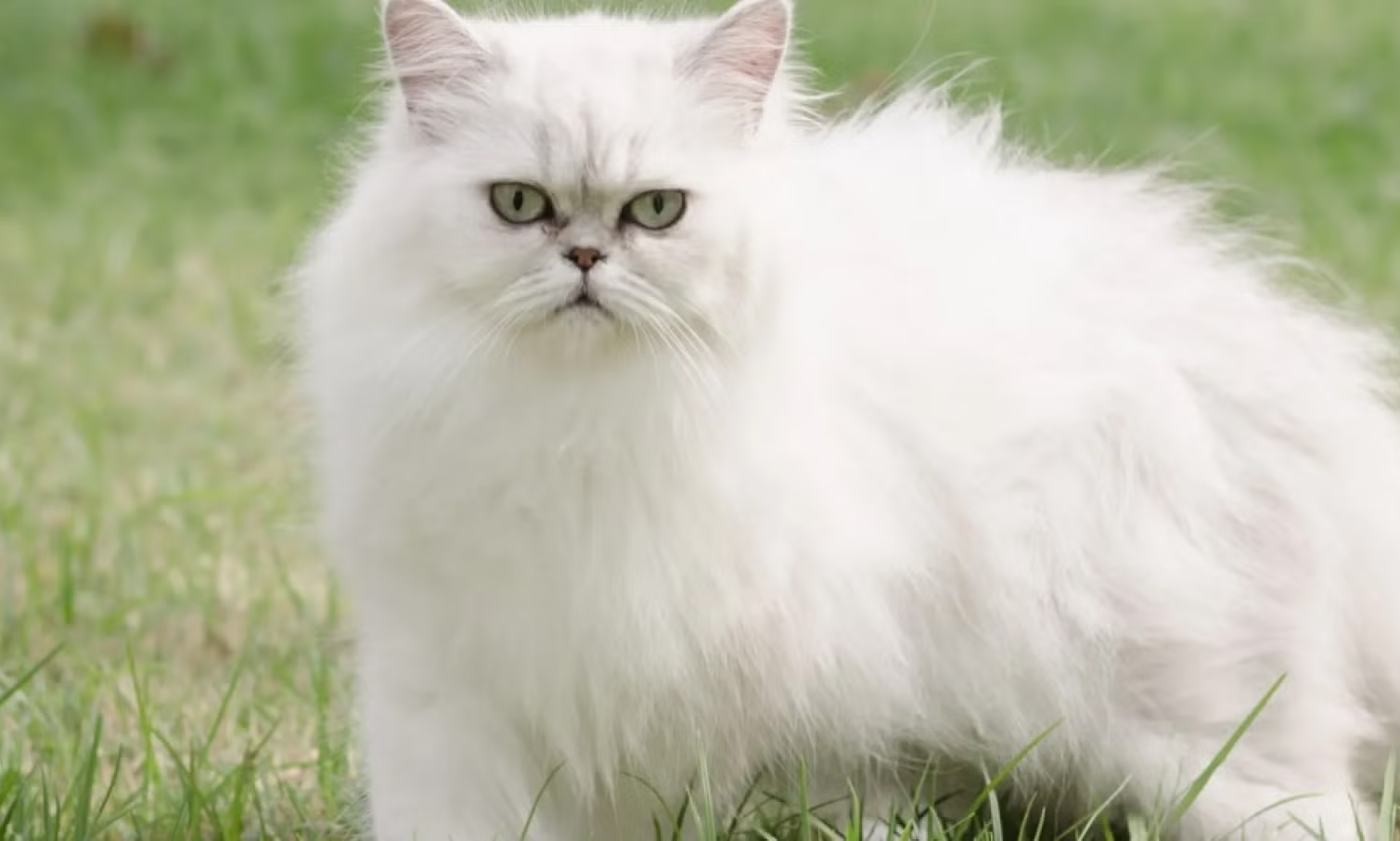
For dedicated pet parents (Pawrents), sharing a home with a long-haired cat is a deeply rewarding experience. Whether you care for a pedigree powerhouse like a Maine Coon or Persian, an elegant British Longhair or Ragdoll, or a beautiful long-haired domestic mix (kucing kampung bulu panjang), their thick, flowing coats give them a regal appearance.
However, beneath that luxurious, heavy fur lies a complex biological system with demanding care requirements. Unlike short-haired breeds, long-haired felines lack the anatomical capability to completely maintain their coats through self-grooming alone. Without active human intervention, their dense double coats quickly fall victim to severe matting, hairballs, skin infections, and high stress.
This masterclass manual provides an advanced framework for comprehensive long-haired cat care. We will detail the mechanics of undercoat mechanical grooming, establish safe bathing standards, map out the physiological triggers of gastrointestinal hairballs, and discuss target nutrition strategies to ensure your companion lives a healthy, vibrant life.
1. The Anatomy of the Long-Haired Feline Coat
To care for your cat's coat effectively, you must understand its structure. Long-haired cats do not just have longer hair; they have a dense, multi-layered system that varies across breeds.
Long-Haired Feline Coat Architecture:
├── 1. Guard Hairs   ➔ Outer layer; water-resistant; shields against superficial injuries
├── 2. Awn Hairs     ➔ Middle layer; provides primary color insulation and thermal control
└── 3. Down Hairs    ➔ Dense undercoat; soft, curly filaments prone to immediate matting
-
The Guard Hairs: The visible, long outer layer. These hairs act as a shield against scratches, insects, and light moisture.
-
The Undercoat (Down Hairs): The true source of grooming issues. This hidden bottom layer consists of thousands of ultra-fine, curly hairs packed tightly against the skin to insulate the body.
When dead hair sheds away from the skin, it cannot fall free from a long-haired coat as it does on a short-haired cat. Instead, it gets trapped in the surrounding active hairs. If these dead fibers are left alone, friction from the cat's natural movements weaves them into solid, concrete-like knots known as mats. These mats quickly form in high-friction zones like the belly, beneath the armpits (ketiak), around the collar, and the sanitary region.
2. Advanced Mechanical Grooming Protocols
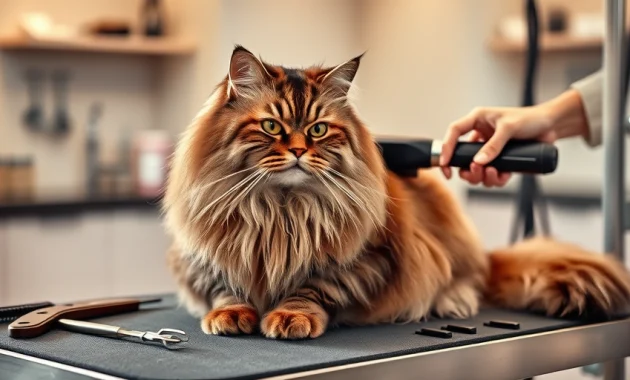
Brushing a long-haired cat is not a casual task; it is a vital health requirement that should be performed daily, or at a minimum, three to four times a week.
The Essential Tool Kit
Do not rely on cheap plastic human brushes, which merely graze the surface guard hairs while leaving the tangled undercoat completely untouched. Invest in professional tools:
-
A Steel Grey Sump Comb: A metal comb featuring dual-spaced teeth. The wide-spaced side breaks up large tangles, while the narrow-spaced side removes fine particles.
-
A High-Quality Slicker Brush: Features rows of fine, slightly angled wire teeth designed to pull away loose dead hair from the deep down undercoat.
-
A Dematting Tool / Rake: Features specialized curved blades safely insulated away from the skin to split and cut out tight mats without pulling.
The Step-by-Step Grooming Technique
3. The Clinical Hydrotherapy (Bathing) Protocol
While cats are famous for avoiding water, long-haired breeds require regular bathing every 1 to 2 months to clear out excess sebum oils, deep-seated environmental dust, and dander that brushing alone cannot reach.
Pre-Bath Conditioning Rule
⚠️ Critical Warning: Never place a long-haired cat into a bath while they have active mats. Water acts like an accelerator on tangled fur, causing the loose fibers to swell, tighten, and shrink into hard, un-brushable knots. You must completely brush and demat your cat before introducing any moisture.
The Safe Bathing Process
-
Thermal Calibration: Ensure the water is warm but comfortable (matching their core temperature at roughly 37°C–38°C). Cold water will induce panic and hypothermia, while hot water can easily scald their skin.
-
Shampoo Engineering: Use a high-quality, pH-balanced feline-specific shampoo rich in moisturizers (like oatmeal or aloe). Never use human shampoo or dish soaps, which strip away essential natural oils, dry out the skin, and spark a cycle of heavy flaking and scratching.
-
The Drying Phase: Wrap your cat in a highly absorbent micro-fiber towel to remove the bulk of the moisture. Use a specialized, low-heat pet blow dryer while continuously combing through the fur. Never leave a long-haired cat to air dry. Damp undercoats quickly trap humidity, creating the perfect warm environment for fungal infections like Ringworm (Dermatophytosis) to take hold.
4. The Biological Reality of Hairballs (Trichobezoars)
When a long-haired cat grooms themselves, the tiny backward-facing hooks on their tongue (papillae) act like a brush, causing them to swallow massive amounts of loose hair.
Pathological Hairball Cascade:
Excess Loose Undercoat Swallowed ➔ Hair Accumulates in Gastric Chamber ➔ Mixes with Food/Digestive Fluids
                                              ↓
   ┌──────────────────────────────────────────┴──────────────────────────────────────────┐
   ▼                                                                                     ▼
[ Normal Path ] ➔ Passes into intestines ➔ Expelled in stool        [ Pathological Block ] ➔ Cannot exit stomach ➔ Vomiting / Life-threatening obstruction
While passing an occasional hairball is common, frequent vomiting indicates that the digestive system is overwhelmed. If the swallowed hair cannot pass out of the stomach into the intestines, it forms a hard block that requires emergency abdominal surgery.
Dietary and Nutritional Shielding
To keep hair moving smoothly through the digestive tract, your cat needs specialized nutritional support.
-
High-Protein, High-Fat Base: Look for premium diets featuring real animal protein (like salmon or chicken) as the first ingredient. Essential fatty acids, specifically Omega-3 and Omega-6, keep the skin healthy and strengthen hair roots, significantly reducing daily shedding.
-
Natural Fiber Blends: A balanced mix of natural soluble and insoluble dietary fibers helps sweep swallowed hair along the digestive tract, allowing it to pass safely into the litter box before it can form a blockage.
-
Probiotic Integration: Active probiotics support overall gut health, ensuring smooth muscle contractions (peristalsis) remain strong and efficient.
Environmental and Behavioral Management
To round out your care routine, you must also manage your cat's immediate surroundings:
-
Substrate Cleanliness: Long-haired coats act like electrostatic dust mops, sweeping up everything from floor dust to loose litter box particles. Vacuum your floors frequently and wipe down outdoor cats' legs and bellies after play sessions.
-
Thermal Control: Thick-coated cats trap body heat very efficiently. Ensure your home has excellent ventilation, access to cool tiled floors, and fresh water stations to prevent heat exhaustion during warm seasons.
-
Early Socialization: Introduce the sight, sound, and feel of brushes and combs during the first few months of kittenhood. Turning grooming sessions into a positive routine using treats prevents behavioral stress and grooming resistance later in life.
Quick-Reference Long-Hair Care Checklist
Use this target summary matrix to maintain your long-haired cat's daily care schedule:
| Care Component | Target Frequency | Primary Tool / Strategy | Main Risk of Neglect |
| Mechanical Brushing | Daily (or 3–4x a week) | Slicker brush and steel comb; work section by section. | Severe matting, painful pelt tension, and skin tears. |
| Hydrotherapy (Baths) | Every 1 to 2 months | Feline shampoo; thorough pet blow-drying. | Excess sebum accumulation, odor, and fungal ringworm. |
| Nutritional Support | Daily Maintenance | High-protein diet rich in Omega-3/Omega-6 and natural fibers. | Chronic hairball vomiting, poor gut health, and constant shedding. |
| Sanitary Trimming | As Needed | Blunt-nosed clippers to carefully trim hair around the perianal zone. | Fecal contamination and tracking waste outside the litter box. |
FAQ
1. How often should I brush a long-haired cat?
Long-haired cats should ideally be brushed every day. If daily grooming is not possible, aim for at least three to four sessions per week. Regular brushing removes loose undercoat hair, prevents painful mats, reduces shedding, and minimizes hairball formation.
2. Why do long-haired cats develop mats so easily?
Long-haired cats have a dense undercoat that traps loose hairs. As your cat moves, these dead hairs become intertwined with healthy fur, eventually forming tight mats. Areas with constant friction—such as the armpits, behind the ears, belly, neck, and hind legs—are especially prone to matting.
3. What are the best grooming tools for a long-haired cat?
Professional grooming tools include:
- Steel comb with wide and narrow teeth
- Slicker brush
- Dematting rake or dematting comb
- Grooming scissors with rounded tips (for trimming only)
- Pet-safe detangling spray (optional)
These tools reach the dense undercoat more effectively than ordinary human brushes.
4. How do I safely remove mats from my cat's fur?
Never pull on a mat with force. Instead:
- Hold the fur close to the skin.
- Separate the mat with your fingers.
- Use a dematting tool or steel comb to gently loosen the edges.
- Work slowly toward the center.
- If the mat is extremely tight, seek professional grooming assistance rather than cutting it yourself.
5. Can I cut mats out with scissors?
It is not recommended. Cat skin is extremely thin and stretches easily, making accidental cuts surprisingly common. If trimming is necessary, use pet clippers or have the mat removed by a professional groomer or veterinarian.
6. How often should I bathe a long-haired cat?
Most long-haired cats benefit from a bath every one to two months, although the exact schedule depends on:
- Coat condition
- Outdoor activity
- Skin health
- Breed
- Veterinary recommendations
Cats with oily coats may require more frequent bathing.
7. Should I brush my cat before bathing?
Yes. Always remove tangles and mats before bathing. Water tightens existing mats, making them much more difficult—and often impossible—to brush out afterward.
8. What shampoo is safe for long-haired cats?
Use only shampoos specifically formulated for cats. Look for products containing moisturizing ingredients such as:
- Oatmeal
- Aloe vera
- Coconut-derived cleansers
Never use:
- Human shampoo
- Baby shampoo
- Dish soap
- Dog shampoo (unless approved by your veterinarian)
These products can disrupt your cat's natural skin barrier.
9. Can I let my long-haired cat air dry?
No. Air drying leaves the dense undercoat damp for hours, creating an ideal environment for bacterial and fungal growth. Instead:
- Towel dry thoroughly.
- Use a pet dryer on low heat.
- Comb the coat while drying to prevent tangles.
10. Why do long-haired cats get more hairballs?
Long-haired cats swallow significantly more loose fur while grooming. Most hair passes naturally through the digestive tract, but excessive amounts can accumulate inside the stomach, forming hairballs that may cause vomiting or intestinal blockage.
11. How can I reduce hairballs naturally?
You can reduce hairballs by:
- Brushing regularly
- Feeding a high-quality, high-protein diet
- Providing adequate hydration
- Choosing foods rich in natural fiber
- Using veterinarian-approved hairball formulas
- Supporting digestive health with probiotics when recommended
12. What are the signs of a dangerous hairball blockage?
Seek immediate veterinary care if your cat:
- Continues trying to vomit without producing anything
- Stops eating
- Appears lethargic
- Has abdominal pain
- Becomes constipated
- Has repeated vomiting
- Develops a swollen abdomen
These symptoms may indicate an intestinal obstruction requiring emergency treatment.
13. Does nutrition affect coat quality?
Absolutely. A healthy coat begins with proper nutrition. Diets rich in:
- Animal protein
- Omega-3 fatty acids
- Omega-6 fatty acids
- Vitamins A and E
- Zinc
- Essential amino acids
help produce healthier skin, stronger hair follicles, and reduced shedding.
14. Why does my long-haired cat shed so much?
Seasonal shedding is normal. However, excessive shedding may result from:
- Poor nutrition
- Stress
- Skin parasites
- Allergies
- Hormonal disorders
- Lack of grooming
Regular brushing removes loose hair before it becomes tangled.
15. Which cat breeds require the most coat maintenance?
High-maintenance long-haired breeds include:
- Persian
- Maine Coon
- Ragdoll
- Norwegian Forest Cat
- Siberian
- British Longhair
- Himalayan
- Turkish Angora
These breeds generally require frequent brushing and routine coat maintenance.
16. Should I trim the fur around my cat's rear?
Yes. A sanitary trim around the perianal area helps prevent feces from sticking to the fur, especially in elderly, overweight, or very fluffy cats. This improves hygiene and reduces odor.
17. Can grooming improve my cat's overall health?
Yes. Routine grooming helps:
- Detect skin infections early
- Identify fleas and ticks
- Find lumps or wounds
- Reduce hairballs
- Prevent painful mats
- Improve blood circulation
- Strengthen the bond between you and your cat
18. When should I visit a veterinarian instead of grooming at home?
Consult your veterinarian if you notice:
- Large, painful mats attached to the skin
- Red, inflamed, or infected skin
- Excessive scratching
- Bald patches
- Persistent dandruff
- Open wounds
- Repeated hairball vomiting
- Sudden excessive shedding
- Unpleasant skin odor
These signs may indicate an underlying medical condition rather than a simple grooming issue.