The Complete Guide to Feeding Persian Cats: Nutrition, Coat Health, and Choosing the Right Food
3 weeks ago
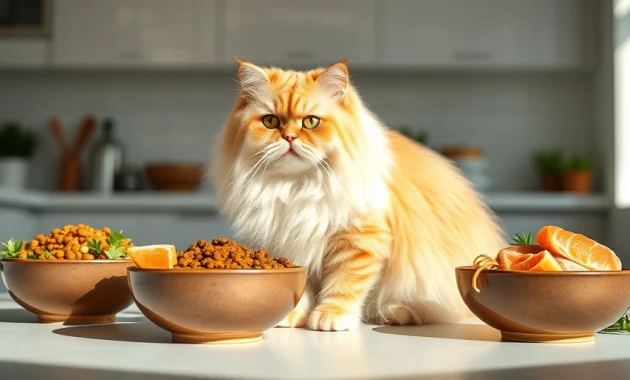
There's a particular experience that comes with welcoming a Persian cat into your home for the first time. You're prepared, or you think you are — you've read about their gentle, quiet temperament, you've bought the right brush for that extraordinary coat, you've set up a calm, clean space that suits their dignified personality. And then you stand in the pet food aisle, or scroll through options online, and realize that no one quite prepared you for the dietary dimension of this.
The food aisle, for any cat, is overwhelming. For a Persian cat specifically, it's genuinely consequential in a way that goes beyond just "getting something nutritious." Persians have a set of breed-specific characteristics — that dense, double-layer coat that requires nutritional support from the inside; the flat face anatomy (brachycephaly) that affects how they pick up food and chew; the predisposition to certain health conditions including polycystic kidney disease, urinary issues, and digestive sensitivities — that make the nutritional choices more specific than they are for a typical domestic shorthair.
This guide is the thorough version of what you need to know. We'll start with the foundational nutritional biology — what cats need in general and what Persians specifically need in addition. We'll work through the life stage dimension: how a Persian kitten's diet differs from an adult's, and how a senior Persian's needs shift again. We'll go deep on the wet versus dry question — the tradeoffs genuinely matter and the answer isn't the same for every Persian household. We'll cover the special condition diets that Persian owners frequently encounter. And we'll talk about the practical side: how to read a food label usefully, how treats fit into the picture, and how to know when you need your veterinarian's guidance rather than a general guide.
What Cats Need — The Biological Foundation
The Obligate Carnivore Reality
Persian cats are cats, and cats are obligate carnivores. This biological classification isn't marketing language or a dietary philosophy — it's a description of the cat's metabolic reality. Unlike omnivores (humans, dogs) who can extract adequate nutrition from a mix of plant and animal sources, and unlike herbivores who subsist entirely on plant material, obligate carnivores have evolved to depend on animal tissue as their primary and essentially sole source of many critical nutrients.
The cat's liver enzymes, digestive system, and metabolic pathways are calibrated for a diet that is predominantly animal protein and fat. Several nutrients that other species can synthesize from plant-based precursors, cats cannot manufacture at all — they must consume them directly from animal sources. This is why "high-quality animal protein" is the first and most non-negotiable element of any cat's diet, including a Persian's.
The specific nutrients that must come from animal sources include:
Taurine is the amino acid we've covered in other guides in this series, and it's worth naming again here because it's critical. Cats cannot synthesize taurine from other amino acids in adequate amounts. Taurine is essential for cardiac function, retinal health, and reproductive health. A taurine-deficient diet in cats causes dilated cardiomyopathy (heart disease) and retinal degeneration. This is why all properly formulated commercial cat foods supplement taurine — the consequences of deficiency are too severe.
Arginine is another amino acid cats cannot synthesize in adequate quantities. It's required for the urea cycle, which detoxifies ammonia produced during protein metabolism. Cats metabolize protein at high rates for energy (unlike dogs, which can shift to carbohydrates), so their urea cycle runs constantly and arginine deficiency produces ammonia toxicity rapidly.
Vitamin A in its active retinol form cannot be produced from plant-based beta-carotene by cats, who lack the enzyme for this conversion. Vitamin A must arrive preformed in the diet from animal sources.
Arachidonic acid is an essential fatty acid cats cannot synthesize from linoleic acid, unlike most mammals.
These metabolic realities explain why even the most carefully constructed plant-based or predominantly plant-based cat diet will eventually produce serious deficiencies — the animal-derived compounds simply aren't present in plant material in the forms cats can use.
What Makes Persian Nutrition Specifically Different
Within the framework of feline nutritional requirements, Persians have specific characteristics that shape their dietary needs in additional ways.
The coat is the most visible Persian-specific feature, and it genuinely requires nutritional support beyond baseline feline requirements. The Persian's coat is one of the most demanding in the cat world: it's long — sometimes reaching the floor in show cats — it's dense, with a thick undercoat beneath the flowing outer coat, and it requires extraordinary volume of hair production sustained over the cat's lifetime. Hair is primarily protein (keratin), and producing such a large volume of high-quality hair requires adequate dietary protein and the specific amino acids that keratinized structures need.
Beyond protein, the quality and appearance of the coat is significantly influenced by dietary fat and fatty acid composition. The omega-3 and omega-6 fatty acids in particular have direct effects on coat quality: omega-3 fatty acids (particularly EPA and DHA from marine sources) reduce skin inflammation, support the skin barrier that keeps the coat healthy from its roots, and produce the sheen and softness that distinguish a nutritionally well-supported Persian coat from one that looks dull or feels dry despite regular grooming. Omega-6 fatty acids support skin barrier function and coat growth rate. The balance of these fatty acids matters as much as their absolute presence.
Brachycephaly — the flattened face structure that gives Persians their distinctive appearance — creates practical feeding considerations that affect food format choices. The Persian's compressed facial anatomy affects how they grasp and chew food: they can't approach a piece of kibble from the same angle a normal-faced cat would, and large or oddly shaped kibble pieces can be genuinely difficult for them to pick up efficiently. This is why Persian-specific kibble formulations typically use rounder, flatter kibble shapes rather than standard triangular or irregular shapes — the flat disc shape is easier for a flat-faced cat to scoop up from a bowl and chew between their teeth.
Gastrointestinal sensitivity is more common in Persians than in many other breeds. The reasons are partially genetic and partially related to their sedentary indoor lifestyle and dense coat (which means more hair ingested during grooming). Persians are more prone to vomiting — both hairball-related and non-hairball digestive vomiting — than average, which has implications for food choice (highly digestible proteins, appropriate fiber levels) and meal format (smaller, more frequent meals are often better tolerated than large infrequent ones).
Polycystic kidney disease (PKD) is a genetic condition with particularly high prevalence in Persian cats — historical estimates suggest the gene was present in a large proportion of the Persian breed population, though dedicated screening and selective breeding by responsible breeders has significantly reduced this. PKD involves the development of cysts on the kidneys that gradually impair kidney function, and managing diet appropriately for kidney health — particularly hydration and protein quality — is important in Persians both as prevention and in cats with confirmed PKD.
The Core Nutritional Elements in Detail
High-Quality Protein: The Most Important Single Factor
Protein quality in cat food is not simply about protein percentage, though quantity matters too. Quality — specifically, the digestibility and amino acid profile of the protein sources — is at least as important.
Proteins are chains of amino acids, and different protein sources provide different amino acid profiles. Animal-derived proteins — named meats like chicken, turkey, salmon, beef, lamb, duck — provide complete protein with the full complement of essential amino acids in proportions close to what a cat's body uses. Plant-derived proteins — pea protein, corn gluten meal, soy — provide incomplete amino acid profiles that are missing several essential amino acids cats require, and they're less digestible even for the amino acids they do contain.
Digestibility is the practical measure of how much of the protein in a food a cat can actually absorb and use versus how much passes through without being utilized. A high-digestibility protein of 80% digestibility provides twice the usable amino acids as a 40% digestibility protein at the same dietary percentage. Animal proteins are generally in the 80-95% digestibility range; plant proteins are typically in the 50-70% range. This is why a food with 35% protein from high-quality named animal sources can be nutritionally superior to a food with 40% protein where substantial protein comes from plant sources.
For Persian cats specifically, the protein requirements beyond baseline include the additional amino acid demand for coat production. Methionine and cysteine — sulfur-containing amino acids — are the building blocks of the keratin that makes up hair. A Persian producing such a large volume of hair has higher methionine and cysteine requirements than a shorthaired cat, and these needs must be met through adequate dietary animal protein.
Reading labels for protein quality:
The ingredient list on a cat food label is ordered by weight, with the heaviest ingredients first. For a protein-quality assessment:
- The first ingredient should be a named meat source: "chicken," "turkey," "salmon," "beef," not just "meat," "meat by-products," "poultry," or other non-specific terms
- Multiple named meat sources in the top five ingredients indicates a protein-forward formulation
- "Chicken meal" or "turkey meal" are concentrated dried forms of the fresh meat and are not inferior to fresh meat — by weight, meal is actually more protein-dense because water has been removed
- Watch for protein sources listed later in the ingredient list that are primarily plant-based (corn, soy, peas, lentils) — these count toward the protein percentage on the label but provide lower-quality amino acid profiles
Essential Fatty Acids: What Makes the Coat Shine
Dietary fat serves multiple functions in cat nutrition: it provides concentrated energy (fat contains 9 calories per gram versus 4 for protein and carbohydrate), it enables absorption of fat-soluble vitamins (A, D, E, K), it provides structural material for cell membranes, and through the specific fatty acid composition it directly influences skin and coat quality.
The two families of fatty acids most relevant to Persian coat health:
Omega-6 fatty acids, particularly linoleic acid and arachidonic acid, are involved in skin barrier function, epidermal water retention, and inflammatory signaling. Adequate omega-6 intake supports the integrity of the skin from which the coat grows — a skin barrier that functions well keeps moisture in the skin (preventing dry, flaky skin that produces a dull, rough coat) and keeps environmental irritants out.
Omega-3 fatty acids, particularly EPA (eicosapentaenoic acid) and DHA (docosahexaenoic acid) from marine sources, have anti-inflammatory effects on the skin and systemically. They compete with the omega-6 derived inflammatory mediators, creating a more anti-inflammatory balance that benefits skin health, reduces inflammatory skin conditions, and produces the glossy, soft coat that distinguishes a well-nourished Persian from one whose diet is fat-deficient or omega-3 deficient.
The ratio of omega-6 to omega-3 in the diet matters as much as the absolute amounts. Most commercial cat foods contain adequate omega-6 (from chicken fat, plant oils) but are often lower in omega-3, particularly EPA and DHA, unless specifically supplemented with fish oil or added marine ingredients. Persian-specific formulas or premium foods marketed for coat health typically address this by including fish oil or other marine-source omega-3 supplementation.
When evaluating a food for coat support: look for ingredients like salmon oil, fish oil, or anchovy oil in the ingredient list. These provide EPA and DHA directly. Flaxseed oil and other plant-based omega-3 sources provide ALA (alpha-linolenic acid), which cats convert to EPA and DHA poorly — marine sources are significantly more effective for the specific omega-3 fatty acids that benefit coat and skin health.
Fiber: The Hairball Management Tool
Dietary fiber is not a nutrient cats require in the same sense as protein and essential fatty acids — they get no direct energy or structural benefit from it. However, it serves a mechanical function in the digestive tract that's particularly important for long-haired breeds like Persians.
Cats groom themselves extensively and inevitably swallow loose hair in the process. A Persian cat's coat is dramatically longer and denser than a typical domestic shorthair, which means substantially more fur is available to be swallowed during grooming sessions. In the stomach, swallowed fur can accumulate into trichobezoars — hairballs — that are periodically vomited up, or less commonly, that pass through the digestive tract. The formation and movement of these hairball masses is significantly influenced by dietary fiber.
Insoluble fiber adds bulk to digestive contents and stimulates intestinal motility — the rhythmic muscular contractions that propel material through the digestive tract. This mechanical effect helps carry swallowed hair through the intestine before it accumulates into a large hairball mass in the stomach. Foods marketed for hairball control typically have elevated insoluble fiber levels specifically to facilitate this passage.
Soluble fiber absorbs water and forms a gel-like consistency, which can help lubricate passage of material through the intestinal tract. The combination of insoluble and soluble fiber in appropriate proportions supports smooth digestive transit, which is both a hairball management strategy and a general gut health benefit.
For Persians, some degree of dietary fiber — above what a strictly meat-based diet would provide — is genuinely beneficial rather than just a filler. The specific target depends on the food format: many wet foods have lower fiber content, and owners who feed primarily wet food may benefit from occasional specific hairball control foods or supplemental fiber.
Vitamins and Minerals: The Supporting Cast
Beyond the macronutrients, commercial cat foods include a range of vitamins and minerals that support specific physiological functions. For Persians, a few deserve specific mention:
Biotin and B vitamins are involved in hair growth and coat quality and are present in adequate amounts in properly formulated commercial foods. Biotin deficiency specifically produces coat quality changes including loss of the coat's natural sheen.
Vitamin E functions as an antioxidant in both body tissues and skin lipids, protecting against oxidative damage that can affect coat quality. Marine-source omega-3 supplementation increases the need for vitamin E because polyunsaturated fatty acids are vulnerable to oxidation.
Zinc is required for skin and coat health and immune function. Deficiency produces coat changes including dullness and increased shedding. Adequately balanced commercial foods contain appropriate zinc, but the balance with other minerals (particularly calcium, which interferes with zinc absorption at high ratios) matters.
Calcium and phosphorus for bone and dental health, in appropriate ratios — the ratio matters as much as the absolute amounts, and this is one of the areas where homemade cat diets most frequently create problems.
Life Stage Nutrition — How Requirements Change
Persian Kittens: Fueling Rapid Development
The first year of a Persian kitten's life involves a pace of growth and development that is genuinely intense from a nutritional standpoint. A kitten that weighed perhaps 100 grams at birth needs to reach somewhere between 3-5 kilograms as an adult, and much of this growth happens in the first six months. The bone structure, muscle mass, brain development, immune system maturation, and dental development that occur during this period require nutritional support that's categorically different from adult maintenance needs.
Energy density must be high enough to support the growth rate. Kittens have higher caloric requirements per kilogram of body weight than adult cats because they're building tissue at a rapid rate. Foods specifically formulated for kittens are calorie-dense to support this demand.
Protein is the most critical macronutrient for kitten development — not just for the reasons it's important for adult cats (energy production, tissue maintenance) but because growing tissue is literally being built from dietary protein. The amino acid requirements during growth are elevated, and the consequences of protein deficiency during development are irreversible — stunted growth, poor muscle development, compromised immune system maturation.
Calcium and phosphorus are required in higher absolute amounts for bone mineralization, and the ratio between them must be appropriate. Too much calcium relative to phosphorus (which can happen if owners supplement calcium without understanding the interaction) paradoxically inhibits bone development rather than supporting it. Kitten-formulated commercial foods calibrate this ratio correctly; homemade kitten diets without expert guidance frequently get it wrong.
DHA deserves specific mention for Persian kittens: DHA is a structural component of brain and retinal tissue, and adequate dietary DHA during the period when these structures are developing has documented effects on cognitive and visual development. Many premium kitten foods specifically supplement DHA from marine sources for this reason.
Feeding frequency for kittens is higher than for adults — three to four smaller meals daily rather than one or two large ones — because their stomachs are small relative to their caloric needs and because spacing meals maintains stable blood glucose and steady nutrient availability for growth.
Adult Persians: Maintenance, Coat Health, and Weight Management
The adult phase — roughly one to seven years in Persians — is the maintenance period, when the goals shift from "build everything" to "maintain everything." This sounds simpler but involves its own complexities for Persians specifically.
Coat maintenance at adult scale is the nutritional demand most distinctive to Persians. An adult Persian produces several grams of coat per day — the volume of hair that needs to grow to maintain that floor-length coat through shedding and regrowth is substantial. The dietary protein and fatty acid requirements for coat maintenance, while lower than the kitten growth requirements for other tissues, remain elevated compared to shorthaired cats.
Weight management becomes a meaningful concern in the adult years, particularly for spayed and neutered cats (which is most pet Persians). As discussed in the sterilization guides in this series, the removal of reproductive hormones reduces metabolic rate and increases appetite simultaneously. Persians are already a relatively sedentary breed — they're not the type to be racing around the house doing athletic feats that burn substantial calories. The combination of reduced post-sterilization metabolic rate and natural Persian sedateness creates significant obesity risk if caloric intake isn't managed.
Obesity in Persians creates downstream health problems in specific ways relevant to their breed characteristics. Excess weight stresses joints that may already be affected by their relatively compact skeletal structure. Obesity exacerbates the urinary tract disease risk that's elevated in this breed. And obesity compounds the respiratory challenges that brachycephalic anatomy already creates — overweight flat-faced cats have more difficulty breathing and are more vulnerable to heat stress.
Dental health is a consideration unique to the Persian's physical structure. The brachycephalic anatomy that gives Persians their flat face creates dental crowding — the teeth that fit normally in a longer-muzzled jaw must fit into a shorter space, producing misalignment and crowding that contributes to tartar accumulation and dental disease. Dry kibble's mechanical abrasion on tooth surfaces, while not a complete dental health solution, provides some benefit compared to a diet consisting entirely of soft wet food, and this is one argument for including at least some kibble in an adult Persian's diet.
Senior Persians: Adapting to Aging
Persians begin to be considered senior around seven years of age, though the specific age at which individual cats show age-related changes varies. The nutritional adjustments for senior Persians reflect the physiological changes that accompany aging.
Caloric needs typically decrease as activity levels decline further with age. Senior Persians who are already relatively sedentary become even less active, reducing their maintenance caloric requirements. Continuing to feed an adult-formula quantity of food to a senior Persian whose caloric needs have dropped is a reliable path to obesity, with all its consequences.
Protein requirements are nuanced in senior cats. There's been debate in veterinary nutrition about whether older cats need more or less protein than adults. Current evidence suggests that most healthy senior cats actually need at least as much high-quality digestible protein as adults, possibly more, because older cats are less efficient at extracting protein from food and may have reduced ability to synthesize certain proteins. The historical advice to restrict protein in senior cats was largely driven by the concern that high protein worsens kidney disease — but for cats with normal kidney function, protein restriction isn't appropriate and may contribute to muscle wasting. For cats with confirmed kidney disease, however, protein management becomes important and should be guided by a veterinarian.
Appetite stimulation often becomes relevant in senior Persians. The senses of smell and taste decline with age, and senior cats who were previously enthusiastic eaters may show reduced food motivation. Warming wet food to enhance aroma (as discussed in earlier nutrition guides in this series) is a simple effective approach. Senior-formulated foods sometimes address this by using more aromatic protein sources or adding palatability enhancers.
Kidney health support becomes specifically relevant because of Persian cats' elevated PKD risk and the normal age-related kidney changes that occur in all cats. Adequate hydration through wet food or water access becomes even more important. Some owners of senior Persians transition toward higher proportions of wet food specifically to maintain kidney health through better hydration.
Antioxidant supplementation in senior cat formulas addresses the increased oxidative stress associated with aging — higher levels of vitamin E, vitamin C (which cats can synthesize but supplementation may still benefit in older cats), and specific antioxidant compounds like lutein support immune function and help counteract some age-related cellular changes.
Wet Food Versus Dry Kibble — A Thorough Analysis
The False Choice
The wet-versus-dry debate is sometimes framed as a binary either-or decision, and this framing is misleading. The evidence supports a more nuanced view: both formats have genuine advantages, and many nutrition-conscious cat owners and veterinarians recommend a mixed feeding approach that captures the benefits of both rather than committing entirely to one.
Understanding the genuine strengths and limitations of each format helps you construct a feeding approach suited to your specific Persian's needs.
The Case for Wet Food
Hydration is the most compelling advantage of wet food, and it's particularly relevant for Persians given their kidney disease risk. Wet food typically contains 70-80% moisture, compared to 8-10% in dry kibble. A cat eating wet food receives a substantial portion of their daily water requirement through their food, without relying on voluntary drinking behavior.
This matters because of a point made earlier in this series: cats evolved as desert-adapted animals with a naturally low thirst drive. Their bodies are calibrated to obtain most fluid from prey rather than from independent drinking. A cat eating only dry food is in a situation their evolutionary history never prepared them for — they need to drink substantially more than their instinct drives them to in order to maintain adequate hydration. Many cats don't compensate fully, resulting in chronic mild dehydration that stresses the kidneys over time.
For Persian cats with elevated PKD risk and the general feline susceptibility to urinary tract conditions, maximizing hydration through diet is a meaningful health intervention.
Palatability is another genuine wet food advantage, particularly relevant for Persians with potentially reduced appetite or for any cat who has become a selective eater. The aroma intensity of wet food is much higher than dry kibble because the volatile aromatic compounds that cats detect with their powerful olfactory systems can disperse freely from a moist surface but are largely locked in a dry kibble. A wet food that smells strongly appealing to a cat generates more consistent eating motivation than a dry food with muted aroma.
Lower carbohydrate content is a secondary benefit of most wet foods compared to most dry kibbles. Dry kibble requires starch for the extrusion manufacturing process, producing formulas that typically contain 20-40% carbohydrate. Many wet foods, particularly those formulated with meat-forward ingredient lists, contain substantially lower carbohydrate levels. For cats as obligate carnivores, lower dietary carbohydrate is generally closer to the macronutrient composition their metabolism is designed for.
Digestibility of many wet foods is higher than equivalent dry foods because the ingredient processing for wet food doesn't involve the high heat and pressure extrusion process of kibble manufacturing, which can affect amino acid availability.
The Case for Dry Kibble
Dental health contribution is the most clinically meaningful advantage dry food has over wet for most cats. The mechanical abrasion of crunching dry kibble against tooth surfaces physically removes some plaque and tartar as the cat chews. This is particularly relevant for Persian cats, whose dental crowding from brachycephalic anatomy makes them more vulnerable to tartar accumulation and dental disease.
It's important to be precise about the degree of this benefit: dry food is not dental care, and cats fed exclusively dry food still develop dental disease requiring professional veterinary cleaning. The contribution is marginal compared to actual tooth brushing (which is the gold standard for feline dental hygiene), but it's real and provides some value that wet food doesn't.
Convenience and flexibility are practical advantages that affect feeding logistics. Dry kibble can be left out for extended periods without spoiling, making it practical for households where cats are fed free-choice or where owners can't be present for multiple timed wet food meals. It's calorie-dense and easy to measure precisely for portion control. It has a long shelf life after the bag is opened. And it doesn't require refrigeration of leftovers.
Dental-supportive kibble shapes for Persians specifically: as mentioned earlier, Persian-specific kibble formulations address the brachycephaly challenge by using rounder, flatter kibble designs that flat-faced cats can pick up more effectively. If you're feeding dry food to a Persian, this design consideration matters for how comfortably they can eat.
The Mixed Feeding Approach
For most Persian cats, particularly adult and senior cats, a mixed feeding approach — some wet food at regular meal times alongside dry kibble available between meals or at designated feeding times — captures the primary benefits of both formats without the limitations of either.
The specific balance depends on the individual cat's health priorities:
For a Persian with kidney concerns, history of urinary issues, or any evidence of chronic dehydration: weight the balance toward wet food, potentially 75% or more of caloric intake from wet, with dry used primarily for dental benefit.
For a Persian with significant dental disease risk or confirmed dental challenges: include enough dry kibble (ideally the dental-supportive shapes specifically formulated for Persians) to provide daily mechanical cleaning, while maintaining wet food for hydration benefits.
For an overweight Persian: carefully portion-controlled dry food may actually be easier to manage than wet, since the calorie density is more consistent between products and the smaller volumes required are easier to measure precisely. However, ensuring adequate hydration through multiple water sources remains important.
Special Diet Considerations for Persians
Sterilized and Neutered Persians
This topic is covered in depth in the sterilization guides in this series, but the key dietary requirement deserves mention here: sterilized Persian cats have meaningfully lower caloric requirements than intact cats of equivalent size and activity level, combined with potentially elevated appetite. Continuing to feed adult-maintenance quantities of standard adult food after sterilization is a reliable path to obesity.
Look for formulations specifically labeled for sterilized or indoor cats, which are calibrated for lower caloric density, higher fiber content for satiety management, and often include specific minerals calibrated for urinary health — since sterilized cats have elevated urinary disease risk.
Hairball Control Diets
Given the Persian's coat volume and the corresponding amount of fur ingested during grooming, hairball control is a practical ongoing dietary consideration for most adult Persians. Hairball control formulas work primarily through elevated fiber content — specific fiber types that facilitate movement of ingested fur through the digestive tract rather than allowing it to accumulate in the stomach.
The fiber types used vary by formulation. Some use predominantly insoluble fiber (cellulose) for bulk and motility effects. Others use specific soluble fiber blends. Some use psyllium. The practical test is simply whether the product reduces hairball vomiting frequency for the individual cat — this can vary significantly between formulations and between individual cats.
For Persian owners, hairball control food can be the primary diet or can be alternated with regular food. Some owners feed hairball control food continuously; others cycle it in during heavy shedding seasons when ingested fur volume is highest.
Sensitive Stomach and Hypoallergenic Diets
Persians' elevated gastrointestinal sensitivity means that some individuals benefit from foods specifically formulated for digestive sensitivity. These formulations typically share a few characteristics: highly digestible protein sources that minimize undigested protein reaching the large intestine (which feeds bacterial fermentation that can cause gas and loose stool); limited ingredient lists that reduce the number of potential allergens; and specific fiber profiles that support a healthy gut microbiome without over-irritating a sensitive digestive tract.
True food allergies in cats involve an immune response to specific proteins — typically novel proteins the immune system has sensitized to over time. The most common feline food allergens are the most common cat food ingredients: chicken, beef, and fish, which cats encounter most frequently and therefore most frequently sensitize to. Hypoallergenic or limited-ingredient diets address this by using novel protein sources (venison, rabbit, duck, or hydrolyzed proteins where the protein molecules are broken into fragments too small for the immune system to recognize) that the cat hasn't been previously exposed to.
If your Persian is experiencing chronic digestive upset — frequent vomiting that isn't primarily hairball-related, loose or abnormal stools, reduced appetite, weight loss — a veterinary consultation to rule out underlying disease and potentially guide food selection is the appropriate next step rather than self-managing through food trials.
Kidney Health and PKD Considerations
For Persian cats with confirmed PKD or early kidney disease, dietary management becomes a veterinary-guided priority rather than a general selection exercise. The goals shift to:
- Maximizing hydration (strongly favoring wet food)
- Managing phosphorus intake (the kidneys' ability to excrete phosphorus is impaired in kidney disease, and excess dietary phosphorus accelerates damage)
- Maintaining adequate but not excessive protein intake
- Supporting blood pressure management if hypertension develops as a kidney disease complication
Prescription renal diets exist specifically for cats with kidney disease and are significantly different from standard maintenance foods in ways that require veterinary prescription and monitoring. Managing kidney disease through off-the-shelf food selection without veterinary guidance is not appropriate — the specific adjustments required depend on the stage and nature of the individual cat's kidney disease, which can only be determined through clinical assessment and blood/urine testing.
Treats, Supplements, and What Not to Feed
Treats: The 10% Rule and Why It Matters
Cat treats are a genuine and valuable tool for positive reinforcement, for bonding with your Persian, and for making medication administration less stressful when health situations require it. They're also one of the most common sources of unintentional caloric overfeeding in well-intentioned owners.
The practical guideline is that treats should constitute no more than 10% of your cat's total daily caloric intake. This is not an arbitrary percentage — it reflects the reality that commercially available cat treats are generally not nutritionally balanced for maintenance, and substituting a significant portion of a balanced diet with treats means substituting nutritionally incomplete food for a complete one. If the treats stay at or below 10%, the impact on overall nutritional balance is minimal. If treats creep up to 20-30% of daily intake — which is very easy to do with treat-motivated cats — the nutritional imbalance and caloric surplus become meaningful.
The 10% rule requires knowing approximately what 10% of your cat's daily calories looks like in treat form. A typical adult Persian might need 200-250 calories per day. Ten percent is 20-25 calories. Most commercial cat treats provide 2-5 calories per treat, which means the daily treat budget is roughly 5-10 treats — fewer than many owners might guess.
For Persians specifically, high-value coat-supportive treats — those containing salmon or other omega-3 rich fish, those made from single-ingredient dried meat — can double as both bonding tools and supplemental coat nutrition.
What Not to Feed Persian Cats
A brief but important list of foods that should never be fed to any cat, Persian or otherwise:
Onions, garlic, chives, and related alliums contain compounds that damage red blood cells in cats, causing a type of anemia that can be severe. Cooked forms are as harmful as raw, and the damage accumulates over time with repeated small exposures.
Grapes and raisins are well-established as toxic to dogs and are likely toxic to cats based on the mechanism of kidney damage, though cats are less likely to eat them voluntarily.
Xylitol is a sugar alcohol used as a sweetener in many human food products and causes dangerous drops in blood sugar in cats (and is severely toxic to dogs). Sugar-free gum, some peanut butters, sugar-free candy and baked goods, and many dental care products contain it.
Raw fish in large amounts contains an enzyme (thiaminase) that breaks down thiamine (vitamin B1), potentially causing neurological problems. Occasional small amounts are generally not harmful, but a diet heavily based on raw fish is problematic.
Raw eggs carry salmonella risk and contain avidin, which binds biotin and can cause deficiency.
Milk and dairy products are something most adult cats are lactose intolerant for — the enzyme lactase that digests lactose declines after weaning. A small amount of dairy may not cause obvious problems in some cats, but many will experience digestive upset. Dairy is not appropriate as a regular food for Persian cats.
Human medications deserve repeated emphasis: acetaminophen (Tylenol) is acutely fatal in cats. NSAIDs are dangerous. Many common human medications are harmful to cats because of their distinct liver metabolism. Never medicate a cat with human medications without specific veterinary guidance.
Supplements: When They Help and When They Don't
The supplement market for cats has grown substantially, and the evidence for various supplements ranges from well-established to entirely unproven. A few worth knowing about for Persian cats specifically:
Omega-3 fatty acid supplements (fish oil) have good evidence for coat and skin health benefit, particularly in cats whose primary diet is low in marine-source omega-3s. This is one of the more consistently supported supplements for Persian coat quality.
Probiotics have growing evidence for supporting gut microbiome health in cats, and given Persian cats' gastrointestinal sensitivity, may have particular value for some individuals. The evidence is still developing, but probiotic supplements specifically formulated for cats have an acceptable safety profile.
Hairball remedies ranging from petroleum-based lubricants to fiber-based products have variable evidence bases. Many veterinarians prefer the fiber-based dietary approach (hairball control food) over petroleum-based supplements for long-term management.
For anything beyond these, consult your veterinarian before adding supplements, because the interactions between supplements and nutrients in commercial foods, and between different supplements, can produce unexpected imbalances.
Reading Food Labels and Practical Selection
Decoding the Guaranteed Analysis
Every commercial cat food label includes a Guaranteed Analysis section that lists minimum or maximum percentages of crude protein, crude fat, crude fiber, and moisture. These numbers are useful but require interpretation.
Crude protein percentage tells you how much protein the food contains by weight, but doesn't tell you the protein's quality or digestibility. A high crude protein percentage from low-quality plant proteins is less valuable than a moderate crude protein percentage from high-quality animal proteins.
Dry matter comparison is necessary when comparing wet and dry foods, because the high moisture content of wet food makes the raw percentages incomparable. To compare on a dry matter basis: divide the percentage of each nutrient by (100 minus the moisture percentage) and multiply by 100. A wet food with 10% protein and 78% moisture has 10 ÷ 22 × 100 = 45.5% protein on a dry matter basis. This allows fair comparison with a dry food that lists 35% protein (at 10% moisture, that's 35 ÷ 90 × 100 = 38.9% on dry matter basis).
AAFCO statement is perhaps the most important single piece of information on a cat food label for safety: look for a statement that the food is "formulated to meet the nutritional levels established by the AAFCO Cat Food Nutrient Profiles" or has passed "AAFCO feeding trials." The first statement means the food's recipe meets AAFCO's standards on paper; the second (feeding trials) means the food was actually fed to cats and they remained healthy — a higher standard.
The Ingredient List Assessment
Beyond the Guaranteed Analysis, the ingredient list provides the quality signal:
- First ingredient should be a named animal protein: chicken, turkey, salmon, beef, not "poultry meal" or unspecified "meat"
- Multiple protein sources in the top five ingredients indicate protein emphasis
- Named fat sources (chicken fat, salmon oil) are preferable to generic "animal fat"
- The presence of specific named vegetables (peas, sweet potato, carrots) is less concerning than the presence of large amounts of corn, wheat, or soy as primary ingredients
- The total length of the ingredient list isn't itself meaningful — a very short ingredient list can indicate limited ingredients (potentially good for sensitive cats) or simply a more basic formulation
Conclusion: Feeding a Persian Well Is an Ongoing Practice, Not a One-Time Decision
The right food for your Persian today may not be the right food five years from now. Life stage transitions shift nutritional requirements significantly. Health developments — dental disease, kidney changes, weight gain, digestive sensitivity — may create needs for specific formulations. Your cat's individual preferences, palatability responses, and digestive tolerance will give you feedback about what works.
Building a good relationship with a veterinarian who knows your Persian and their health history is the most important single resource for navigating these decisions as they evolve. General guides like this one provide the foundational framework; a veterinarian familiar with your specific cat can apply that framework to their specific situation.
What stays constant across all life stages and health situations for a Persian: the commitment to high-quality animal protein as the foundation, adequate omega-3 fatty acids for that extraordinary coat, appropriate hydration through wet food and water access, and calorie management that keeps them at a healthy weight. Get these fundamentals right, and you've done the most important things you can do nutritionally for a long, healthy, magnificent Persian life.
FAQ (Frequently Asked Questions)
1. What is the best food for a Persian cat?
The best food for a Persian cat is a nutritionally complete, high-quality cat food that contains animal-based protein as the primary ingredient. Since Persian cats are obligate carnivores, they require diets rich in chicken, turkey, salmon, beef, or other named animal proteins.
Look for foods that also contain:
- Omega-3 fatty acids (EPA & DHA)
- Omega-6 fatty acids
- Taurine
- Digestible animal fats
- Moderate fiber for hairball control
- Balanced vitamins and minerals
Persian-specific formulas are often designed with kibble shapes that are easier for their flat faces to pick up.
2. Why do Persian cats have different nutritional needs than other breeds?
Persian cats have several breed-specific characteristics that influence their diet, including:
- Long, dense double coat requiring extra protein and healthy fats
- Flat (brachycephalic) facial structure that affects chewing
- Greater tendency toward hairballs
- Higher risk of digestive sensitivity
- Increased predisposition to polycystic kidney disease (PKD)
- Greater urinary tract concerns
- More sedentary indoor lifestyle
These factors make nutrition especially important for maintaining their health.
3. Why is animal protein so important for Persian cats?
Cats are obligate carnivores, meaning their bodies depend on nutrients naturally found in animal tissues.
Animal protein provides essential nutrients such as:
- Taurine
- Arginine
- Vitamin A (Retinol)
- Arachidonic acid
- Complete amino acid profiles
Unlike humans or dogs, cats cannot adequately synthesize these nutrients from plant ingredients.
4. How much protein should a Persian cat eat?
Rather than focusing only on protein percentage, owners should prioritize protein quality.
Ideal foods should:
- List a named meat as the first ingredient.
- Include multiple animal proteins.
- Use highly digestible protein sources.
- Minimize reliance on plant proteins such as soy, corn gluten, or pea protein.
Protein supports:
- Muscle maintenance
- Organ function
- Immune health
- Continuous coat growth
5. Why do omega-3 fatty acids matter for Persian cats?
Omega-3 fatty acids support:
- Healthy skin
- Reduced inflammation
- Soft, shiny fur
- Improved skin barrier function
- Overall coat quality
Excellent omega-3 sources include:
- Salmon oil
- Fish oil
- Anchovy oil
- Sardine oil
Marine-based omega-3s provide EPA and DHA, which are more beneficial than plant-based omega-3 sources.
6. Do Persian cats need extra fiber?
Yes.
Because Persian cats groom frequently and swallow large amounts of fur, moderate dietary fiber helps:
- Move hair through the digestive tract
- Reduce hairball formation
- Improve digestive regularity
- Support intestinal health
Hairball-control formulas often contain additional insoluble and soluble fiber.
7. Should Persian kittens eat different food from adults?
Absolutely.
Persian kittens require foods formulated specifically for growth because they need:
- More calories
- Higher protein
- More fat
- DHA for brain development
- Balanced calcium and phosphorus
- Higher vitamin and mineral levels
Kitten food supports:
- Skeletal development
- Muscle growth
- Immune system development
- Brain development
8. How often should Persian kittens eat?
Young Persian kittens generally benefit from:
- 3–4 small meals per day
Frequent meals help maintain energy levels while supporting healthy growth.
9. What changes when a Persian cat becomes an adult?
Adult Persian nutrition focuses on maintenance rather than growth.
Owners should prioritize:
- Weight management
- Coat maintenance
- Hairball prevention
- Dental health
- Hydration
- Healthy digestion
Since adult Persians are generally less active, calorie control becomes increasingly important.
10. Do senior Persian cats need a different diet?
Yes.
Senior Persians often benefit from diets that provide:
- Highly digestible protein
- Lower calorie density
- Increased moisture
- Antioxidants
- Kidney support
- Enhanced palatability
Many older cats also benefit from warming wet food to encourage eating.
11. Is wet food better than dry food for Persian cats?
Wet food offers several advantages:
- Higher moisture content
- Better hydration
- Lower carbohydrate levels
- Greater aroma
- Easier chewing
- Improved kidney support
Wet food is especially valuable for Persians with urinary or kidney concerns.
12. What are the benefits of dry food?
Dry food provides benefits including:
- Some mechanical cleaning of teeth
- Easy portion control
- Longer shelf life
- Convenient feeding
- Persian-specific kibble shapes designed for flat-faced cats
Although helpful, dry food should not replace proper dental care.
13. Is mixed feeding recommended?
Yes.
Many veterinarians recommend combining wet and dry food because it provides:
- Better hydration
- Improved dental support
- Greater dietary variety
- Better appetite stimulation
- Flexible feeding schedules
A mixed feeding approach often offers the advantages of both food types.
14. Why are Persian cats prone to hairballs?
Persians have extremely long, dense coats.
During grooming they swallow significant amounts of loose hair, increasing the likelihood of:
- Hairball vomiting
- Digestive discomfort
- Trichobezoar formation
Regular grooming combined with appropriate nutrition helps reduce this issue.
15. What ingredients should owners look for on food labels?
A quality Persian cat food should include:
- Chicken
- Turkey
- Salmon
- Beef
- Duck
- Lamb
Healthy fats such as:
- Salmon oil
- Chicken fat
- Fish oil
AAFCO nutritional statement
Moderate fiber
Added taurine
Avoid foods that rely heavily on:
- Corn
- Wheat
- Soy
- Large amounts of plant protein
16. Why is hydration so important for Persian cats?
Persians have an increased risk of kidney disease and urinary tract disorders.
Proper hydration helps:
- Maintain kidney function
- Dilute urine
- Reduce urinary crystal formation
- Improve overall health
Wet food is one of the easiest ways to increase daily water intake.
17. What is PKD, and why does it matter?
Polycystic Kidney Disease (PKD) is an inherited disorder commonly associated with Persian cats.
It causes fluid-filled cysts to develop in the kidneys over time, gradually reducing kidney function.
Cats diagnosed with PKD often require veterinary-guided nutritional management.
18. Should Persian cats eat special kidney diets?
Only if recommended by a veterinarian.
Prescription renal diets are formulated to:
- Reduce phosphorus
- Support kidney function
- Improve hydration
- Provide carefully balanced protein
Healthy Persians do not automatically require kidney prescription food.
19. Are hairball-control foods worth using?
Yes.
Hairball-control diets can reduce hairball frequency by:
- Increasing fiber
- Improving intestinal movement
- Helping swallowed fur pass through the digestive tract
Many Persian owners feed these diets year-round or during seasonal shedding.
20. How many treats should a Persian cat receive?
Treats should account for no more than 10% of daily calories.
For many adult Persians, this equals approximately:
- 5–10 average cat treats daily
Excess treats can contribute to obesity and nutritional imbalance.
21. What foods should Persian cats never eat?
Avoid feeding:
- Onion
- Garlic
- Chives
- Grapes
- Raisins
- Xylitol
- Large amounts of raw fish
- Raw eggs
- Milk
- Chocolate
- Alcohol
- Human medications such as acetaminophen (Tylenol)
These foods can cause serious illness or even be fatal.
22. Are supplements necessary?
Most healthy Persians eating a complete commercial diet do not require supplements.
However, some cats may benefit from veterinary-approved:
- Fish oil
- Omega-3 supplements
- Probiotics
- Hairball support products
Always consult a veterinarian before adding supplements.
23. How can I choose a high-quality Persian cat food?
Look for foods that include:
- Named animal proteins first
- Multiple meat ingredients
- Fish oil or salmon oil
- Taurine
- AAFCO nutritional adequacy statement
- Moderate fiber
- Balanced vitamins and minerals
Avoid foods where plant ingredients dominate the ingredient list.
24. Can a Persian cat's diet change throughout life?
Yes.
Dietary needs evolve based on:
- Age
- Activity level
- Weight
- Kidney health
- Digestive health
- Hairball frequency
- Dental condition
- Veterinary recommendations
Regular dietary reassessment helps maintain lifelong health.