The E-Commerce Blueprint for Premium Pet Care: Decoding Retail Economics, Nutritional Architecture, and Subscription Modeling in 2026
2 months ago
The commercial landscape of the global pet care market is undergoing a profound structural shift. What was once a simple retail market focused on convenience-grade kibble has evolved into a sophisticated, multi-billion-dollar omnichannel ecosystem driven by two major factors: human-grade premiumization and automated subscription commerce (Autoship). Modern pet owners no longer view themselves as mere caretakers; they operate as conscious consumers and health managers who demand food transparency, clinical-grade ingredients, and friction-free delivery.
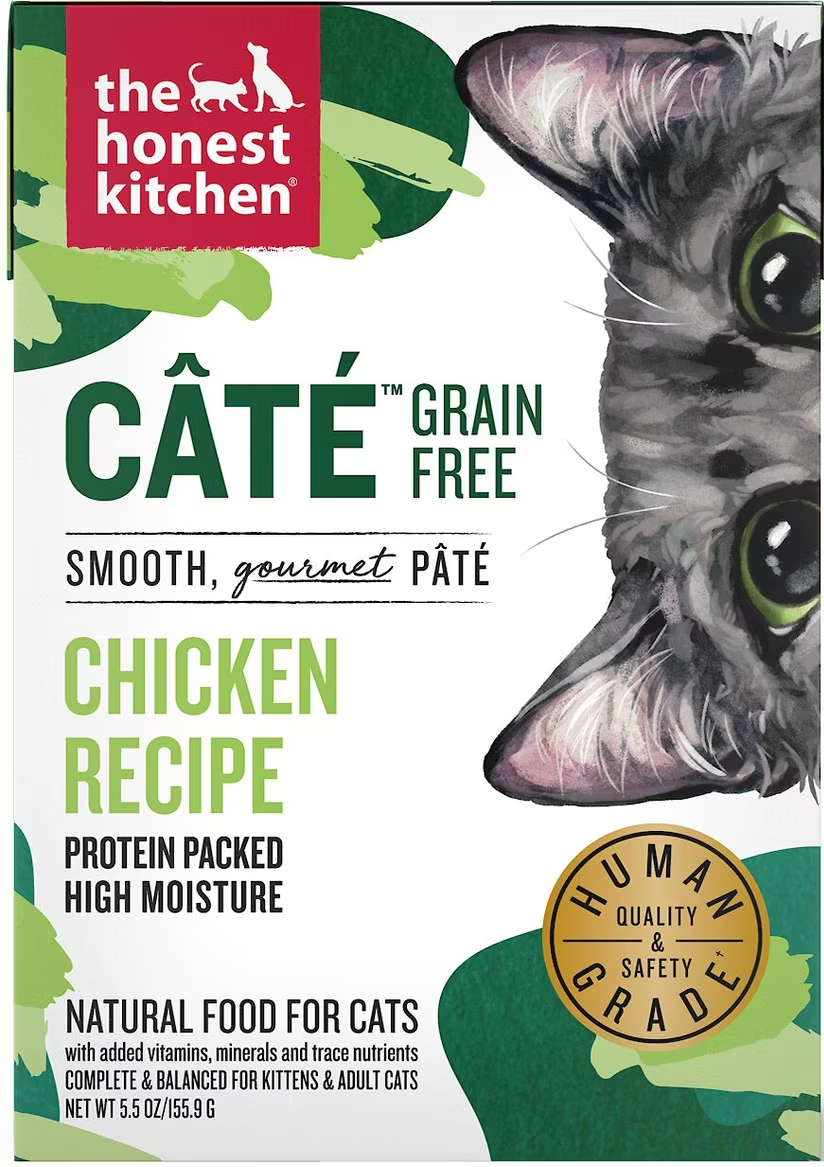
This deep-dive commercial analysis deconstructs the economics, nutritional science, and supply chain mechanics of premium pet food distribution in 2026. Using The Honest Kitchen Human Grade Grain-Free Chicken Pâté (5.5-oz, Case of 12) as our primary engineering case study, we will break down consumer acquisition math, analyze the nutritional biochemistry of clean-label feline wet foods, chart accurate life-stage feeding matrices, and map out the logistics of modern e-commerce subscriptions.
The Economics of Modern Pet E-Commerce: Acquisition, Incentives, and Lifetime Value
To understand how high-end pet products are distributed, you must first analyze the digital retail economics that power modern e-commerce giants like Chewy and Amazon. The pet sector features some of the highest brand loyalty metrics in all of consumer packaged goods (CPG). Once a pet owner finds a specialized therapeutic food that their animal tolerates and thrives on, the emotional and physical cost of switching brands becomes incredibly high. This reality shapes the aggressive loss-leader pricing and customer acquisition strategies used across the industry.
[ New Customer: $49+ Order + WELCOME Code ] ──> [ Gives $20 eGift Card + Free Shipping ] ──> [ Triggers 35% First-Time Autoship ]
                                                                                                    │
                                                                                                    ▼
[ Long-Term Ecosystem Retention ] <── [ Locks In 5% Continuous Margin ] <── [ Seamless 12-Month Lifetime Value (LTV) ]
The Customer Acquisition Cost (CAC) Paradigm
Retailers use precise financial hooks to attract new accounts, often operating at a net loss on the initial transaction to secure a highly profitable, recurring relationship over the long term. Consider the promotional structure active in the market today:
By offering an immediate $20 store credit on a $49 purchase, the retailer willingly gives up nearly 40% of their gross top-line revenue on that first box. When you factor in the high operational costs of free 1–3 day expedited shipping for heavy liquid items like canned pet food cases, the retailer's initial margin drops into negative numbers.
This calculated loss represents an upfront investment to capture the user's data, establish credit card tokenization, and guide them directly into the high-retention subscription funnel.
Deconstructing the Autoship Financial Engine
The real cornerstone of pet e-commerce profitability is the automated repeat delivery engine. The pricing tiers of our case study highlight this strategic funnel:
-
Standard List Price: $39.48 per case ($3.29 per 5.5-oz unit)
-
One-Time Chewy Price: $38.64 per case ($3.22 per unit — a baseline 2% discount)
-
First-Time Autoship Price: $25.12 per case (35% introductory discount, capped at a maximum savings of $20)
-
Recurring Autoship Price: $36.71 per case (5% continuous savings on all future automatic orders)
                       [ Case Price Unit Economics ]
                                     |
       +-----------------------------+-----------------------------+
       |                             |                             |
 [ List Retail Base ]          [ Recurring Autoship ]        [ First-Time Loss Leader ]
 - $39.48 per case             - $36.71 per case             - $25.12 per case
 - $0.59 per ounce             - 5% ongoing discount         - 35% customer capture hook
 - Baseline consumer cost      - Standard subscription tier   - Negative margin operational baseline
By discounting the first automated order down to $25.12, the retailer removes all financial friction for the consumer. The buyer feels they are outsmarting standard retail markups, while the e-commerce platform secures something far more valuable: predictable demand forecasting and an incredibly sticky recurring revenue stream.
The ongoing 5% discount ($36.71 per case) maintains the consumer's loyalty over time, keeping them from jumping to competing brick-and-mortar stores or alternative online marketplaces. This predictability allows fulfillment centers to optimize their supply chains, negotiate bulk shipping rates with carrier networks, and dramatically reduce inventory storage costs.
Calculating Per-Ounce Unit Density and Bulk Value Scales
For the analytical consumer, pet food spending must be evaluated on a per-ounce and per-calorie basis rather than looking only at the total price at checkout.
While a one-cent drop per ounce seems small on paper, look at how that compounds over a standard 12-month feeding cycle for a multi-cat home:
By shifting from single-case purchases to bulk multi-case bundles, consumers systematically lower their base costs. This shift also benefits fulfillment networks by reducing packaging touchpoints and optimization overhead.
Nutritional Biochemistry: The Scientific Anatomy of Human-Grade Clean-Label Formulas
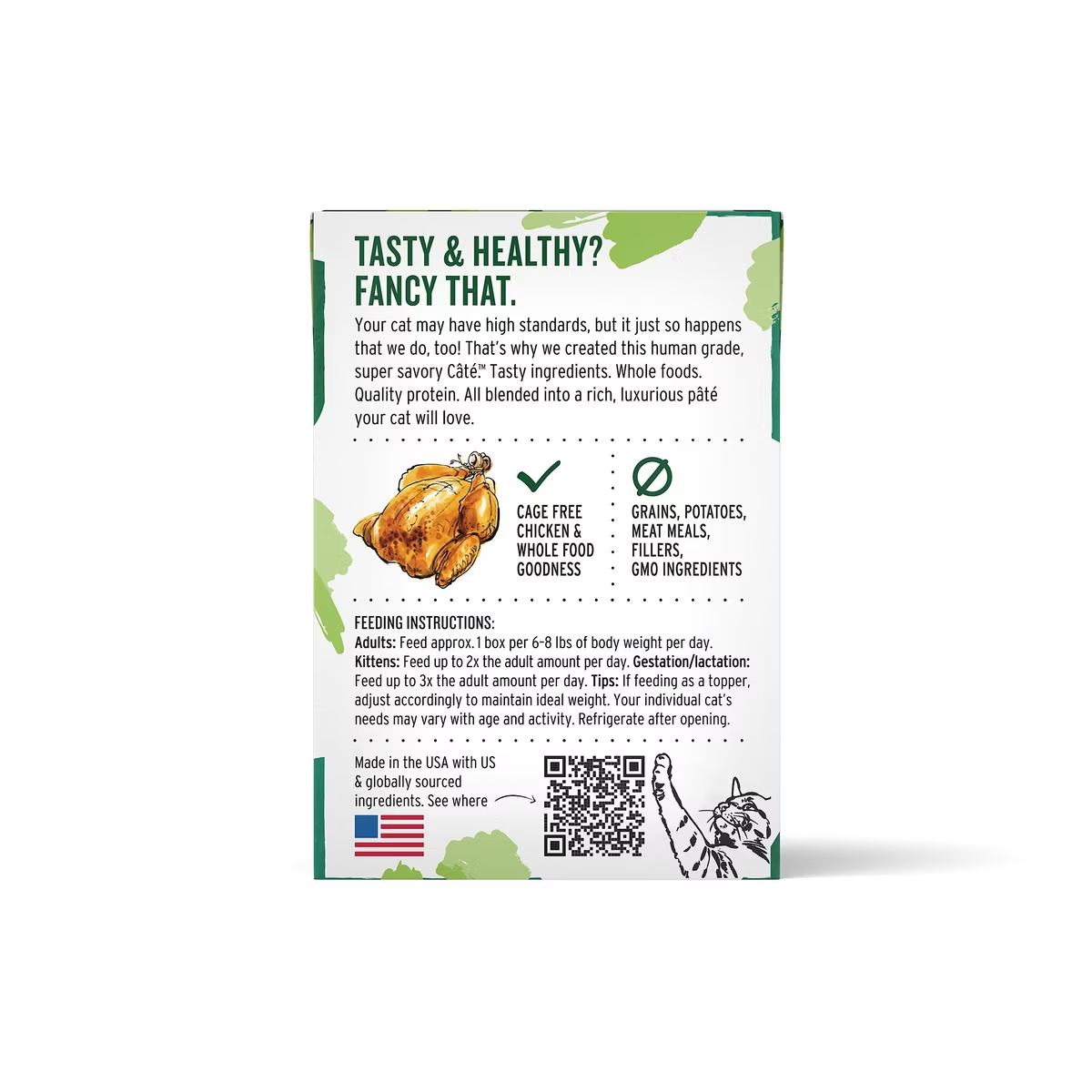
To understand why clean-label wet foods command such a premium price in the retail market, we have to look closely at feline nutritional biochemistry. Cats are obligate carnivores; their bodies are biologically hardwired to process energy from animal proteins and fats rather than plant-based carbohydrates.
                   [ Feline Biological Processing Paths ]
                                     |
       +-----------------------------+-----------------------------+
       |                             |                             |
 [ Clean Whole Proteins ]     [ Low-Tier Feed Grains ]      [ Toxic Fillers & BHA ]
 - Complete metabolic uptake   - Intestinal path friction    - Metabolic strain
 - Efficient cellular repair  - Immune baseline irritation  - Hepatic loading stress
 - Zero filler strain         - Allergen tracking flareups  - Allergic trigger cycles
The Human-Grade vs. Feed-Grade Distinction
The phrase "human-grade" isn't just marketing spin—it is a strict legal standard monitored by the Association of American Feed Control Officials (AAFCO) and the FDA. For a pet food to be certified as human-grade, 100% of its ingredients must be sourced from the human food supply chain, and the entire manufacturing process must occur in a facility certified to handle human food.
In contrast, standard feed-grade pet foods can legally include what the industry calls 4D meats (animals that arrived at the slaughterhouse Dead, Dying, Diseased, or Disabled). These low-grade base ingredients are stabilized with heavy artificial preservatives like BHA (butylated hydroxyanisole) and BHT, which are known to place metabolic stress on a feline's liver and kidneys. Clean-label formulas completely ban these feed-grade by-products, meat meals, and chemical stabilizers, using clear, intact animal proteins to minimize food allergies and systemic inflammation.
Deconstructing the Ingredient Deck
             [ The Honest Kitchen Functional Ingredient Array ]
                                     │
     +-------------------------------+-------------------------------+
     |                                                               |
 [ Core Meat Matrix ]                               [ Botanical Botanical Fortifiers ]
 - Cage-Free Chicken (Pure Muscle Tissue)           - Pumpkin & Carrots (Soluble Fiber & Viscous Control)
 - Chicken Liver (Bioavailable Vitamin A Hub)       - Blueberries & Cranberries (Anthocyanin Tissue Repair)
 - Chicken Broth (Pure Low-Osmolality Hydration)    - Dandelion Greens & Salmon Oil (Omega Lipids)
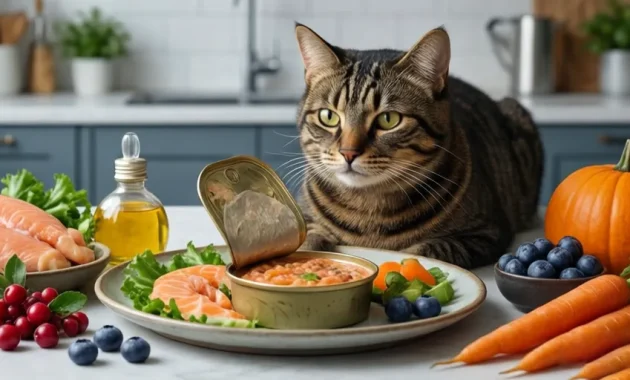
Evaluating the ingredient list of The Honest Kitchen Chicken Pâté reveals an intentional, scientifically backed layout designed to provide optimal canine and feline nutrition:
-
Cage-Free Chicken & Chicken Liver: These provide high-quality, easily digestible complete proteins. Chicken liver serves as a powerhouse of natural vitamins, delivering bioavailable Vitamin A, Iron, and essential B-vitamins directly to the body without relying on synthetic chemical additives.
-
Chicken Broth: Functions as a nutrient-dense hydration source. This fluid has low osmolality, which supports kidney health and helps prevent feline lower urinary tract diseases (FLUTD).
-
Pumpkin & Carrots: These clean ingredients supply natural soluble fibers. These fibers regulate digestion and ensure consistent stool quality without causing the blood sugar spikes associated with cheap grains like corn or wheat.
-
Blueberries & Cranberries: These berries are packed with natural anthocyanins and antioxidants. They neutralize systemic free radicals and help maintain healthy urinary tract chemistry by stopping harmful bacteria from sticking to bladder walls.
-
Dandelion Greens: Provide a rich, natural source of potassium and trace minerals while acting as a gentle digestive aid.
-
Agar-Agar: A clean, natural gelling agent derived from red algae. It replaces common binders like carrageenan, which has been linked to intestinal inflammation and digestive irritation in sensitive cats.
-
Salmon Oil: This high-value addition provides essential long-chain Omega-3 fatty acids (EPA/DHA). These healthy fats fight systemic inflammation, keep the skin barrier elastic, and give the fur a healthy, glossy shine.
Guaranteed Analysis and Dry-Matter Calculations
To properly compare a wet food's nutritional value to dry kibble, you must calculate its nutrient density on a Dry-Matter (DM) Basis by completely factoring out the water content.
                 [ Wet vs. Dry-Matter Matrix ]
                               │
     +-------------------------+-------------------------+
     |                                                   |
 [ As-Served Wet Metrics ]                 [ Dry-Matter Calculated Density ]
 - Crude Protein: 10.0% Min                - Dry-Matter Protein: 45.45%
 - Crude Fat:     6.5% Min                 - Dry-Matter Fat:     29.54%
 - Crude Moisture:78.0% Max                - Pure Dehydrated Structural Solid
Let's convert the guaranteed analysis from our case study:
When you remove the water content, this wet pâté reveals an incredibly high-protein, high-fat, and low-carbohydrate profile (45.45% protein, 29.54% fat). This distribution perfectly mimics the natural ancestral diet of a hunting carnivore, providing clean, steady metabolic energy without the excess starch that drives feline obesity and diabetes.
Comprehensive Life-Stage Feeding Architecture and Caloric Optimization
A premium diet is only effective if it is portioned correctly. Overfeeding leads to fat accumulation that places stress on internal organs, while underfeeding can drain a cat's lean muscle mass.
                    [ Life-Stage Feeding Directions ]
                                    |
      +-----------------------------+-----------------------------+
      |                             |                             |
[ Kitten Phase ]            [ Adult Maintenance ]         [ Gestation & Lactation ]
 - Double portion values      - Base target allocation      - Triple calculation scale
 - Accelerated cellular track - Structural balance index    - High metabolic demands
 - Up to 2x adult daily allowance - ~1 pack per 6-8 lbs     - Up to 3x adult daily allowance
The Adult Maintenance Baseline
For adult cats with standard daily activity levels, the caloric needs scale evenly with their lean body weight. This formula provides an energetic density of 1,100 kcal/kg (which breaks down to 171.5 kilocalories per 5.5-oz box).
Let's look at the daily caloric math across various adult weights:
-
6-lb Lean Adult Cat: Requires 1 complete box per day, delivering 171.5 kcal/day.
-
9-lb Maintenance Adult Cat: Requires 1.25 boxes per day, delivering 214.3 kcal/day.
-
12-lb Large Breed Adult Cat: Requires 1.5 boxes per day, delivering 257.2 kcal/day.
The Growth Phase (Kittens)
During the first twelve months of life, a kitten's body goes through rapid bone growth and muscle development. This accelerated metabolic rate requires significant energy reserves, requiring up to twice the standard adult portion size per pound of body weight daily.
This high caloric intake must be split across 3 to 4 smaller meals throughout the day to match a kitten's small stomach capacity and prevent digestive upset.
The Reproductive Phase (Gestation and Lactation)
Queen cats during gestation and lactation face the highest metabolic demands of any life stage. During peak lactation, nursing a litter can increase a mother's energy needs to three times the adult maintenance baseline.
During this time, food should be provided ad libitum (free choice), allowing the mother to eat continuously to maintain healthy milk production without burning through her own muscle reserves.
Supply Chain, Logistics, and Cross-Brand Competitor Mapping
Distributing high-moisture premium wet food requires a carefully optimized retail supply chain. Because these formulas are free of chemical preservatives, they rely on airtight packaging tech and temperature-controlled warehouses to guarantee a long shelf-life without sacrificing nutritional quality.
  [ Human-Grade Sourcing Hub ] ──> [ FDA Human Food Production Facility ]
                                                    │
                                                    ▼
  [ Rapid Home Delivery Platform ] <── [ Climate-Controlled Logistics Center ]
Packaging Engineering and Storage Dynamics
Instead of traditional cylindrical aluminum cans, modern premium brands frequently use rectangular aseptic cartons or boxes. This smart design offers several distinct advantages:
-
Space Efficiency: Rectangular boxes stack perfectly flush against each other, eliminating the dead air space found between round cans. This space efficiency allows distributors to pack more product onto every shipping pallet, maximizing truck space and significantly lowering fuel emissions across transportation networks.
-
Reduced Environmental Footprint: These lightweight cartons use less raw energy to manufacture and are easier to recycle than traditional metal cans, making them a preferred option for environmentally conscious consumers.
Strategic 5-Step Cross-Brand Competitor Matrix
To help you evaluate the premium wet food market, this matrix compares our case study against competing formulations across price, quality, and ingredients.
| Attribute | The Honest Kitchen Human Grade Pâté | Hill's Science Diet Variety Pack | Fancy Feast Classic Pâté |
| Retail Cost Basis | $0.59 per ounce | $0.61 per ounce | $0.14 per ounce |
| Manufacturing Grade | 100% Human-Grade Facility | Feed-Grade Standard | Feed-Grade Standard |
| Primary Protein Quality | Cage-Free Muscle & Organ Meats | Meat By-Products & Poultry Meals | Meat By-Products & Meat Derivatives |
| Thickening Matrix | Natural Agar-Agar | Guar Gum / Modified Starches | Carrageenan / Wheat Gluten |
| Grains & Artificial Fillers | 0% (Grain-Free, No Corn/Wheat/Soy) | Contains Grains & Brewer's Rice | Contains Corn Starch & Artificial Flavors |
The Step-by-Step Dietary Transition Protocol
A cat’s digestive system relies on a stable, delicate balance of specialized gut bacteria. A sudden change in diet can shock this internal ecosystem, leading to temporary digestive issues like diarrhea, vomiting, or food aversion.
To ensure a smooth transition, use a gradual 7-day schedule to slowly introduce the new clean-label wet food over one week:
Days 1-2:  [ 25% The Honest Kitchen Pâté ] + [ 75% Legacy Diet Formula ]
Days 3-4:  [ 50% The Honest Kitchen Pâté ] + [ 50% Legacy Diet Formula ]
Days 5-6:  [ 75% The Honest Kitchen Pâté ] + [ 25% Legacy Diet Formula ]
Day 7+:    [ 100% Total Clean-Label Human-Grade Pâté Nutrition ]
-
Days 1 & 2 (The Introduction Phase): Mix 25% of the human-grade pâté with 75% of your cat’s current food. This minor change allows the gut microbiome to gently adjust its digestive enzymes to the new whole proteins.
-
Days 3 & 4 (The Balancing Phase): Shift the ratio to a 50/50 even split. Make sure to serve the food at room temperature, as this releases the natural aromas of the bone broth gravy, making the new food much more enticing to picky eaters.
-
Days 5 & 6 (The Stabilization Phase): Increase the clean-label pâté to 75% of the meal, dropping the old food down to 25%. At this point, your cat’s digestive tract will be well-adjusted to the new nutrient profile.
-
Day 7 and Beyond (Complete Transition): Your cat is now fully transitioned to a 100% human-grade diet. Any opened boxes should be covered and kept in the refrigerator, and then warmed back up to room temperature before serving to protect palatability and ensure a positive mealtime experience.
FAQ: Human-Grade Wet Cat Food, Nutrition, Autoship Savings, and The Honest Kitchen Chicken Pâté
1. What makes human-grade cat food different from regular pet food?
Human-grade cat food is made using ingredients that are legally approved for human consumption and produced in facilities that meet human food manufacturing standards. Traditional pet food often uses feed-grade ingredients that follow different sourcing and processing regulations.
2. Is human-grade cat food worth the higher price?
For many pet owners, yes. Human-grade foods typically emphasize ingredient transparency, premium protein sources, minimal processing, and the exclusion of many artificial preservatives, fillers, and by-products commonly found in lower-cost alternatives.
3. What is The Honest Kitchen Human Grade Grain-Free Chicken Pâté?
It is a premium wet cat food formulated with cage-free chicken, chicken liver, chicken broth, salmon oil, fruits, vegetables, and other whole-food ingredients. The formula is designed to provide high-quality protein, moisture, and balanced nutrition for cats.
4. Why is moisture important in a cat's diet?
Cats naturally have a low thirst drive and historically obtained most of their hydration from prey. Wet food helps increase total water intake, supports kidney function, promotes urinary tract health, and contributes to healthier skin and coat condition.
5. How much moisture does this pâté contain?
The formula contains approximately 78% moisture, making it significantly more hydrating than traditional dry kibble, which typically contains around 8% to 12% moisture.
6. Why are chicken and chicken liver beneficial for cats?
Chicken provides highly digestible animal protein that supports muscle maintenance and tissue repair. Chicken liver supplies essential nutrients including vitamin A, iron, and B vitamins that support vision, immune function, and overall health.
7. What role does salmon oil play in the formula?
Salmon oil provides Omega-3 fatty acids, including EPA and DHA. These nutrients support skin health, coat quality, cognitive function, joint mobility, and healthy inflammatory responses.
8. Why does the recipe contain blueberries and cranberries?
Blueberries and cranberries contain antioxidants known as polyphenols and anthocyanins. These compounds help combat oxidative stress and support overall cellular health.
9. What is agar-agar and why is it used?
Agar-agar is a natural gelling agent derived from red algae. It helps create the pâté texture while avoiding some of the controversial thickening agents found in certain commercial pet foods.
10. Is this food grain-free?
Yes. The formula is grain-free and does not contain common grains such as corn, wheat, or soy.
11. Can grain-free food help cats with food sensitivities?
Some cats may benefit from grain-free diets if they have sensitivities to specific ingredients. However, ingredient quality and protein source selection are often more important than simply removing grains.
12. Is this food suitable for cats with skin issues?
Many cats with skin concerns benefit from diets rich in quality animal proteins, Omega-3 fatty acids, and adequate moisture. However, underlying medical conditions should always be evaluated by a veterinarian.
13. How much protein does this food provide on a dry matter basis?
After accounting for moisture content, the formula contains approximately 45.45% protein on a dry matter basis, making it a high-protein wet food option.
14. How much fat does this food provide on a dry matter basis?
The formula provides approximately 29.54% fat on a dry matter basis, supporting energy requirements and healthy skin function.
15. How many calories are in each 5.5-ounce carton?
Each 5.5-ounce carton contains approximately 171.5 kilocalories, making it easy to calculate daily feeding requirements.
16. How much should I feed an adult cat?
A common guideline is approximately one carton per 6 to 8 pounds of body weight daily, although actual needs vary depending on age, activity level, metabolism, and overall health.
17. Do kittens require more food than adult cats?
Yes. Kittens have significantly higher energy requirements because they are actively growing. They may require up to twice the amount of food per pound of body weight compared to adult cats.
18. What about pregnant or nursing cats?
Pregnant and lactating cats have much higher calorie demands. During peak nursing periods, energy needs may increase substantially, and many veterinarians recommend allowing free access to food.
19. What is Autoship?
Autoship is a subscription-based delivery service that automatically ships pet food and supplies on a recurring schedule. It helps ensure pets never run out of food while often providing additional discounts.
20. How much can Autoship save?
Savings vary by retailer. Many online pet retailers offer first-order discounts, ongoing subscription discounts, promotional credits, and free shipping incentives for Autoship customers.
21. Why do retailers offer large first-time discounts?
Pet food companies and retailers often view the initial order as a customer acquisition investment. Once a customer finds a food that works well for their pet, they are likely to remain loyal and continue ordering regularly.
22. Is buying in bulk more economical?
Usually yes. Purchasing larger quantities often lowers the cost per ounce and may reduce annual feeding expenses, particularly in multi-cat households.
23. How should unopened cartons be stored?
Store unopened cartons in a cool, dry location away from direct sunlight and excessive heat. Always follow the manufacturer's storage recommendations.
24. How should opened cartons be stored?
After opening, cover the remaining food and refrigerate it promptly. Serve refrigerated portions within the timeframe recommended by the manufacturer.
25. Should refrigerated wet food be served cold?
Many cats prefer food closer to room temperature. Allow refrigerated food to warm slightly before serving, but never leave it unrefrigerated for extended periods.
26. How do I transition my cat to a new food?
Use a gradual 7-day transition schedule:
- Days 1–2: 25% new food, 75% old food
- Days 3–4: 50% new food, 50% old food
- Days 5–6: 75% new food, 25% old food
- Day 7 onward: 100% new food
27. What signs indicate a successful food transition?
Positive indicators include:
- Normal stool consistency
- Good appetite
- Healthy energy levels
- Improved coat quality
- No vomiting or digestive upset
28. What should I do if my cat refuses the new food?
Try:
- Serving at room temperature
- Mixing with the current food more gradually
- Offering smaller portions
- Warming the food slightly to enhance aroma
- Consulting your veterinarian if refusal persists
29. Can premium wet food help support urinary health?
High-moisture diets generally support urinary tract health by increasing hydration and encouraging more dilute urine production.
30. What are the biggest benefits of premium human-grade wet food?
Key benefits include:
- High-quality animal protein
- Better ingredient transparency
- Increased hydration
- Reduced reliance on fillers
- Omega-3 support
- Improved palatability
- Potential support for skin, coat, digestive, and urinary health