As cat owners, we share a deep, quiet bond with our feline companions. We learn to read the subtle flick of their tails, the specific pitch of their morning meows, and the gentle rhythm of their purrs as they curl up in our laps. For years, this routine brings immense joy and comfort. But as the pages of the calendar turn and our cats cross the threshold into their senior years—typically around the age of seven to ten—the nature of our care must fundamentally shift.
Aging is an inevitable, natural process. Just like humans, senior cats experience a gradual decline in physiological reserve, a slowing metabolism, and an increased vulnerability to chronic illnesses. However, there is a profound diagnostic challenge unique to the feline world: cats are evolutionary masters at hiding their pain.
In the wild, a sick or injured cat is a prime target for larger predators and a liability to their social group. To survive, felines evolved a powerful survival instinct to mask any outward signs of physical weakness or vulnerability.
Tragically, this means that when a senior cat develops a chronic illness like kidney disease, diabetes, or arthritis, they will not cry out, whine, or limp until the underlying pathology has reached an advanced, sometimes irreversible stage.
THE EVOLUTIONARY SILENCE
[ Wild Instinct: Mask All Weakness ] ──► [ Domestic Reality: Cat Conceals Pain ]
                                                   │
                                                   ▼
                                      [ Fatal Delay in Vet Care ]
Many pet parents mistakenly believe that a sick cat will always show obvious, dramatic clinical signs like frequent vomiting, severe diarrhea, or a raging fever. While these acute symptoms certainly occur, the earliest, most reliable warning signs of a chronic medical issue in a senior cat are far more subtle. They are hidden within nuanced shifts in their daily behavioral patterns.
When your senior cat begins acting out of character, they aren’t just having an “off day” or displaying a new personality quirk. They are using the only language they have left to tell you that something is profoundly wrong inside their body.
This exhaustive, master-level guide explores the four critical behavioral changes that serve as early warning signs of illness in senior cats. We will examine the underlying medical pathologies driving these shifts, provide a comparative framework for diagnostic profiling, and outline the exact steps you must take to safeguard your aging companion’s health and longevity.
Abnormal Changes in Food and Water Consumption
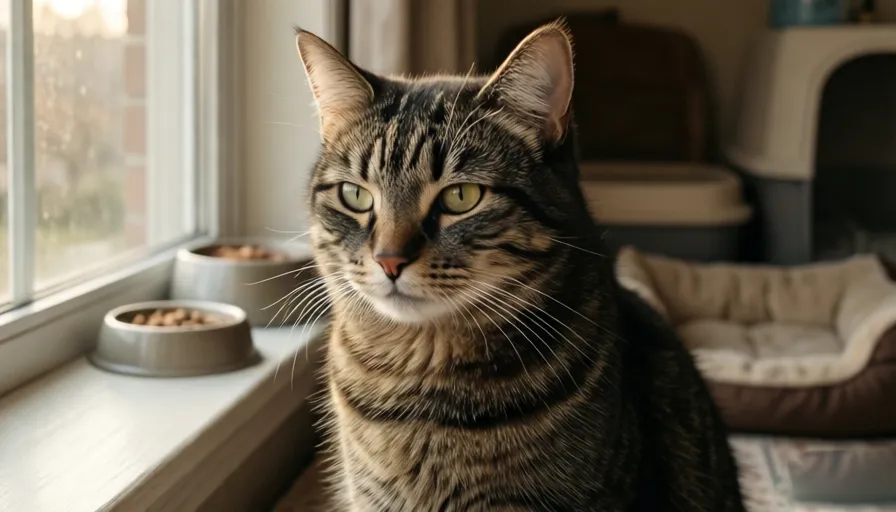
A cat’s appetite is a direct window into their metabolic health. For years, you have likely known exactly how much your cat eats, their favorite flavor of wet food, and how vocal they get when the dinner bowl is empty. When this established baseline suddenly shifts, it represents one of the most critical red flags in senior feline medicine.
         THE APPETITE METABOLIC BIFURCATION
                         │
     ┌───────────────────┴───────────────────┐
     ▼                                       ▼
[ ACUTE ANOREXIA / HYPOREXIA ]         [ HYPERPHAGIA / INSATIABLE HUNGER ]
 ├── Advanced Renal (Kidney) Failure    ├── Hyperthyroidism (Overactive Thyroid)
 ├── Severe Dental / Periodontal Pain   ├── Diabetes Mellitus (Insulin Failure)
 └── Inflammatory Bowel Disease (IBD)   └── Intestinal Malabsorption / Lymphoma
1. The Danger of the Empty Bowl: Anorexia and Hyporexia
When a senior cat stops eating entirely (anorexia) or significantly reduces their food intake (hyporexia), it is an immediate medical crisis. In senior felines, a persistent refusal to eat is frequently tied to three major systemic conditions:
-
Chronic Kidney Disease (CKD): As a cat’s kidneys age, their ability to filter metabolic waste products from the bloodstream gradually declines. When toxins like blood urea nitrogen (BUN) and creatinine build up in the body—a condition known as uremia—it causes severe, chronic nausea, stomach ulcerations, and a total loss of appetite.
-
Severe Dental and Periodontal Disease: Senior cats are highly prone to painful dental lesions, tooth resorptive disease, and severe gingivitis. If a cat walks up to the food bowl, looks at it longingly, but refuses to eat or drops dry kibble from their mouth, they are experiencing intense, sharp physical pain within the oral cavity.
-
Gastrointestinal Inflammation: Conditions like Inflammatory Bowel Disease (IBD) or low-grade intestinal lymphoma cause chronic low-grade nausea, abdominal cramping, and malabsorption, making food highly unappealing to the cat.
The 24-Hour Rule: If a senior cat goes completely without food for more than 24 hours, their body begins rapidly breaking down peripheral fat stores to generate energy. This flood of lipids can overwhelm the liver, leading to a secondary, life-threatening condition called Hepatic Lipidosis (Fatty Liver Disease). Never wait out a senior cat’s hunger strike.
2. The Illusion of Health: Hyperphagia (Insatiable Hunger)
Conversely, many pet owners are thrilled to see their older cat suddenly develop the appetite of a growing kitten, assuming that a robust appetite is a sign of youth and vitality. This is a dangerous misconception. In senior cats, a sudden, insatiable drive to eat large quantities of food—often accompanied by paradoxically rapid weight loss—is a classic indicator of severe metabolic disease:
-
Feline Hyperthyroidism: This condition is caused by a benign tumor on the thyroid gland, which floods the cat’s system with excessive amounts of thyroid hormones ($T_4$). This sends the cat’s basal metabolic rate into overdrive. The body burns calories at an unsustainable speed, forcing the cat to eat constantly while their body literally consumes its own muscle mass and fat stores to stay alive.
-
Diabetes Mellitus: When a cat’s pancreas fails to produce adequate insulin, or when their cells become entirely resistant to insulin, their body can no longer transport glucose from the bloodstream into the cells for energy. Even if the cat eats large amounts of food, their cells are effectively starving, sending constant, desperate hunger signals to the brain.
Excessive Sleep, Lethargy, and the Loss of Vital Energy
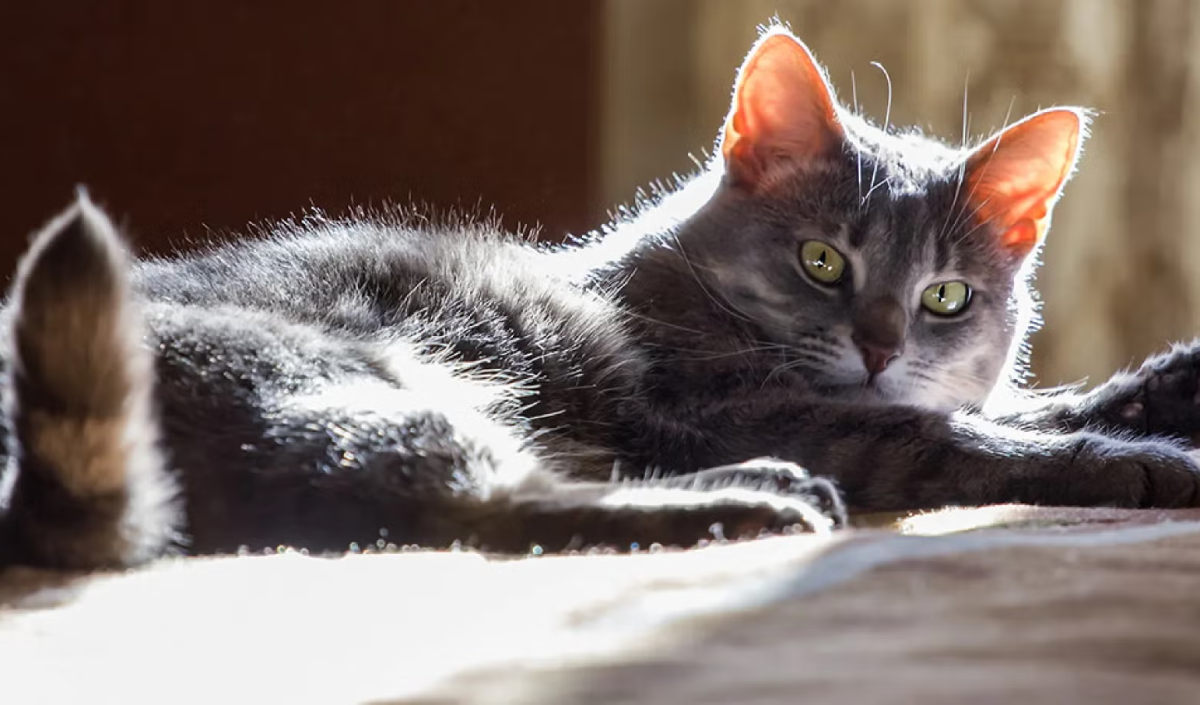
It is an indisputable fact of feline life that cats love to sleep. A healthy adult cat easily spends 12 to 16 hours a day resting, often chasing patches of sunlight across the living room rug. As they reach senior status, their pacing slows, their playtime shortens, and their sleep duration naturally creeps upward.
Because of this baseline behavior, many owners dismiss extreme lethargy as “just a normal part of getting old.” This assumptions can cause critical warning signs to be missed.
     DIFFERENTIATING NORMAL AGING FROM CLINICAL LETHARGY
┌──────────────────────────────────────┐    ┌──────────────────────────────────────┐
│            Normal Aging              │    │          Clinical Lethargy           │
├──────────────────────────────────────┤    ├──────────────────────────────────────┤
│ • Sleeps more, but remains alert.    │    │ • Stupor; difficult to rouse.        │
│ • Greets you when you come home.     │    │ • Ignores household dynamics.        │
│ • Maintains grooming habits.         │    │ • Neglects basic self-grooming.      │
│ • Moves slower, but handles jumps.   │    │ • Abandons high vertical spaces.     │
└──────────────────────────────────────┘    └──────────────────────────────────────┘
The Physiology of Hidden Lethargy
True clinical lethargy is not peaceful relaxation; it is a profound state of low energy caused by an underlying disease draining the body’s internal reserves. When an older cat is fighting off an internal infection, managing chronic inflammation, or suffering from reduced oxygen delivery due to a failing organ system, their body redirects every ounce of metabolic energy toward basic survival.
-
Osteoarthritis and Chronic Joint Pain: Studies show that over 90% of cats over the age of twelve suffer from radiographic evidence of arthritis. Because cats do not typically limp when they have arthritis in multiple joints, they show their pain by simply refusing to move. A cat who suddenly stops climbing onto the kitchen counter, avoids navigating staircases, and spends all day sleeping in a low-level bed is often choosing immobilization because movement causes intense joint pain.
-
Anemia and Cardiovascular Disease: Conditions like chronic kidney disease can suppress erythropoietin production (the hormone that tells the bone marrow to make red blood cells), leading to profound anemia. With fewer red blood cells available to carry oxygen to vital tissues and muscles, the cat becomes weak, tired, and completely exhausted by minor physical activities.
-
Systemic Organ Failure: Slowly progressing heart, liver, or kidney failure causes a steady accumulation of cellular waste products and fluid shifts within the body, making the cat feel profoundly fatigued and unwell.
Withdrawal, Social Regression, and Compulsive Hiding
Cats are often stereotyped as aloof, independent loners. However, anyone who shares their home with a feline companion knows this is a myth. Healthy indoor cats are deeply integrated into the daily flow of their households; they follow us into the kitchen, watch us work, and seek out social engagement on their own terms.
When a senior cat abruptly breaks their social patterns, withdraws from family interactions, and begins spending extended periods hiding in dark, isolated locations, it is a clear sign of distress.
┌────────────────────────────────────────────────────────────────────────┐
│                      THE EVOLUTIONARY DRIVERS OF HIDING                │
├────────────────────────────────────────────────────────────────────────┤
│  [ Internal Illness / Pain ]                                           │
│                │                                                       │
│                ▼                                                       │
│  [ Instinctive Feeling of Vulnerability ]                              │
│                │                                                       │
│                ▼                                                       │
│  [ Selection of Dark, Enclosed Spaces ]                                │
│    ├── Beneath low beds or furniture cavities                           │
│    ├── Deep inside closet floor spaces                                  │
│    └── Behind large laundry appliances                                  │
└────────────────────────────────────────────────────────────────────────┘
The Instinct to Hide Weakness
When a cat is in pain, sick, or disoriented, their natural instinct is to hide. In the wild, an ailing animal cannot defend themselves effectively. By tucking themselves away into a tight, dark, enclosed space—such as deep inside a closet, behind a washing machine, or under a low sofa—they are attempting to minimize their vulnerability to potential threats.
Hiding can be a behavioral response to almost any underlying illness, but in senior cats, it is particularly linked to three specific areas:
1. Feline Cognitive Dysfunction (FCD)
Often referred to as feline dementia, FCD is a neurodegenerative disorder that closely mirrors Alzheimer’s disease in humans. As the senior brain experiences beta-amyloid plaque accumulation and a loss of neural pathways, the cat becomes deeply disoriented.
They may get “stuck” behind doors, forget the location of their litter box or food bowl, and experience terrifying episodes of confusion. To cope with this internal chaos, many cats withdraw entirely from their owners and retreat into permanent hiding spaces.
2. Systemic Hypertension (High Blood Pressure)
Commonly secondary to kidney disease or hyperthyroidism, high blood pressure is a silent killer in senior felines. Severe hypertension causes intense, throbbing headaches and can lead to sudden retinal detachment, causing partial or complete blindness. A cat who is suddenly thrust into darkness or experiencing intense cranial pressure will hide out of sheer terror and disorientation.
3. Chronic, Low-Grade Pain
Whether it is a dull, aching abdominal pain from pancreatitis or a throbbing discomfort from a urinary tract infection, constant physical pain alters a cat’s emotional state, driving them to isolate themselves away from human touch and interaction.
Grooming Deviations — The Tale of Over-Grooming vs. Under-Grooming
A cat’s coat is a direct reflection of their internal health and well-being. Healthy adult felines are meticulously clean animals, spending up to 30% to 50% of their waking hours engaged in self-grooming. Using their specialized, barbed tongues, they remove loose hair, clean away external debris, and distribute natural skin oils across their fur coat.
When a senior cat develops an underlying medical condition, this lifelong habit is often disrupted in one of two opposite directions: a total cessation of grooming (under-grooming) or a frantic, localized obsession with grooming (over-grooming).
                 THE GROOMING DISRUPTION LENS
                              │
     ┌────────────────────────┴────────────────────────┐
     ▼                                                 ▼
[ RESIGNATION: UNDER-GROOMING ]          [ FIXATION: OVER-GROOMING ]
 ├── Spinal / Spinal Osteoarthritis       ├── Flea / Mite / Parasite Attacks
 ├── Advanced Dehydration / CKD           ├── Localized Neurological Pain
 └── Severe Dental Breakdown              └── Feline Hyperesthesia Syndrome
1. Under-Grooming: The Unkempt, Matted Coat
If your senior cat’s coat begins looking greasy, clumped, unkempt, or heavily matted along their spine and hindquarters, their self-care habits have broken down. In older cats, this failure to groom is usually driven by physical limitations:
-
Spinal and Hip Arthritis: Self-grooming requires incredible flexibility. A cat must twist their spine, bend their hips, and balance on three legs to clean their hindquarters and lower back. If a senior cat is suffering from severe arthritis along their vertebrae or hips, the complex bending required to groom becomes too painful, leading them to give up on maintaining their coat.
-
Oral Pain: If a cat is suffering from severe periodontal disease, stomatitis, or an abscessed tooth, using their tongue and mouth to groom their fur causes sharp spikes of pain, forcing them to abandon the practice entirely.
-
Systemic Illness and Dehydration: Chronic illnesses like kidney failure cause dehydration, which robs the skin of elasticity and makes the fur coat look dry, brittle, and heavily laden with dander or dandruff.
2. Over-Grooming: Psychogenic Alopecia and Localized Pain Fixation
On the other end of the spectrum, some senior cats develop an intense, compulsive obsession with grooming a specific area of their body, licking and chewing until the fur is completely gone and the skin beneath is raw, bleeding, or infected.
-
Targeted Pain Relief: Cats will often aggressively lick the skin directly over an area of internal pain. For example, a senior cat suffering from chronic urinary tract inflammation, bladder stones, or feline lower urinary tract disease (FLUTD) will often lick their lower belly and groin area until it is completely hairless. Similarly, a cat with severe arthritis in their hocks or wrists will lick those specific joints continuously in a desperate attempt to soothe the internal ache.
-
Allergies and External Parasites: Sudden over-grooming can be a reaction to food allergies, environmental allergies, or an infestation of external parasites like fleas, cheyletiella mites, or ear mites, which can be particularly hard on a senior cat’s weaker immune system.
-
Stress and Anxiety: Environmental changes—such as a new pet in the home, moving to a new house, or the loss of a companion—can cause profound stress in senior cats. They may turn to compulsive self-grooming as a self-soothing mechanism, releasing endorphins to help calm their anxiety.
Comprehensive Cross-Reference Diagnostic Matrix
To help you monitor your senior cat’s health, this comprehensive cross-reference table connects common behavioral shifts with their potential medical causes and the standard diagnostic tests your veterinarian may run.
Step-by-Step Security Protocol Home Health Monitoring Framework
You do not need a veterinary degree to accurately evaluate your senior cat’s health. By implementing a consistent, structured home monitoring routine, you can catch subtle behavioral and physical changes early, allowing for timely veterinary intervention before a medical issue becomes a critical emergency.
Step 1: Establish a Weekly Body Weight Tracker
Weight loss is often the single earliest indicator of chronic disease in senior cats, yet because we see our pets every day, gradual muscle and fat loss can be incredibly difficult to spot visually until it becomes advanced.
Step 2: Implement a Food and Water Intake Audit
Tracking exactly how much your cat eats and drinks helps you spot changes in appetite or hydration early on.
-
Measure Out Precise Food Portions: Avoid free-feeding dry kibble from a massive, unmeasured dispenser. Use a digital kitchen scale or a precise measuring scoop to serve exact portions of food every day.
-
Monitor the Water Level: Fill your cat’s water bowls to a specific, measurable line each morning. When you refresh the water the next day, note how much has been consumed.
-
Watch for Hidden Excess: If you find yourself refilling the water bowl significantly more often than usual, or if you notice your cat drinking directly from faucets or water features they used to ignore, they may be experiencing increased thirst secondary to kidney failure or diabetes.
Step 3: Conduct a Weekly “Head-to-Tail” Physical Assessment
Every weekend, pick a quiet moment when your senior cat is relaxed to gently check their body for physical changes:
       WEEKLY PHYSICAL ASSESSMENT CHECKLIST
                                │
     ┌──────────────────────────┼──────────────────────────┐
     ▼                          ▼                          ▼
[ THE ORAL CAVITY ]       [ THE FUR COAT ]         [ THE BODY OUTLINE ]
 ├── Red, bleeding gums    ├── Greasy mats on spine ├── Lumps under the skin
 ├── Broken / loose teeth  ├── Flaky skin / dander  ├── Muscle loss on spine
 └── Sour, foul breath     └── Raw, bald patches    └── Swollen, warm joints
-
Inspect the Mouth: Gently lift your cat’s lips. Look for red, swollen, or bleeding gums, tartar buildup on the teeth, or an unusually foul, sour breath odor.
-
Evaluate the Coat: Part the fur along the spine and hips. Check for hidden mats, heavy dander, or raw skin where your cat may be over-grooming.
-
Palpate the Body: Gently run your hands down your cat’s back, sides, and legs. Note if they flinch, twitch their skin, hiss, or pull away when you touch specific areas, especially around their lower back, hips, and joints. Feel along their spine—if the vertebrae feel sharp and bony, your cat may be losing vital muscle mass.
Step 4: Perform a Weekly Litter Box Audit
The contents of your cat’s litter box provide invaluable clues about their internal health. Monitor these metrics every time you scoop:
-
Urine Clump Size: If you use clumping litter, watch for a sudden increase in the size or number of urine clumps. Large, heavy clumps indicate increased urination (polyuria), a hallmark sign of diabetes, hyperthyroidism, and kidney disease.
-
Stool Consistency: Healthy cat stool should be firm, dark brown, and well-formed. Watch out for small, hard, dry pebbles (which point to chronic dehydration or constipation) as well as soft, unformed, or blood-streaked stools.
Preventive Care Strategies Creating a Supportive Environment for Aging Cats
While diagnosing and treating chronic illnesses requires expert veterinary care, you can make a profound difference in your senior cat’s quality of life by making subtle adjustments to their home environment. These proactive steps help reduce physical stress and accommodate their changing needs:
1. Optimize Litter Box Accessibility
As arthritis sets in, climbing over the high walls of a standard litter box can become an agonizing chore for an older cat.
-
Switch to Low-Entry Boxes: Provide at least one large litter box with a heavily cut-down, low-entry front lip (no higher than 2 to 3 inches) so your cat can step inside easily without jumping or straining their sore hips.
-
Distribute Boxes Across Levels: If your home has multiple stories, place a litter box on every single floor. An arthritic or cognitively compromised cat should never have to navigate a steep flight of stairs just to use the bathroom.
TRADITIONAL HIGH-WALL LITTER BOX (Painful for Arthritic Hips)
┌──────────────────────────────┐
│                              │  ◄── High 6-8 inch step
└──────────────────────────────┘

SENIOR-OPTIMIZED LOW-ENTRY BOX (Easy Access)
┌──────────┐        ┌──────────┐
│          └────────┘          │  ◄── Low 2-inch step entry
└──────────────────────────────┘
2. Implement Vertical Access Ramps and Steps
Senior cats still retain their emotional desire to seek out elevated vantage points, but their aging joints may no longer tolerate high jumps.
-
Add Pet Stairs or Ramps: Place stable pet stairs, foam steps, or carpeted ramps next to their favorite high spots, such as your bed, the living room sofa, or low window sills. This allows them to walk up safely rather than jarring their joints with heavy jumps.
-
Provide Thick, Supportive Bedding: Replace thin blankets with supportive, orthopedic memory foam pet beds. Placing these beds in warm areas or using safe, low-voltage heated pet mats can provide immense relief to stiff, aching arthritic joints.
3. Schedule Proactive, Routine Senior Veterinary Screenings
Do not wait for your senior cat to show outward signs of behavioral distress before booking an appointment. Once your cat crosses into their senior years, their health baseline should be managed through proactive prevention:
-
Bi-Annual Examinations: Senior cats should see their veterinarian at least once every six months. Because cats age much faster than humans, a routine exam twice a year helps catch developing conditions early on.
-
Comprehensive Geriatric Blood Panels: Ensure your vet runs a complete baseline blood profile annually, including a Complete Blood Count (CBC), a full chemistry panel with an SDMA biomarker (which catches early-stage kidney decline long before traditional creatinine testing), and a total thyroid ($T_4$) hormone assay.
Conclusion: Becoming Your Senior Cat’s Health Advocate
The golden years of a cat’s life can be an incredibly rich, comforting, and deeply bonding time for you and your companion. However, ensuring their comfort during this life stage requires us to look past our historical assumptions and pay close attention to their changing behaviors.
Your senior cat isn’t just “slowing down” because they are getting older. When they refuse their favorite food, spend their days tucked away in a dark closet, sleep in a state of unrousable lethargy, or neglect their beautiful fur coat, they are signaling an underlying medical issue that needs your help.
By learning the quiet language of feline aging, implementing consistent home health monitoring protocols, and collaborating closely with your veterinarian for proactive senior care, you can uncover hidden health issues early on.
In doing so, you protect your feline companion from silent pain, manage chronic conditions effectively, and ensure that their remaining years are filled with comfort, dignity, and love.
Would you like to explore tips on how to safely transition your senior cat to a specialized senior or prescription diet without triggering stomach upset?
FAQ
1. What age is considered “senior” for a cat?
Most veterinarians consider cats to enter their senior years between 7 and 10 years old. Cats over 11 years old are generally classified as geriatric and require closer health monitoring.
2. Why do senior cats hide their illnesses so well?
Cats evolved as both predators and prey in the wild. Showing weakness could make them vulnerable to predators, so they instinctively hide pain and discomfort, even when seriously ill.
3. Is it normal for older cats to sleep more?
Yes, senior cats naturally sleep more than younger cats. However, excessive lethargy, difficulty waking up, weakness, or complete loss of interest in surroundings may indicate an underlying medical condition.
4. Why is my senior cat suddenly eating more but losing weight?
This combination is often linked to hyperthyroidism or diabetes mellitus. Both conditions increase hunger while causing the body to lose muscle and fat rapidly.
5. Should I worry if my senior cat stops eating?
Absolutely. A senior cat that refuses food for more than 24 hours is at risk of developing hepatic lipidosis (fatty liver disease), which can become life-threatening very quickly.
6. Why is my older cat drinking so much water?
Excessive thirst in senior cats is commonly associated with chronic kidney disease, diabetes, or hyperthyroidism. Increased water intake should always be evaluated by a veterinarian.
7. What causes excessive grooming in senior cats?
Over-grooming can result from allergies, arthritis pain, urinary tract disease, stress, parasites, or neurological discomfort. Cats often lick painful areas repeatedly as a coping mechanism.
8. Why has my senior cat stopped grooming?
Under-grooming is frequently caused by arthritis, obesity, dental pain, or chronic illness. Grooming may become physically painful or exhausting for aging cats.
9. How can I tell if my senior cat has arthritis?
Common signs include reluctance to jump, difficulty climbing stairs, sleeping more, stiffness after resting, irritability when touched, and avoiding high surfaces they previously enjoyed.
10. What is feline cognitive dysfunction?
Feline Cognitive Dysfunction (FCD) is a dementia-like condition in older cats that affects memory, awareness, sleep patterns, and behavior. Symptoms include confusion, nighttime vocalization, disorientation, and hiding.
11. How often should senior cats visit the veterinarian?
Senior cats should ideally receive veterinary checkups every six months. Routine bloodwork and urine testing help detect chronic diseases before symptoms become severe.
12. What tests are commonly recommended for senior cats?
Veterinarians often recommend:
- Complete Blood Count (CBC)
- Blood chemistry panel
- SDMA kidney screening
- Thyroid hormone ($T_4$) testing
- Urinalysis
- Blood pressure monitoring
13. Why is my senior cat suddenly hiding all the time?
Hiding is often a sign of pain, fear, illness, cognitive decline, or stress. Senior cats frequently isolate themselves when they feel physically vulnerable.
14. Can behavioral changes really indicate illness?
Yes. Changes in appetite, grooming, sleep habits, litter box behavior, or social interaction are often the earliest warning signs of chronic disease in cats.
15. How can I monitor my senior cat’s health at home?
You can:
- Track body weight weekly
- Measure food and water intake
- Monitor litter box habits
- Check grooming quality
- Watch for behavioral changes
- Perform gentle weekly physical inspections
16. What is the most common disease in older cats?
Chronic Kidney Disease (CKD) is one of the most common illnesses affecting senior cats, especially cats over 10 years old.
17. Are senior cats more sensitive to stress?
Yes. Aging cats often become less adaptable to environmental changes, making them more vulnerable to anxiety and stress-related illnesses.
18. How can I make my home safer for a senior cat?
Helpful adjustments include:
- Low-entry litter boxes
- Pet stairs or ramps
- Orthopedic bedding
- Easy access to food and water
- Quiet resting spaces
- Non-slip flooring
19. When should I seek emergency veterinary care?
Seek immediate veterinary attention if your senior cat:
- Stops eating completely
- Has trouble breathing
- Cannot stand or walk properly
- Experiences seizures
- Cries out in pain
- Suddenly becomes blind
- Shows severe weakness or collapse
20. Can senior cats still live happy, healthy lives?
Absolutely. With early detection, regular veterinary care, proper nutrition, pain management, and a supportive home environment, many senior cats enjoy long, comfortable, and loving lives.