The Science of Feline Appetite: Why Your Cat is a Finicky Eater and How to Fix It
3 months ago · Updated 3 months ago
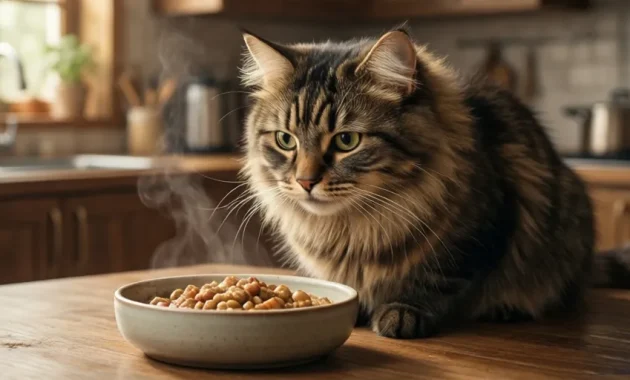
Every PetLover has been there: you buy the most expensive, organic, veterinarian-recommended canned food, only for your cat to give it a single sniff and walk away with an air of profound disappointment. It’s a frustrating dance that often leads owners to believe their cats are simply "divas."
However, in 2026, feline nutritional science has revealed that "picky eating" isn't about being spoiled—it's about biology. To turn your finicky feline into a happy diner, you need to understand the three pillars of the cat palate: Aroma, Temperature, and Texture.
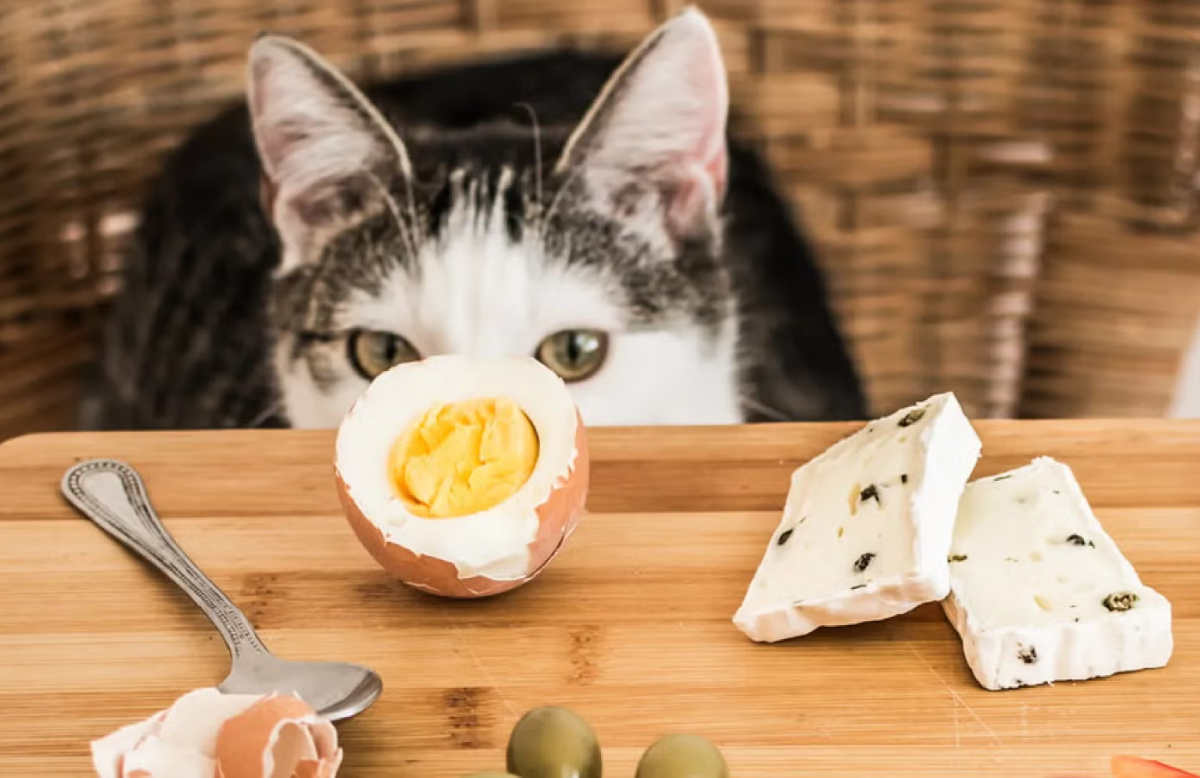
The Power of the Nose: 65 Million Reasons to Sniff
While humans navigate the world primarily through sight, cats navigate through scent. A cat’s sense of smell is roughly five times stronger than ours. While we make do with about 15 million olfactory receptors, a cat possesses over 65 million.
The "Safe to Eat" Test
Before a cat ever tastes their food, they are performing a chemical analysis. If the aroma doesn't meet their biological requirements for protein (minimum 26%) and fats (minimum 9%), their brain signals that the food might be spoiled or nutritionally void.
-
Pro-Tip: If your cat is losing interest, look for foods with high-quality animal fats. These fats don't just provide energy; they carry the aromatic signals that trigger a cat's "prey drive" at the dinner bowl.
Temperature: Mimicking the Natural Hunt
In the wild, a cat’s meal is fresh and warm. Evolution has hardwired domestic cats to prefer food that mimics the body temperature of their natural prey—roughly 38°C to 39°C.
The Fridge Factor
Serving wet food straight from the refrigerator is one of the most common mistakes PetLovers make. Cold food suppresses the aroma and feels "unnatural" to a cat's sensitive tongue.
-
The Solution: Never microwave cat food, as this creates dangerous hot spots and destroys delicate nutrients like taurine. Instead, stir in a tablespoon of warm water. This enhances the smell and brings the meal to a comfortable, life-like temperature.
Whisker Fatigue: The Hidden Stressor
Sometimes, the problem isn't the food; it's the furniture. A cat’s whiskers (vibrissae) are incredibly sensitive sensory organs. If their food bowl is too deep or narrow, their whiskers constantly rub against the sides during every bite.
This causes "Whisker Fatigue," a state of sensory overload that makes eating physically uncomfortable.
-
The Fix: Switch to a wide, shallow oval-shaped bowl. This allows your cat to eat without their whiskers touching the edges, turning mealtime back into a relaxing experience.
Why Do Cats Eat Grass?
It’s a sight that confuses many owners: a cat skipping their gourmet meal to munch on backyard grass. While cats are "obligate carnivores," they occasionally seek out fiber.
Grass acts as a natural laxative, helping them pass hairballs or indigestible bits of food. However, backyard grass can be treated with pesticides or carry parasite eggs.
-
A Better Way: Look for high-quality kibble or wet food with a 3% fiber content. This satisfies their biological urge for roughage without the risks associated with the Great Outdoors.
Managing the "Rewel" (Fussy) Cat
If you have a "rewel" cat—one who has a sensitive stomach and a picky palate—consistency is key. Sudden changes in brand or flavor can cause digestive upset.
Specialized formulas, such as Pro Plan Adult Delicate, are engineered specifically for high palatability. These formulas prioritize the specific amino acid profiles that cats find most "delicious," ensuring that even the most stubborn eaters get the nutrition they need to thrive.
Final Thoughts for PetLovers
Understanding your cat isn't about guessing; it's about respecting their predatory heritage. By warming their food, using shallow bowls, and prioritizing high-protein aromas, you aren't just feeding a pet—kamu sedang merawat naluri alaminya (you are nurturing their natural instincts).
Are you ready to upgrade your cat’s dining experience? Start by ditching the deep bowls today!
FAQ – Understanding Your Cat’s Eating Habits
1. Why is my cat so picky with food?
Cats are biologically programmed to judge food based on aroma, temperature, and texture rather than appearance.
2. Why do cats sniff food before eating?
A cat uses its powerful sense of smell to determine whether food is fresh, nutritious, and safe to eat.
3. How strong is a cat’s sense of smell?
Cats have over 65 million olfactory receptors, making their sense of smell far stronger than that of humans.
4. Why does my cat refuse expensive food?
Price does not always equal palatability. Cats prioritize scent, fat content, protein quality, and texture over branding.
5. What nutrients make cat food more appealing?
High-quality animal protein and healthy fats are the main drivers of feline food aroma and taste appeal.
6. What protein level should cat food contain?
Adult cats generally require a minimum of 26% protein according to nutritional guidelines.
7. How much fat should cat food contain?
Healthy adult cat food should typically contain at least 9% fat.
8. Why do cats prefer warm food?
Warm food mimics the temperature of natural prey, making it smell and taste more appealing.
9. What temperature should cat food be served at?
Cats usually prefer food close to body temperature, around 38–39°C (100–102°F).
10. Why won’t my cat eat cold wet food?
Cold food suppresses aroma, making it less attractive to your cat’s scent-driven appetite.
Cat Feeding & Food Preparation FAQ
11. Can I microwave cat food?
Microwaving is not recommended because it may create dangerous hot spots and damage nutrients.
12. How can I safely warm cat food?
You can mix in a small amount of warm water or allow refrigerated food to reach room temperature naturally.
13. What is whisker fatigue?
Whisker fatigue occurs when a cat’s sensitive whiskers repeatedly touch the sides of deep or narrow bowls, causing stress or discomfort.
14. How do I prevent whisker fatigue?
Use wide, shallow bowls made from ceramic or stainless steel.
15. Why does my cat eat better from a plate?
Flat plates reduce whisker contact and may feel more comfortable for sensitive cats.
16. Why do cats stop eating suddenly?
Possible causes include:
- Stress
- Dental pain
- Digestive problems
- Illness
- Food spoilage
- Environmental changes
17. When should I worry about appetite loss?
If your cat refuses food for more than 24–48 hours, contact a veterinarian immediately.
18. Why is appetite loss dangerous for cats?
Cats can develop serious liver complications if they stop eating for extended periods.
19. What are signs my cat dislikes their food?
Common signs include:
- Sniffing and walking away
- Pawing near the bowl
- Eating very little
- Only licking gravy or sauce
20. Does bowl cleanliness matter?
Yes. Cats are extremely sensitive to odors from old food residue or strong cleaning products.
Grass Eating & Digestive Health FAQ
21. Why do cats eat grass?
Grass may help cats pass hairballs and support digestion through added fiber.
22. Is it safe for cats to eat outdoor grass?
Outdoor grass can contain pesticides, parasites, or harmful chemicals.
23. What is a safer alternative to outdoor grass?
Indoor cat grass or balanced foods containing safe fiber sources are safer options.
24. How much fiber should cat food contain?
Around 3% fiber is often considered beneficial for digestion and hairball management.
25. What is a sensitive stomach cat food?
Sensitive stomach formulas are designed for easier digestion and improved palatability.
26. Why are some cats sensitive to food changes?
Cats have delicate digestive systems and may react poorly to sudden ingredient or flavor changes.
27. How should I switch cat food brands?
Transition gradually over several days by mixing old and new food together.
28. What makes a food highly palatable for cats?
Foods rich in animal-based amino acids, fats, and strong natural aromas are generally more appealing.
29. Can stress affect my cat’s appetite?
Yes. Loud environments, new pets, moving homes, or anxiety can reduce appetite.
30. What is the best feeding environment for cats?
Cats prefer:
- Quiet locations
- Clean bowls
- Safe surroundings
- Consistent feeding schedules