The Ultimate 2026 Guide to Feline Infancy: Nutrition, Care, and the Science of FELIX Kitten Wet Food
3 months ago · Updated 3 months ago

Welcoming a kitten into your home is more than just an addition of cuteness; it is a profound biological responsibility. The first year of a cat's life is a whirlwind of physiological changes. From the rapid firing of neural pathways to the solidification of skeletal structures, every gram of food they consume acts as a building block for their future health.
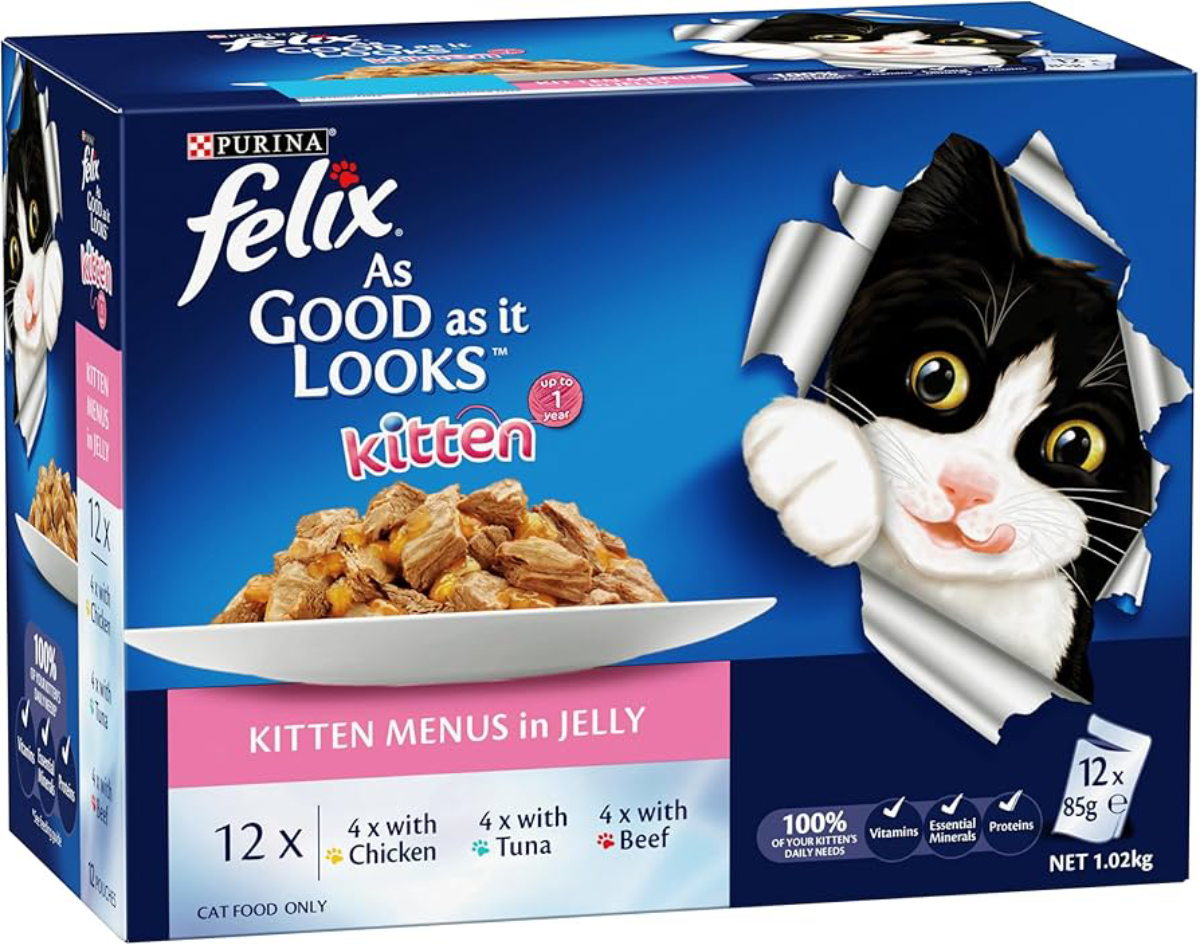
In 2026, pet guardianship has moved toward "Precise Nutrition." We no longer just "feed" cats; we fuel their specific life stages. FELIX Kitten Wet Food (Chicken Flavor) has emerged as a cornerstone in this journey. This article dives deep into why this specific formula—often praised for its "homemade" appeal—is scientifically calibrated for the chaotic, high-energy world of a growing kitten.
The Biology of a Growing Hunter: Why Kitten Nutrition Differs
Kittens are not just "small cats." Their metabolic rate is nearly double that of an adult. They require higher concentrations of energy and specific minerals to support a body that is essentially a construction site.
A kitten’s stomach is roughly the size of a walnut. This physical limitation means they cannot process large volumes of food at once. Therefore, their diet must be nutrient-dense. FELIX Kitten addresses this by providing 90 kcal per 100g, ensuring that even small portions provide the caloric punch needed for their "zoomies" and rapid growth spurts.
Decoding FELIX Kitten: An Ingredient-by-Ingredient Analysis
As a conscious guardian, you must look past the colorful packaging. Let’s look at what is actually inside an 85g pouch of FELIX Kitten Chicken:
The Protein Sources: Chicken Frame & Beef Liver
The use of Chicken Frame and Poultry Products ensures a rich source of glucosamine and calcium, essential for bone development. Beef Liver is nature’s multivitamin, providing a highly bioavailable source of Vitamin A and Iron.
The Amino Acid Complex
Cats are obligate carnivores, meaning they cannot synthesize certain amino acids like Taurine on their own. FELIX includes a dedicated amino acid profile to ensure heart health and sharp vision—critical during the months when a kitten is learning to hunt and play.
Fish Oil & Omega-6
Often overlooked, the inclusion of Fish Oil provides DHA, which is scientifically proven to enhance brain development in kittens, making them more trainable and responsive to their environment.
The "As Good As It Looks" Philosophy: Texture and Palatability
One of the biggest hurdles for new kitten owners is "finicky eating." If a kitten doesn't like the texture of their food during the weaning phase, they may become difficult eaters for life.
FELIX’s "As Good As It Looks" range uses a proprietary technique to create tender meaty pieces in jelly. This isn't just for aesthetics. The jelly mimics the moisture found in natural prey, while the soft texture is easy on deciduous (baby) teeth that are still transitioning to adult teeth around the 4-to-6-month mark.
Macronutrient Breakdown: Why 13% Protein is the Sweet Spot
In the world of wet food, numbers can be confusing. FELIX Kitten boasts a 13% Protein level on an "as-fed" basis. When you account for the 82% moisture content, the dry matter protein content is significantly higher, aligning perfectly with the high-protein requirements of the feline species.
The Fat Content (3.4%) provides the concentrated energy source kittens need to maintain their body temperature and fuel their high activity levels without causing excessive weight gain, provided the feeding guidelines are followed.
The Role of Omega-6 and Vitamins D & E
-
Vitamin D: Essential for regulating calcium and phosphorus. Without it, a kitten could develop rickets or weak bone structures.
-
Vitamin E: A powerful antioxidant that supports the developing immune system—especially during the "immunity gap" when maternal antibodies from the mother's milk begin to fade.
-
Omega-6: This fatty acid ensures that the kitten's first adult coat grows in shiny, thick, and healthy, acting as the first line of defense against skin irritations.
Hydration Mastery: The Jelly Secret
Domestic cats have a low thirst drive. In the wild, they get most of their water from prey. FELIX Kitten, with 82% moisture, ensures that your kitten stays hydrated even if they aren't frequent visitors to the water bowl. This is a vital preventive measure against urinary tract issues that can plague cats later in life.
Feeding Guide: Navigating the 1-12 Month Transition
Based on the 2026 Purina Pet Club recommendations, here is the roadmap for an 85g pouch of FELIX Kitten:
| Age (Months) | Pouches Per Day | Note |
| 1 - 4 Months | 2 - 3.5 | Divide into 3-4 small meals to suit small stomachs. |
| 4 - 6 Months | 3.5 - 4 | Peak growth phase; do not skip meals. |
| 6 - 12 Months | 4 - 2 | Tapering off as metabolism stabilizes toward adulthood. |
FAQ
1. Why do kittens need different food than adult cats?
Kittens grow extremely fast and require higher levels of protein, calories, vitamins, and minerals to support bone development, brain growth, and immune health.
2. What makes FELIX Kitten Wet Food suitable for kittens?
FELIX Kitten Wet Food is formulated with balanced protein, essential amino acids like taurine, fish oil, vitamins, and minerals specifically designed for growing kittens.
3. Why is protein so important for kittens?
Protein supports muscle growth, organ development, energy production, and healthy immune function during the rapid growth stage.
4. What is taurine and why do kittens need it?
Taurine is an essential amino acid that supports heart health, brain development, and vision. Cats cannot produce enough taurine naturally.
5. Does FELIX Kitten contain omega fatty acids?
Yes. Fish oil and Omega-6 fatty acids help support brain function, skin health, and a shiny coat.
6. Why is wet food beneficial for kittens?
Wet food contains high moisture levels that help maintain hydration and support urinary tract health.
7. How much moisture does FELIX Kitten Wet Food contain?
The formula contains approximately 82% moisture, helping kittens stay hydrated naturally.
8. What is the “As Good As It Looks” texture?
It refers to tender meaty chunks in jelly designed to improve palatability and make eating easier for kittens.
9. Why is texture important for kittens?
Young kittens are still developing teeth and chewing ability. Soft textures are easier to eat and encourage healthy feeding habits.
10. How many times a day should kittens eat?
Kittens should eat multiple small meals daily because their stomachs are very small but their energy demands are high.
11. How much FELIX Kitten food should a 1–4 month kitten eat?
Typically around 2 to 3.5 pouches per day divided into several small meals.
12. Why do kittens have such high energy needs?
Their metabolism is nearly twice as fast as an adult cat’s because their body is constantly growing and developing.
13. Is chicken a good protein source for kittens?
Yes. Chicken provides highly digestible animal protein necessary for muscle and tissue development.
14. What role does beef liver play in kitten food?
Beef liver supplies iron, vitamin A, and other nutrients that support healthy growth and blood function.
15. Why is DHA important for kittens?
DHA supports brain development, learning ability, and cognitive function during early life stages.
16. Can FELIX Kitten help with hydration problems?
Yes. Wet food naturally increases water intake, reducing the risk of dehydration and future urinary issues.
17. Why do kittens sometimes become picky eaters?
Texture, smell, and early feeding experiences strongly influence long-term eating behavior in cats.
18. Does FELIX Kitten support immune health?
Yes. Vitamins D and E help strengthen the immune system during critical developmental periods.
19. When should kittens transition to adult cat food?
Most kittens transition to adult food at around 12 months of age.
20. Can overfeeding kittens cause health problems?
Yes. Excess calories may contribute to unhealthy weight gain, so portion guidelines should be followed carefully.
21. Why do kittens need frequent feeding?
Their small stomachs cannot hold large amounts of food, so they require smaller meals throughout the day.
22. What is the benefit of Omega-6 for kittens?
Omega-6 fatty acids help maintain healthy skin and support the development of a soft, shiny coat.
23. Is wet food easier for kittens to digest?
Generally yes. Wet food is softer, easier to chew, and often easier on developing digestive systems.
24. How does kitten nutrition affect future health?
Proper nutrition during the first year supports healthy bones, organs, immunity, and long-term metabolic health.
25. Why is precise nutrition important in 2026 pet care?
Modern pet nutrition focuses on life-stage-specific formulas that provide targeted support for growth, immunity, hydration, and overall wellness.