The Ultimate Guide to Feline Nutrition: How to Choose the Healthiest Food for Your Cat
1 month ago
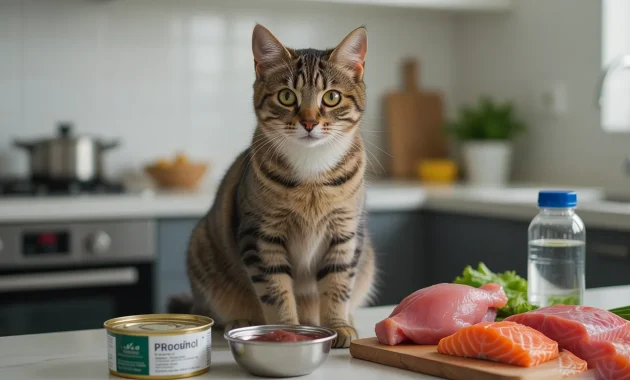
As a dedicated cat parent, walking down the pet food aisle can feel utterly overwhelming. Hundreds of colorful bags and cans line the shelves, each sporting bold claims like "biologically appropriate," "grain-free," "veterinarian-approved," and "natural."
While cats are exceptional at deciding what they want to eat based on texture and aroma, they are completely dependent on you to decide what they should eat to sustain a long, disease-free life.
Choosing the right diet is the single most influential health decision you will make for your companion. This definitive blueprint bypasses the marketing fluff to give you a scientifically grounded, easy-to-digest guide on understanding feline biology, decoding ingredient labels, comparing commercial formats, and tailoring nutrition to your cat's specific life stages.
The Obligate Carnivore Understanding Your Cat’s Biological Blueprint
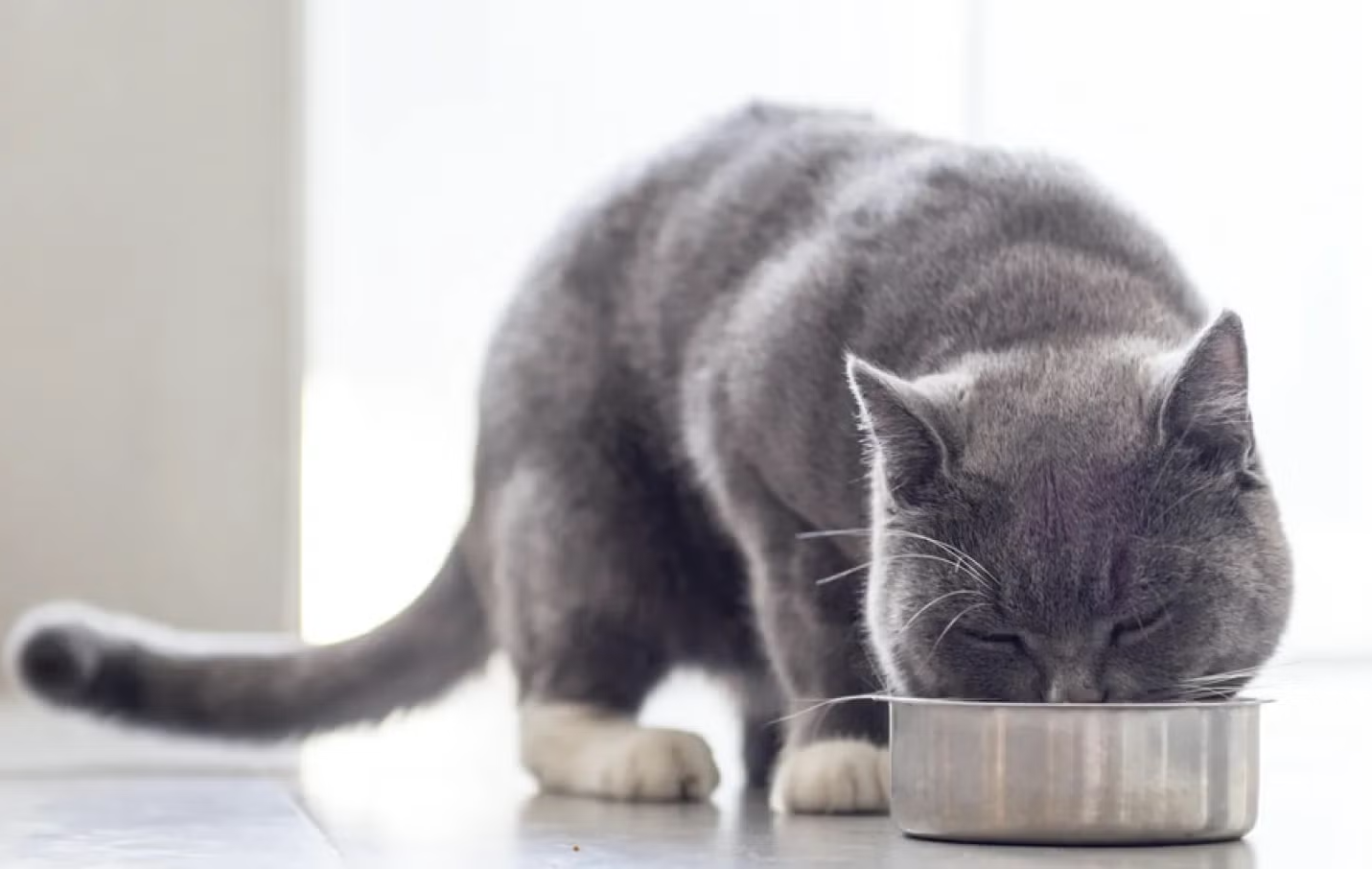
To understand what constitutes healthy cat food, we must first examine the evolutionary biology of the domestic cat (Felis catus). Unlike dogs and humans, who are omnivores capable of adapting to a wide variety of plant and animal sources, cats are obligate carnivores.
                       [Feline Metabolic Architecture]
                                      │
         ┌────────────────────────────┼────────────────────────────┐
         ▼                            ▼                            ▼
  High Protein Target        Gluconeogenesis Driven       Strict Amino Acid Needs
(Minimal carbohydrate load) (Constant protein breakdown) (Taurine, Arginine, Upstream Vit A)
This biological status dictates several non-negotiable dietary requirements:
1. The Low-Carbohydrate Reality
In the wild, a feral cat's diet consists entirely of small prey (rodents, birds, insects). This natural diet yields roughly 50–60% protein, 30–40% fat, and less than 5–10% carbohydrates by dry matter. Feline livers lack the metabolic pathways (such as high glucokinase activity) to efficiently process large loads of simple sugars or starches. Excess dietary carbohydrates are rapidly converted and stored as fat, serving as a primary driver for the modern feline obesity and type-2 diabetes epidemics.
2. Constant Gluconeogenesis
Humans and dogs can downregulate their protein-catabolizing enzymes when dietary protein is scarce, conserving lean muscle mass. Cats cannot. Their liver enzymes are permanently turned "on" to break down protein into glucose for baseline energy. If a cat food lacks sufficient animal protein, the cat's body will literally begin catabolizing its own skeletal muscle tissue to meet its metabolic demands.
3. Non-Negotiable Amino Acids
There are specific synthetic limitations built into the feline body that require direct supplementation from animal tissue:
-
Taurine: Essential for cardiac health, vision, and reproductive function. Cats cannot synthesize it from other amino acids; a deficiency leads to Dilated Cardiomyopathy (DCM) and blindness.
-
Arginine: Critical for the urea cycle. A single meal completely lacking arginine can lead to fatal ammonia toxicity.
-
Pre-formed Vitamin A and Arachidonic Acid: Unlike omnivores, cats cannot convert beta-carotene (from carrots) into Vitamin A, nor can they convert plant oils into arachidonic acid. They must consume these nutrients pre-formed via animal fat and organs.
How to Deconstruct a Pet Food Label
The marketing text on the front of a pet food bag is designed to catch your eye; the legally mandated text on the back is what tells the truth. Learning how to read these sections will instantly transform how you shop for your pet.
The Ingredient List: Splitting Fact from Fiction
Ingredients are listed by weight before processing. This rule creates a loophole known as "ingredient splitting" and "water weight deception."
-
The Water Weight Trick: If "Whole Chicken" is listed as the first ingredient, remember that raw chicken is roughly 70% water. Once the kibble is cooked and dehydrated, that chicken shrinks down significantly, meaning the actual volume of chicken meat might be lower than the corn or wheat listed second or third.
-
Ingredient Splitting: Manufacturers often break down a single crop into multiple sub-ingredients to push them lower on the list. For example, a label might list: Chicken, Ground Yellow Corn, Corn Gluten Meal, Corn Bran. If you group the three corn components together, corn actually becomes the primary ingredient over the chicken. Look for named meat meals (e.g., Chicken Meal, Turkey Meal) as top ingredients, as these are highly concentrated, pre-dehydrated protein sources.
The Guaranteed Analysis (GA) and the Dry Matter Basis
The Guaranteed Analysis box lists the minimum percentages of crude protein and fat alongside maximum percentages of fiber and moisture. However, you cannot directly compare a can of wet food to a bag of dry food using the numbers on the label.
Wet food appears to have vastly lower protein content because it contains 75–80% water. To make an accurate comparison, you must calculate the nutrient profile on a Dry Matter (DM) Basis:
Example: A can of wet food states 10% crude protein and 80% moisture. The Dry Matter is $100 - 80 = 20\%$. The actual protein content on a dry matter basis is $(10 / 20) \times 100 = 50\%$. This reveals that the wet food is actually far higher in protein than a dry kibble displaying 35% protein on its label.
Commercial Formats Wet, Dry, and Raw Compared
Every feeding format comes with explicit trade-offs regarding cost, convenience, metabolic health, and hydration.
| Metric / Feature | Dry Food (Kibble) | Wet Food (Canned/Pouches) | Raw / Freeze-Dried |
| Moisture Content | Very Low (approx. 10%) | High (75–80%) | Optimal (70–75% when hydrated) |
| Carbohydrate Load | High (Requires starch to bind) | Very Low to Low | Negligible |
| Dental Benefit | Minimal (Most pieces are swallowed whole) | None | High (if feeding raw meaty bones) |
| Convenience & Cost | High convenience, low cost | Moderate convenience, higher cost | Low convenience, premium cost |
The Hydration Imperative: Why Wet Food Wins
Cats evolved from desert-dwelling ancestors (Felis lybica). Because water was scarce, their bodies evolved to get their hydration directly from the moisture within their prey. Consequently, cats have a low thirst drive; they do not instinctively drink enough water from a bowl to compensate for a completely dry kibble diet.
Chronic sub-clinical dehydration is a leading factor in Feline Lower Urinary Tract Disease (FLUTD), bladder stones, and chronic kidney disease. Feeding wet food ensures consistent hydration, diluting urine and flushing out minerals before they can crystallize into painful stones.
Formulating by Life Stage — Kittenhood to Senior Years
A cat’s nutritional demands shift dramatically as their metabolism matures and eventually slows down.
1. Growth Phase: Kittens (0–12 Months)
Kittens double their birth weight within weeks, requiring an immense amount of energy and structural raw materials.
-
Amino Acid & Caloric Density: Kitten formulas must feature elevated fat levels to pack maximum calories into small stomachs.
-
Mineral Ratios: Precise control over the Calcium-to-Phosphorus ratio is mandatory. Deviations can result in developmental metabolic bone diseases.
-
Brain Development: Look for formulations enriched with DHA (Docosahexaegenic Acid), an omega-3 fatty acid crucial for retinal and cognitive growth.
2. Maintenance Phase: Adults (1–7 Years)
Once growth plateaus, the primary nutritional goal shifts toward preserving lean muscle tissue while preventing obesity.
-
Portion Control: Indoor cats have low daily energy expenditures. Free-feeding dry food layout frequently leads to overeating. Structured meal times are highly recommended.
-
L-Carnitine: An amino acid supplement often found in premium adult diets that helps metabolize fatty acids, supporting weight management.
3. Golden Years: Seniors (7+ Years)
As cats reach geriatric status, their digestive efficiency declines. Unlike dogs, who need fewer calories as they age, elderly cats (12+ years) often lose their capacity to digest protein and fat efficiently, requiring highly digestible, calorie-dense foods to prevent senior muscle wasting.
-
Phosphorus Restriction: Chronic Kidney Disease is highly prevalent in older cats. Opt for senior diets with controlled, lower phosphorus levels to reduce workload on aging kidneys.
-
Joint Support: Look for added Glucosamine, Chondroitin, and high-quality Marine Oils to alleviate inflammation associated with osteoarthritis.
Home-Cooked vs. Manufactured Food
The debate between preparing fresh meals at home and relying on factory-made formulas is a major point of discussion among pet owners.
The Home-Cooked Trap: The Threat of Nutritional Deficiencies
While preparing fresh chicken or beef in your kitchen guarantees ingredient quality and eliminates artificial preservatives, it is incredibly difficult to properly balance a cat’s long-term nutritional needs manually.
Feeding a cat nothing but plain, cooked chicken breast lacks calcium, taurine, and vital micronutrients. Within months, this can cause profound skeletal issues, heart failure, and severe metabolic imbalances. If you choose the home-cooked route, you must work directly with a veterinary nutritionist or use scientifically validated supplement bases (like Alnutrin or TCeline) to ensure nutritional completeness.
The Industrial Solution
High-quality commercial food manufacturers employ full-time veterinary nutritionists and utilize rigorous batch testing to ensure every single bite contains a mathematically precise ratio of macro and micronutrients. The key is separating premium, biology-focused commercial brands from low-tier options packed with excessive fillers and meat by-product meals of ambiguous origin.
Final Summary Action Plan
To transition your cat to a healthier lifestyle, implement these three core practices:
-
Prioritize Wet Food: Transition at least 50% (ideally 100%) of your cat's daily caloric intake to high-quality wet food to support their urinary tract and kidney health.
-
Audit the First Three Ingredients: Ensure the first three ingredients on the label are clearly named animal tissues (e.g., Chicken, Turkey, Salmon Meal), not ambiguous terms like "meat by-products" or plant proteins like "corn gluten meal."
-
Ditch Free-Feeding: Ditch the self-filling dry food dispenser. Transition your cat to structured, portion-controlled meals tailored to their current life stage and target weight.
FAQ
1. What is the healthiest food for cats?
The healthiest cat food is one that meets a cat’s biological needs as an obligate carnivore. It should be rich in high-quality animal protein, contain moderate amounts of animal fat, provide essential nutrients such as taurine and arachidonic acid, and minimize unnecessary carbohydrates and fillers.
2. Why are cats considered obligate carnivores?
Cats are obligate carnivores because their bodies are specifically adapted to obtain nutrients from animal tissue. They require nutrients such as taurine, arginine, vitamin A, and arachidonic acid that are naturally found in meat and cannot be adequately produced from plant-based sources.
3. Is wet food better than dry food for cats?
In many cases, yes. Wet food contains significantly more moisture, which helps support urinary tract health, kidney function, and overall hydration. It also tends to contain fewer carbohydrates than dry kibble, making it more biologically appropriate for cats.
4. Can cats live on dry food alone?
Cats can survive on dry food alone if it is nutritionally complete and balanced, but they may be at a higher risk of chronic dehydration, urinary tract issues, and obesity compared to cats that consume wet food regularly.
5. How much protein does a cat need?
Cats require a high-protein diet because their bodies continuously use protein for energy production. Animal-based protein should be the primary ingredient in their food to maintain muscle mass, support organ function, and provide essential amino acids.
6. Why is taurine important in cat food?
Taurine is an essential amino acid that supports heart health, vision, reproduction, and immune function. Cats cannot produce enough taurine on their own, so it must be supplied through their diet. Taurine deficiency can lead to blindness and serious heart disease.
7. Are carbohydrates bad for cats?
Cats can digest small amounts of carbohydrates, but they do not have a biological requirement for them. Excessive carbohydrates may contribute to obesity, insulin resistance, and type 2 diabetes in some cats.
8. What should I look for in the ingredient list?
Look for clearly identified animal proteins such as chicken, turkey, salmon, beef, or named meat meals among the first ingredients. Avoid foods that rely heavily on corn, wheat, soy, or vague ingredients like "meat by-products" as primary components.
9. What is ingredient splitting in pet food?
Ingredient splitting occurs when manufacturers divide a single ingredient into multiple smaller components. For example, corn may appear as corn meal, corn gluten meal, and corn bran separately, making meat appear higher on the ingredient list than it actually is.
10. Why is dry matter analysis important?
Dry matter analysis removes water content from nutritional calculations, allowing pet owners to accurately compare protein, fat, and carbohydrate levels between wet and dry foods.
11. Is grain-free cat food always better?
Not necessarily. Grain-free food is not automatically healthier. The overall nutritional profile, protein quality, and ingredient sourcing are more important than simply eliminating grains.
12. How often should adult cats be fed?
Most adult cats do well with two to four portion-controlled meals per day. Scheduled feeding helps prevent overeating, supports healthy weight management, and allows owners to monitor appetite changes.
13. What is the best food for kittens?
Kittens require nutrient-dense food formulated specifically for growth. These diets should contain high levels of protein, fat, DHA for brain development, and balanced calcium-to-phosphorus ratios for healthy bone growth.
14. What should senior cats eat?
Senior cats benefit from highly digestible protein sources, controlled phosphorus levels, joint-support ingredients such as glucosamine and chondroitin, and adequate calories to help maintain muscle mass.
15. Is homemade cat food healthy?
Homemade cat food can be healthy if formulated correctly with guidance from a veterinary nutritionist. Feeding plain meat alone is not nutritionally complete and may cause severe deficiencies over time.
16. Why do veterinarians recommend complete and balanced diets?
Complete and balanced diets are formulated to provide all essential nutrients in the correct amounts. They help prevent nutritional deficiencies and support long-term health across all life stages.
17. Can cats become overweight from free-feeding?
Yes. Free-feeding often encourages excessive calorie intake, especially in indoor cats with lower activity levels. Portion-controlled feeding is generally recommended for maintaining a healthy weight.
18. What nutrients are most important for cat health?
Key nutrients include animal protein, taurine, arginine, arachidonic acid, omega-3 fatty acids, vitamins, minerals, and adequate water intake.
19. How can I transition my cat to a new food?
Gradually introduce the new food over 7–10 days by mixing increasing amounts with the current diet. This helps reduce digestive upset and improves acceptance.
20. What is the biggest mistake cat owners make when choosing food?
One of the most common mistakes is relying solely on marketing claims instead of evaluating the ingredient list, nutritional analysis, protein sources, and suitability for the cat’s life stage and health needs.