Understanding Your Cat's Palate: The Ultimate Guide to What Felines Love to Eat
3 months ago · Updated 3 months ago
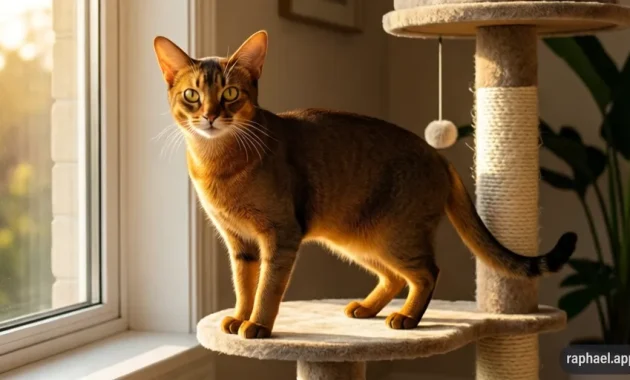
Have you ever meticulously prepared a bowl of premium food, only to have your cat sniff it once and walk away with an air of utter disdain? Every "PetLover" has been there. It’s a common frustration, but the truth is, cats aren't just being "divas"—they are biologically wired to be incredibly discerning about their meals.
Understanding a cat’s appetite requires looking at the world through their nose and whiskers. Here is a deep dive into what truly makes a meal irresistible to your feline friend.
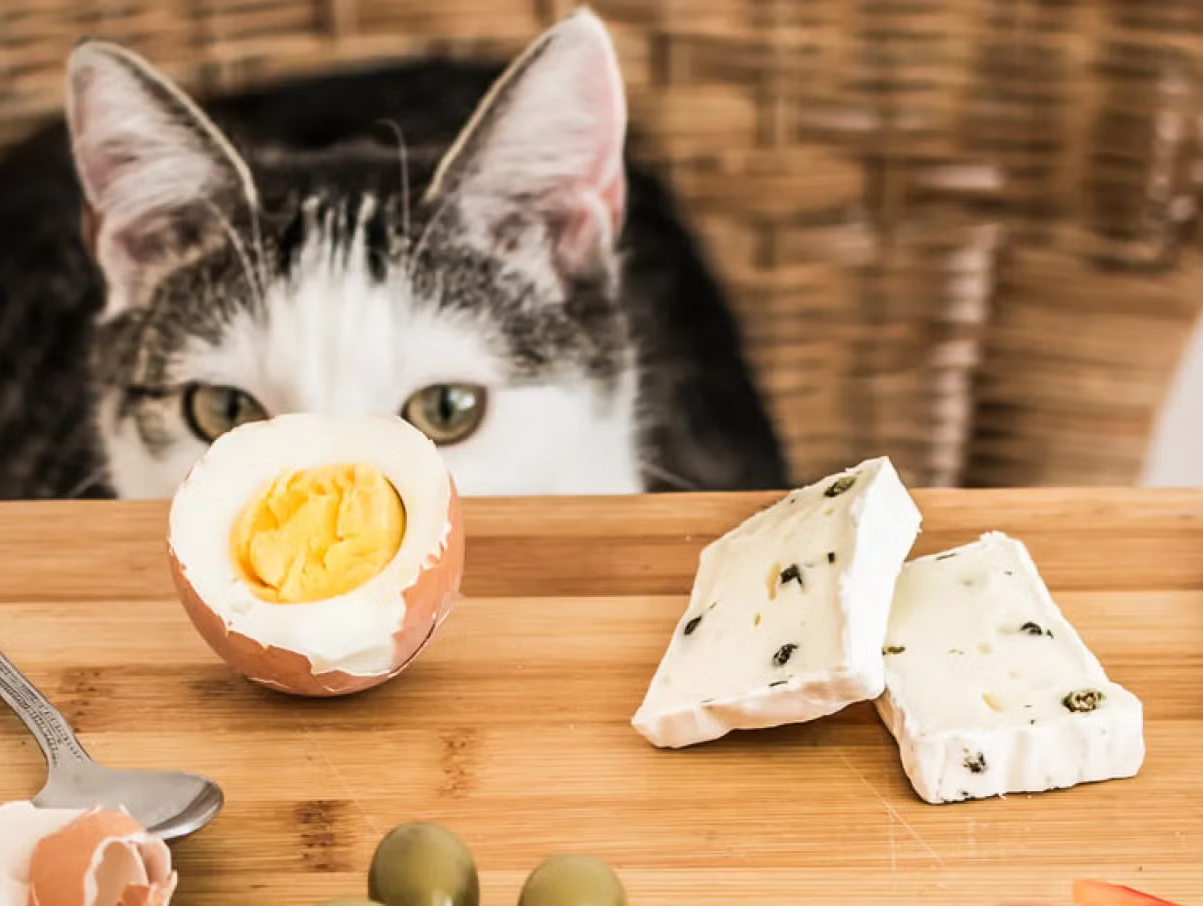
The Power of Scent: Why Aroma is Everything
If a human eats with their eyes first, a cat eats with its nose. A cat’s sense of smell is roughly five times stronger than ours. While we have about 15 million olfactory receptors, cats boast a staggering 65 million.
If the aroma doesn't hit the right notes, the meal is a non-starter. This is why you’ll see your cat cautiously sniffing their bowl before taking a single bite. If it doesn't smell "right," they’d rather spend their afternoon napping in a corner than eating.
The Protein and Fat Connection
What creates that enticing aroma? It’s all about the protein and fat content.
-
Protein: According to AAFCO standards, adult cat food should contain a minimum of 26% protein.
-
Fat: A minimum of 9% fat is required.
Beyond just providing energy, these two components are the primary drivers of palatability (how good it tastes and smells). High-quality fats provide that rich scent that signals to a cat’s brain: "This is a high-energy, nutritious meal."
Temperature Matters: The "Prey" Factor
Have you noticed your cat turns their nose up at wet food straight from the fridge? There’s a biological reason for that. In the wild, a cat’s prey is warm. Therefore, cats naturally prefer food that is close to their body temperature—roughly 38-39°C (100-102°F).
Pro-Tip for Serving:
If you store open canned food in the refrigerator, don't serve it cold. Instead:
-
Let it sit at room temperature for a while.
-
Mix in a little warm water to take the chill off and enhance the aroma.
-
Avoid the Microwave: Microwaving can create "hot spots" that burn your cat's mouth and can degrade the essential nutrients in the food.
The Psychology of the Feeding Station
Sometimes, it’s not the food—it’s the environment. Cats are "vulnerable" when they eat, so they need to feel secure.
-
Location: Place the bowl in a quiet area. Avoid high-traffic zones like doorways or noisy laundry rooms.
-
Cleanliness: Cats are fastidious. If the bowl smells like old grease or strong dish soap, they won't want to go near it.
-
Bowl Shape: Believe it or not, the shape matters. Many cats prefer oval or shallow bowls. This prevents "whisker fatigue"—a stressful sensation caused when their sensitive whiskers touch the sides of a deep, narrow bowl.
The Mystery of Grass-Eating
It’s a sight that puzzles many owners: why does a carnivore eat grass? While grass isn't a meal, it serves as a natural supplement.
-
Fiber for Hairballs: Cats use the fiber in grass to help move hairballs through their digestive tract.
-
The Risk of "Wild" Grass: Letting your cat eat grass from the yard is risky, as it may contain parasites or chemical pesticides.
-
The Solution: Look for cat food with an appropriate fiber content (around 3%) to satisfy their digestive needs safely.
Solutions for the "Picky Eater"
If you have a cat that is consistently fussy or has a sensitive stomach, specialized formulas like Pro Plan Adult Delicate can be a lifesaver. These are designed specifically to boost palatability while being gentle on the gut.
Quick Checklist for PetLovers:
-
Check the Labels: Ensure protein is >26% and fat is >9%.
-
Serve it Warm: Aim for body temperature.
-
Quiet Corner: Ensure their dining area is peaceful.
-
Freshness First: Toss out refrigerated wet food after 48 hours.
Final Thought: If your cat’s eating habits change suddenly, it’s always best to consult with a veterinarian or a professional breeder. A healthy cat is a happy cat, and the right meal is the foundation of that happiness!
FAQ – Why Cats Are Picky Eaters
1. Why is my cat so picky about food?
Cats are naturally selective eaters because they rely heavily on smell, texture, temperature, and environmental comfort before deciding to eat.
2. Do cats really eat with their nose first?
Yes. A cat’s sense of smell is far stronger than a human’s, making aroma one of the most important factors in food acceptance.
3. Why does my cat sniff food and walk away?
If the smell, temperature, or texture feels “wrong” to your cat, they may refuse to eat even if the food is high quality.
4. What smells attract cats to food?
Cats are usually attracted to foods rich in animal protein and fat because these ingredients produce stronger, meatier aromas.
5. How much protein should cat food contain?
Adult cat food should generally contain at least 26% protein to meet nutritional recommendations.
6. Why is fat important in cat food?
Fat provides energy and improves palatability by enhancing flavor and aroma.
7. Why won’t my cat eat cold wet food?
Cats naturally prefer food close to body temperature because warm food resembles fresh prey in the wild.
8. What is the best temperature for serving cat food?
Slightly warm or room-temperature food is usually more appealing than cold refrigerated food.
9. Can I microwave cat food?
It is generally safer to warm food using warm water instead of microwaving, which can create dangerous hot spots.
10. Why does adding warm water help?
Warm water enhances aroma and softens texture, making food more appetizing.
Feeding Environment FAQ
11. Does the feeding location matter?
Yes. Cats prefer quiet, low-stress areas away from loud noises or heavy foot traffic.
12. What is whisker fatigue?
Whisker fatigue occurs when sensitive whiskers repeatedly touch the sides of deep or narrow bowls, causing discomfort or stress.
13. What bowls are best for cats?
Many cats prefer shallow, wide, or oval-shaped bowls that reduce whisker contact.
14. Why won’t my cat eat from a dirty bowl?
Cats are extremely clean animals and may reject bowls with leftover odors, grease, or strong soap scents.
15. How often should cat bowls be cleaned?
Food bowls should ideally be washed daily using mild, unscented soap.
Health & Nutrition FAQ
16. Why do cats eat grass?
Cats may eat grass to aid digestion, help move hairballs, or obtain extra fiber.
17. Is outdoor grass safe for cats?
Not always. Outdoor grass may contain pesticides, parasites, or harmful chemicals.
18. Can fiber help with hairballs?
Yes. Moderate fiber content may help move swallowed fur through the digestive system.
19. What should I do if my cat suddenly stops eating?
A sudden loss of appetite should always be taken seriously and evaluated by a veterinarian.
20. Are picky eating habits normal?
Mild food preferences are common, but persistent refusal to eat can signal stress, illness, or dental problems.
Sensitive Stomach & Specialized Food FAQ
21. What food is good for sensitive cats?
Some cats benefit from specialized digestive-support formulas such as Purina Pro Plan sensitive stomach recipes.
22. How do I transition to new cat food?
Gradually mix increasing amounts of the new food with the old food over 7–10 days.
23. Can stress affect appetite?
Yes. Environmental changes, loud noises, new pets, or anxiety can reduce appetite.
24. Should I free-feed or schedule meals?
Many cats do well with scheduled feeding routines because consistency helps reduce stress and overeating.
25. How can I encourage a picky cat to eat?
Helpful strategies include:
- Warming the food slightly
- Offering smaller portions
- Trying different textures
- Using shallow bowls
- Feeding in a quiet environment