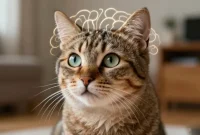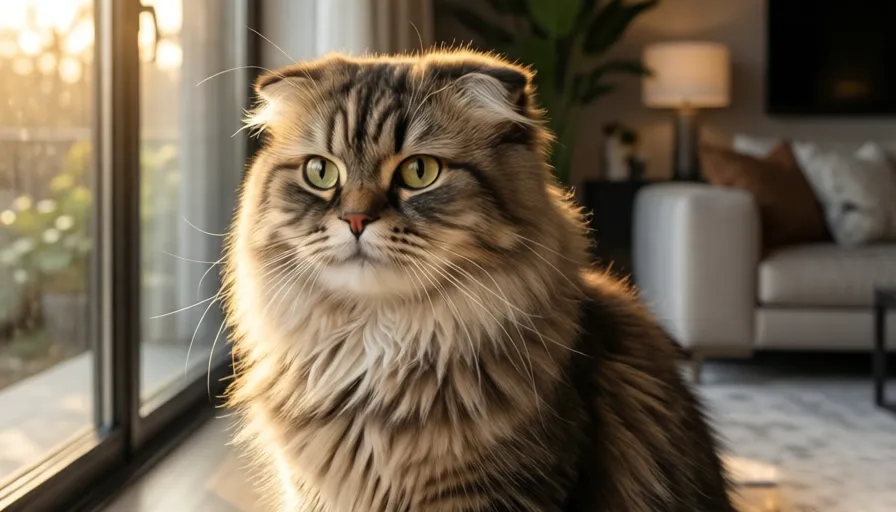
In the diverse world of feline aesthetics, few breeds capture the imagination quite like the American Curl. With ears that gracefully arc backward toward the center of the skull, they possess an expression of perpetual alertness and whimsical charm. Often described as the “Peter Pan” of the cat world, this breed is celebrated not just for its unique ears, but for a personality that remains kitten-like well into adulthood.
As we move through 2026, the American Curl has solidified its place as a favorite among families and feline enthusiasts who seek a social, intelligent, and healthy companion. This guide provides a deep dive into everything you need to know about this Lakewood, California native—from its serendipitous history to the specific care required to keep its unique ears healthy.

Breed Origins: From a California Stray to a Global Icon
Unlike many ancient breeds whose histories are shrouded in mystery, the American Curl has a very specific “Founding Mother.” In 1981, a family in Lakewood, California, discovered a stray, long-haired black female cat with unusual ears. They named her Shulamith.
When Shulamith gave birth to her first litter six months later, two of the four kittens shared her distinctively curled ears. This caught the attention of feline geneticists and enthusiasts alike. By 1983, selective breeding began in earnest. What makes this story remarkable is that the American Curl is a natural mutation. It wasn’t “engineered” by humans; rather, humans recognized a beautiful, healthy natural trait and worked to preserve it.
The Genetics of the Curl: Understanding the Trait
Geneticist Roy Robinson, who analyzed the breed during its infancy, discovered that the ear-curling gene is autosomal dominant.
-
What this means for breeders: If a cat has even one copy of the “curl” gene, it will display the trait.
-
The Health Factor: Unlike the Scottish Fold, whose ear mutation is linked to osteochondrodysplasia (a painful joint and bone condition), the American Curl’s gene affects only the cartilage of the ear. Comprehensive studies have found no associated health defects, making it one of the sturdiest “specialty” breeds in existence.
Physical Characteristics: More Than Just Unique Ears
While the ears are the focal point, the American Curl is a masterpiece of moderate, elegant proportions.
The Body and Build
The Curl is a medium-sized cat, with adult males weighing between 7 to 10 pounds and females between 5 to 8 pounds. They possess a semi-foreign, rectangular body—meaning they are lean and elegant but carry a moderate amount of muscle mass. They are not “bulky” like a British Shorthair, nor “tubular” like a Siamese.
The Head and Eyes
The head is a modified wedge, slightly longer than it is wide. Their eyes are particularly striking—walnut-shaped, oval on top and round on the bottom. They are set at a slight angle, giving the cat an inquisitive, intelligent gaze.
The Coat
American Curls come in both shorthair and longhair varieties. Because they have very little undercoat, their fur feels exceptionally silky and lies flat against the body. This unique coat structure makes them surprisingly low-maintenance in terms of shedding.

Personality & Temperament: The Social Butterfly
If you are looking for a cat that hides under the bed when guests arrive, the American Curl is not for you. These cats are famously social. They are often described as “dog-like” because they like to greet their families at the door and participate in every household activity.
They are highly intelligent and curious, often learning how to open cabinets or fetch toys. Their “Peter Pan” nickname refers to their tendency to retain their playful, kittenish energy throughout their entire lives. They don’t just “live” in your house; they “interact” with it.
The Growth Timeline: The Mystery of the Unfurling Ear
One of the most fascinating aspects of the American Curl is that they are born with straight ears.
-
Days 3–5: The ears begin to curl back into a tight rosebud shape.
-
Weeks 4–16: The ears gradually unfurl and “set.”
-
Month 4: The cartilage becomes firm, and the ear reaches its permanent shape.
A show-quality Curl will have an arc between 90 and 180 degrees. The tips should be rounded and flexible, never stiff or brittle.
Nutrition & Diet: Fueling an Obligate Carnivore
Despite their whimsical appearance, American Curls are still obligate carnivores. Their bodies are designed to process animal protein and fat, not carbohydrates or plant-based fillers.
Key Nutritional Pillars:
-
High Protein: Ensure the first ingredient is always a named meat (e.g., Chicken, Turkey, or Salmon).
-
Moisture Content: Curls, like all cats, often have a low thirst drive. Incorporating wet food is essential for kidney health.
-
Caloric Balance: Because they are moderately active, they can become prone to obesity if free-fed. We recommend scheduled mealtimes to maintain their lean, elegant silhouette.
Grooming and Maintenance
Thanks to the lack of a thick undercoat, the American Curl is a dream to groom.
-
Shorthair: A weekly brushing with a rubber curry brush is usually sufficient.
-
Longhair: Twice-weekly brushing with a stainless steel comb will prevent the minor tangles that can occur behind the ears or on the tail.
-
Ear Care: This is the most critical part. Becausea of the curl, the ear canals are more “open” to debris. Warning: Never force the ear into a straight position during cleaning, as this can break the cartilage. Use a cotton ball and a vet-approved cleanser to gently wipe the visible parts of the ear.
FAQ – American Curl Cat Breed
1. What is an American Curl cat?
The American Curl is a unique cat breed famous for its backward-curling ears and playful, affectionate personality.
2. Where did the American Curl originate?
The breed originated in Lakewood, California, in 1981 from a stray cat named Shulamith.
3. Why do American Curl cats have curled ears?
Their curled ears are caused by a natural genetic mutation affecting the ear cartilage.
4. Are American Curl cats born with curled ears?
No. Kittens are born with straight ears, and the curling begins within the first few days after birth.
5. At what age do the ears fully develop?
The ears usually reach their permanent shape around 4 months of age.
6. Is the curled-ear gene harmful?
No. Unlike some other ear-related mutations, the American Curl gene is not associated with bone or joint disorders.
7. Are American Curl cats healthy?
Yes. They are generally considered a healthy and genetically sturdy breed.
8. How big do American Curl cats get?
Adult males usually weigh 7–10 pounds, while females typically weigh 5–8 pounds.
9. Do American Curl cats come in different coat types?
Yes. They are available in both shorthair and longhair varieties.
10. Are American Curl cats hypoallergenic?
No cat breed is truly hypoallergenic, but American Curls may shed less due to their minimal undercoat.
11. Do American Curl cats shed a lot?
No. Their low undercoat means shedding is relatively light compared to many other breeds.
12. Are American Curl cats good family pets?
Yes. They are affectionate, social, and usually get along well with children and other pets.
13. Are American Curl cats intelligent?
Yes. They are highly curious and can learn tricks, games, and interactive behaviors.
14. Why are American Curls called the “Peter Pan” cats?
Because they tend to keep their playful, kitten-like personality throughout adulthood.
15. Are American Curl cats vocal?
They are moderately vocal and enjoy interacting with their humans.
16. Do American Curl cats like attention?
Yes. They enjoy being involved in family activities and dislike being ignored for long periods.
17. Are American Curl cats active?
Yes. They are playful and moderately energetic but not hyperactive.
18. What should American Curl cats eat?
They thrive on high-protein diets rich in animal-based ingredients and moisture.
19. Why is wet food important for American Curls?
Wet food helps maintain hydration and supports kidney and urinary health.
20. Can American Curl cats become overweight?
Yes. Scheduled feeding and portion control are important to prevent obesity.
21. How often should an American Curl be groomed?
Shorthairs usually need weekly brushing, while longhairs benefit from brushing twice a week.
22. Why is ear care important for American Curl cats?
Their curled ears can trap dirt and debris more easily, requiring gentle routine cleaning.
23. How do you clean an American Curl’s ears safely?
Use a soft cotton ball and vet-approved cleanser while avoiding excessive bending of the ear cartilage.
24. Can the ears be damaged easily?
Yes. The cartilage is delicate, so the ears should never be forced into a straight position.
25. Are American Curl cats rare?
Yes. While increasingly popular, they are still considered a relatively rare cat breed worldwide.