If you have recently welcomed a feline companion into your home, or if you are looking at your long-term cat’s current diet and wondering if you are doing things right, you are not alone. Walk into any pet supply store in 2026, or browse an online pet retailer, and you are immediately bombarded with an overwhelming wall of options. Grain-free, raw food, freeze-dried raw, biological evolutionary diets, indoor formulas, life-stage specific kibble, and premium stews the options are dizzying.
As a cat owner (or PetLovers, as we affectionately say), it is easy to get lost in marketing buzzwords. However, feline nutrition isn’t an art form; it is a precise biological science.
Cats are not small dogs, nor are they furry humans. They possess a unique metabolic framework dictated by millions of years of evolutionary adaptation as apex predators. Feeding them correctly is the single most powerful tool you have to prevent chronic illnesses, avoid costly veterinary bills, and extend their life expectancy well into their late teens or twenties. Written with insights from veterinary nutritionists, we will explore the evolutionary biology of the domestic cat, break down the structural differences between dry food, wet food, and alternative diets, analyze how to read a pet food label without being tricked by marketing, and provide actionable feeding blueprints for every stage of your cat’s life.
The Biological Blueprint—Understanding the Obligate Carnivore
To understand what makes a food “the best” for a cat, we must first look at the wild ancestors of our domestic felines: Felis lybica, the African wildcat. Out on the African savannah, these animals survived on a diet consisting entirely of small rodents, birds, insects, and reptiles.
Over millennia, this strict predatory lifestyle altered their internal physiology. While dogs and humans evolved as omnivores—capable of processing a wide variety of plant and animal matters—cats evolved as obligate (true) carnivores. This means their bodies require nutrients found only in animal tissue to survive and thrive. They do not just prefer meat; they are biologically imprisoned by it.
                  [ The Feline Dietary Hierarchy ]
                                 │
         ┌───────────────────────┴───────────────────────┐
         ▼                                               ▼
[ Macronutrients Required ]                    [ Evolutionary Traits ]
  ├── High Animal Protein                        ├── Low Thirst Drive
  ├── Moderate Fats & Lipids                     └── Zero Carbohydrate Requirement
  └── Essential Amino Acids (Taurine/Arginine)
The Protein-Driven Metabolism
Unlike omnivores, which can downregulate their protein-processing enzymes when dietary protein is low, cats possess a constant, unyielding enzyme activity in their liver. They break down protein for baseline energy production every single day, regardless of whether they have eaten meat or plants.
If a cat is fed a diet low in animal protein, or one heavily reliant on plant proteins like corn gluten or soy, their body will literally begin to catabolize (break down) its own muscle tissue to satisfy its fundamental metabolic requirements.
The Crucial Role of Essential Amino Acids
There are specific amino acids—the building blocks of protein—that cats cannot synthesize internally. They must get them directly from preformed animal meat:
-
Taurine: This amino acid is found exclusively in animal muscle meat, organs (especially the heart), and seafood. A deficiency in taurine is catastrophic for a cat, leading to Central Retinal Degeneration (irreversible blindness) and Dilated Cardiomyopathy (a fatal heart condition).
-
Arginine: Cats are extremely sensitive to arginine deficiency. A single meal completely lacking in arginine can cause a dangerous spike in blood ammonia levels, leading to neurological signs, seizures, and death within hours. Fortunately, commercial cat foods are heavily fortified with this, but it highlights why a home-cooked vegan diet is deadly for a feline.
The Missing Carbohydrate Machinery
Humans produce an enzyme called amylase in our saliva to begin breaking down complex carbohydrates the moment we chew. Cats do not have salivary amylase. Furthermore, their intestinal tract and liver have incredibly low levels of carbohydrate-processing enzymes (such as glucokinase).
In the wild, a cat’s total daily carbohydrate intake is less than 2–5%, consisting primarily of the pre-digested stomach contents of their prey. Their bodies are built to utilize fats and proteins for energy via a process called gluconeogenesis, not starches and sugars.
The Core Diet—The Great Dry vs. Wet Food Debate
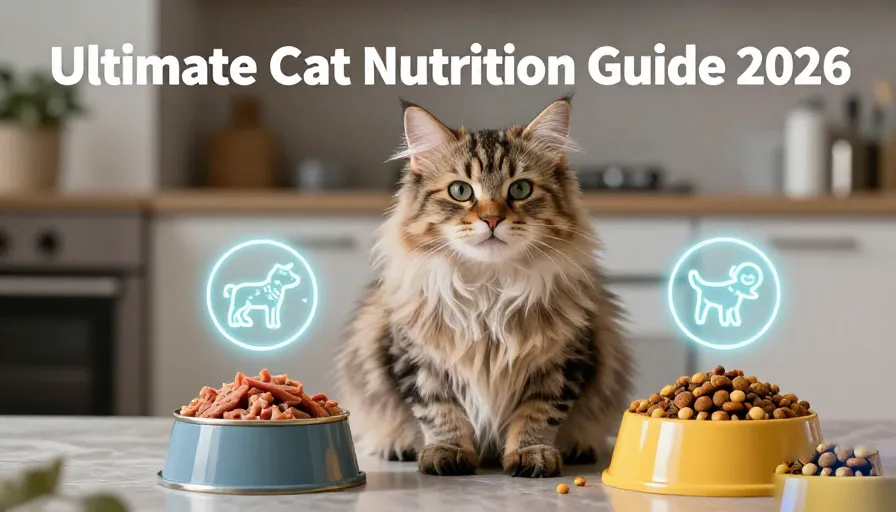
When choosing a primary food for your cat, the choice almost always comes down to Dry Food (Kibble) versus Wet Food (Canned, Pouches, or Trays). Both formats have their place in modern pet care, but they serve completely different physiological and logistical purposes.
Dry Food (Kibble): The Convenience Champion
Dry food is the global baseline for pet owners due to its affordability, ease of storage, and shelf stability. However, from a biological standpoint, it carries both distinct advantages and significant hidden risks.
The Advantages:
-
Dental Health and Profilaxis: High-quality kibble is often praised for its mechanical action on teeth. When a cat bites down on a properly formulated, crunchy kibble, the structural friction helps scrape away soft plaque before it hardens into tartar (calculus). This reduces the risk of periodontal disease, a major health issue that causes painful gum inflammation and systemic infections in aging cats.
-
Logistical Flexibility and “Grazing”: Cats prefer to eat multiple small meals throughout a 24-hour cycle—a behavior mimicking hunting small prey. Kibble can remain out in a bowl for extended periods (easily up to 60 minutes or longer after serving) without spoiling, turning sour, or attracting pests, making it ideal for busy professionals who work away from home.
-
Caloric Density: Kibble is highly concentrated. For underweight cats or high-energy growing kittens, a small portion provides a dense, efficient dose of calories and vital nutrients.
The Structural Disadvantages:
-
The Dehydration Risk: To maintain its structural integrity and shelf life, dry food contains very little moisture—typically around 10%. Because cats have a naturally low thirst drive, they do not instinctively drink enough water from a bowl to compensate for this dry diet. This chronic, low-level dehydration results in highly concentrated urine, predisposing the cat to crystalline formations, bladder stones, and feline lower urinary tract diseases (FLUTD).
-
The Carbohydrate Burden: To form a solid biscuit through an industrial extruder machine, starch is mandatory. As a result, even high-end, grain-free dry foods often contain 30% to 50% carbohydrates (derived from peas, potatoes, or corn). This excess starch can contribute significantly to feline obesity and Type 2 diabetes mellitus.
Wet Food: The Hydration Gold Standard
Wet food represents a massive leap toward replicating the natural moisture profile of a wild diet. Available in textures ranging from smooth patés to shredded meats in rich gravies, it is highly recommended by modern veterinary practitioners.
The Advantages:
-
Inherent Urinary Tract Protection: Wet food contains roughly 70% to 80% water. By feeding canned food, you are effectively “forcing” hydration into your cat’s system. This thins out the urine, increases the frequency of urination, and flushes out the bladder regularly, making it the primary defense against painful cystitis and life-threatening urinary blockages.
-
Preservation of Lean Body Mass: Wet food formulas naturally focus on animal proteins and fats while keeping carbohydrates exceptionally low. This protein-heavy profile helps adult and senior cats retain robust muscle mass while burning excess body fat, keeping them lean, agile, and long-lived.
-
High Palatability for Fragile Cats: The canning process locks in strong, meaty aromas. For senior cats with a declining sense of smell, sick cats experiencing nausea, or notoriously finicky eaters, warming up a premium wet food can stimulate a vital feeding response where dry kibble fails.
The Disadvantages:
-
Perishability: Once a can or pouch is opened, the clock starts ticking. Wet food left out at room temperature will dry out, oxidize, lose its nutritional integrity, and can breed harmful bacteria within 1 to 2 hours.
-
Zero Dental Benefit: The soft, mushy consistency of wet food offers no mechanical scraping action against the teeth. If fed exclusively, owners must be diligent with alternative dental care, such as manual brushing or dental treats.
The Hybrid Solution: Mixed Feeding Blueprints
To capture the best of both worlds, veterinary nutritionists overwhelmingly advocate for a Mixed Feeding Routine. By strategically combining both textures, you offer your cat comprehensive, balanced support.
+-------------------------------------------------------------------+
|                  THE ULTIMATE MIXED FEEDING MODEL                 |
+-------------------------------------------------------------------+
|  [ MORNING ]                                                      |
|  • Serve a measured portion of Premium Dry Kibble.                |
|  • Provides dental friction as they start their day.              |
|  • Stable enough to be grazed on safely while you are at work.   |
+-------------------------------------------------------------------+
|  [ EVENING ]                                                      |
|  • Serve a high-moisture Wet Food Can or Pouch (Paté/Gravy).      |
|  • Floods the kidneys and bladder with critical hydration.        |
|  • Delivers top-tier animal protein for lean muscle repair.       |
+-------------------------------------------------------------------+
Decoding the Label—How to Spot Premium Cat Food
Choosing the right bag or can of cat food requires looking past the gorgeous lifestyle imagery on the front of the packaging and directly analyzing the technical data on the back. The pet food industry is highly competitive, and manufacturers use specific labeling laws to adjust the perceived quality of their products.
The Order of Ingredients Matters
Regulatory standards dictate that ingredients must be listed in descending order by weight before processing.
-
The Golden Rule: The first two or three ingredients listed should always be a clearly named animal protein source (e.g., “Chicken,” “Deboned Turkey,” or “Salmon”).
-
Beware of Ingredient Splitting: Sophisticated manufacturers often split a single low-quality ingredient into multiple smaller sub-categories so they appear further down the list. For example, if a label reads: Chicken (20%), Ground Corn (12%), Corn Gluten Meal (11%), Corn Flour (10%), the total cumulative corn content actually far outweighs the chicken. This is a red flag for a food designed for an obligate carnivore.
“Named” vs. “Generic” Proteins
Always look for hyper-specific terminology on the ingredient panel.
-
High Quality: Look for named meats and organ meats (e.g., Chicken Liver, Beef Lung, Salmon Meal).
-
Low Quality: Avoid vague, generic descriptors such as Meat By-Products, Animal Derivatives, or Poultry Meal. These generic terms mean the manufacturer can legally change the source animals from batch to batch based on whatever livestock scraps are cheapest at the moment, which can easily trigger unexplained food allergies in sensitive cats.
Understanding the AAFCO Adequacy Statement
Never buy a pet food without locating the official AAFCO (Association of American Feed Control Officials) statement on the packaging. This tiny block of text is your legal guarantee that the food is formulation-tested and meets minimum safety and nutritional thresholds.
The statement will generally read in one of two ways:
-
“Formulated to meet the nutritional levels established by the AAFCO Cat Food Nutrient Profiles for Adult Maintenance.” (This is strictly for adult cats and will cause nutritional deficiencies if fed to growing kittens).
-
“Formulated to meet the nutritional levels established by the AAFCO Cat Food Nutrient Profiles for All Life Stages.” (This is a robust, nutrient-dense formula safe for kittens, pregnant queens, and adult cats alike).
Alternative Diets—Raw, Freeze-Dried, and Home-Cooked
As pet care trends mirror human health movements, alternative diets have exploded in popularity. While many cat parents report remarkable transformations using these models, they require extreme precision to execute safely.
Raw Feeding (BARF Diet)
The BARF (Biologically Appropriate Raw Food) model aims to perfectly replicate the chemical composition of a wild kill. It relies on a strict mathematical ratio of raw muscle meat, secreting organs, and raw ground bones.
[ Traditional BARF Diet Composition ]
  ├── 80% Raw Muscle Meat (Moisture, Amino Acids)
  ├── 10% Raw Organ Meat (5% Liver, 5% Kidney/Spleen for Trace Vitamins)
  └── 10% Edible Raw Bone (Calcium, Phosphorus Balance)
The Benefits:
Proponents of raw feeding report noticeably shinier coats, minimal shedding, reduced stool odor (due to near-perfect digestion of nutrients), and vastly improved energy levels.
The Serious Risks:
-
Pathogenic Contamination: Raw meats can harbor dangerous pathogens like Salmonella, E. coli, and Listeria. While a cat’s highly acidic stomach and short intestinal tract can often tolerate these bacteria, the true risk is to the human family members who handle the food or touch the cat’s saliva.
-
Severe Nutritional Imbalance: If you try to build a raw diet at home by simply feeding your cat raw chicken breasts from the grocery store, you will cause a profound calcium-to-phosphorus inversion. This destroys the cat’s skeleton and leads to metabolic bone disease. Raw meat must be precisely balanced with calcium, trace minerals, and essential vitamins.
The Modern Middle Ground: Commercial Freeze-Dried Raw
For owners who want the evolutionary benefits of raw food without the mess or bacterial risks of raw meat, Freeze-Dried Raw Food has become a premier choice.
Through a specialized cold-vacuum sublimation process, moisture is extracted from raw meats while keeping the delicate enzymes, proteins, and vitamins completely intact.
-
How to Use It: These lightweight, shelf-stable nuggets or patties can be stored in your pantry indefinitely. Simply crumble them into a bowl, add warm water to rehydrate them back into a fresh, nutrient-dense meal, and serve. It offers the biochemical benefits of raw feeding with the safety and convenience of a standard commercial diet.
Makanan Pendamping (Snacks & Treats)—The 10% Golden Rule
Just like humans, cats deeply appreciate dietary variety and the psychological stimulation of receiving a special treat. In modern cat ownership, snacks play a powerful role in training, mental enrichment, and deepening the domestic bond. However, treating must be approached with structural discipline.
The Dangers of Nutritional Distortion
The most critical baseline for any cat parent is ensuring that snacks do not compromise their core nutritional intake. Treats are not formulated to be complete and balanced; they are highly concentrated flavor bursts.
The Universal Veterinary Law: Makanan pendamping (camilan/treats) must never exceed 10% of your cat’s total daily caloric intake.
If a cat consumes too many treats, two clinical issues quickly arise:
-
Nutritional Deficiencies: The cat fills up on unfortified calories and refuses to eat their balanced core kibble or wet food, leading to long-term mineral deficiencies.
-
The Obesity Cascade: Over-treating is the leading driver of feline obesity. An extra 20 calories a day to a 10-pound cat is equivalent to a human eating an extra double-cheeseburger every single day.
Commercial Functional Treats: The Dental Solution
Rather than giving your cat empty-calorie snacks, prioritize Functional Treats that deliver an explicit health benefit. A premier example is choosing treats structured scientifically to support oral care.
High-quality oral health treats (such as those officially certified by the VOHC – Veterinary Oral Health Council) utilize a highly specific, porous architectural matrix.
-
When a cat bites into the treat, the biscuit does not simply shatter into powder. Instead, the tooth penetrates deep into the porous structural grid, safely scraping away plaque from hard-to-reach crevices and along the delicate gumline.
-
Furthermore, premium varieties are formulated to be exceptionally low in calories and sodium, ensuring your cat receives the oral hygiene support they need without disrupting their strict daily weight management plan.
Natural, Clean-Label Treats
If you want to step away from processed biscuits entirely, look for single-ingredient, clean-label snacks:
-
Freeze-Dried Chicken Breast or Minnow: Pure animal tissue with zero added fillers, starches, salt, or artificial preservatives.
-
Bonito Flakes: Thinly shaved dried fish flakes that offer an intense umami aroma that cats love, packed with beneficial omega-3 fatty acids.
Comprehensive Life-Stage Feeding Blueprints
A cat’s nutritional requirements change dramatically across their lifespan. Feeding a senior cat a high-energy kitten formula can trigger rapid weight gain and kidney stress, while feeding a kitten an adult maintenance diet will stunt their developmental growth.
The Growth Phase: Kittens (Weaning to 12 Months)
Kittens grow at an explosive exponential rate. Within their first year of life, they must develop complex nervous systems, strong skeletal structures, and a robust immune framework.
[ Kitten Nutritional Priorities ]
  ├── Massive Caloric Density (For rapid physical growth)
  ├── Highly Elevated Protein (Minimum 30-35% DM)
  ├── Enhanced Calcium & Phosphorus (For skeletal calcification)
  └── DHA / Omega-3 Fatty Acids (For brain and retinal development)
Actionable Feeding Strategy:
-
Feed kitten-specific formulas explicitly labeled for growth or “All Life Stages.”
-
Offer free-choice access to premium dry kibble alongside 2 to 3 distinct wet food meals throughout the day to maximize hydration habits early in life.
The Baseline: Prime Adult Cats (1 Year to 7 Years)
Once a cat reaches one year of age, their skeletal growth halts, and their metabolic rate stabilizes. The primary clinical objective shifts from supporting growth to maintaining an ideal body condition score (BCS) and preventing fat accumulation.
Actionable Feeding Strategy:
-
Strictly transition away from nutrient-dense kitten formulas to dedicated Adult Maintenance diets.
-
Ditch the “all-you-can-eat” free-feeding buffet method. Free-feeding dry food leads to boredom-eating. Instead, transition to precision portion-controlled meals measured carefully with a digital kitchen scale based on your cat’s specific target weight.
The Golden Years: Mature and Senior Cats (7 Years to 15 Years+)
As cats cross into their senior years, their internal organs begin to age, and their digestive efficiency can drop noticeably. Senior cats are prone to two opposing metabolic pathways: they will either become sedentary and prone to obesity, or they will suffer from poor digestion and lose vital lean muscle mass.
Actionable Feeding Strategy:
-
Monitor Kidney Function: Chronic Kidney Disease (CKD) is incredibly common in senior cats. Look for formulas featuring highly digestible, premium animal proteins but with strictly controlled phosphorus levels to alleviate workload stress on aging kidneys.
-
Combat Joint Pain: Senior cats regularly experience arthritis. Prioritize senior diets enriched with therapeutic joint supplements, including Glucosamine, Chondroitin Sulfate, and New Zealand Green-Lipped Mussel, to reduce joint inflammation and support daily mobility.
Clinical Nutrition—Managing Common Medical Issues
Often, a cat will develop a chronic medical condition where standard over-the-counter foods are no longer sufficient. This is where Veterinary Therapeutic Diets (Prescription Foods) become necessary. These are specialized tools formulated to manage explicit disease processes.
Managing Chronic Kidney Disease (CKD)
When a cat’s kidney function declines, waste products from protein metabolism build up in their bloodstream, causing nausea, lethargy, and weight loss.
-
The Prescription Solution: Renal therapeutic diets feature a highly precise restriction of phosphorus and a moderate amount of extremely high-quality, easily digestible animal protein. This reduces metabolic waste buildup, stabilizes blood chemistry, and significantly extends the lifespan of a kidney-compromised cat.
Reversing Diabetes Mellitus
Feline diabetes is closely linked to obesity and high-carbohydrate diets. Because cats are obligate carnivores, an influx of simple sugars stresses their pancreas, leading to insulin resistance.
-
The Prescription Solution: Diabetic therapeutic diets are built to be ultra-low in carbohydrates (often under 5–7% of total calories) and exceptionally high in protein. By removing starches from the menu, you eliminate post-meal blood sugar spikes. In many cases, transitioning a diabetic cat to a strict ultra-low-carb wet diet can trigger complete clinical remission, removing the need for daily insulin injections entirely.
Resolving Urinary Crystals and FLUTD
If a cat is prone to developing painful struvite or calcium oxalate crystals in their bladder, their internal pH must be carefully regulated.
-
The Prescription Solution: Urinary SO/S-O diets are scientifically formulated to alter the pH of the cat’s urine, making it unfavorable for crystals to form. Furthermore, these diets contain slightly elevated sodium levels designed to safely increase the cat’s thirst drive, encouraging them to drink more water and actively flush out their bladder.
Conclusion—The Ultimate Roadmap to a Thriving Feline
Navigating feline nutrition doesn’t have to be overwhelming. When you cut through the marketing fluff, the roadmap to your cat’s health is grounded in respect for their evolutionary biology as a true carnivore.
By prioritizing high-quality, named animal proteins, using a mixed feeding routine to balance dental health and vital hydration, and managing treats with discipline, you are giving your cat the foundation for a vibrant, long life.
Always view your cat’s diet as a dynamic, changing system. Keep open communication with your trusted veterinarian, track your cat’s weight and coat quality closely, and adjust their menu as they journey from playful kittens to elegant, cherished seniors. Your dedication at the food bowl today is the greatest gift you can give them for tomorrow.
Frequently Asked Questions (FAQ)
Q1: Can cats live a healthy life on a carefully balanced vegetarian or vegan diet?
A: Absolute not. As obligate carnivores, cats cannot survive on plant-based diets. They lack the metabolic enzymes to synthesize essential nutrients like taurine, arachidonic acid, and Vitamin A from plant sources. Forcing a cat onto a vegan diet will lead to irreversible blindness, severe heart failure, and death.
Q2: Why does my cat refuse to drink water from their regular bowl, and how can I fix it?
A: In nature, cats avoid still, stagnant water sources because they often harbor deadly bacteria. To fix this, switch to an electric fountain water dish. The constant movement oxygenates the water, keeps it cool, and triggers their predatory instinct to drink running water. Additionally, make sure their water dish is kept far away from their litter box and food bowl, as cats prefer their water source to be separate from their feeding and waste zones.
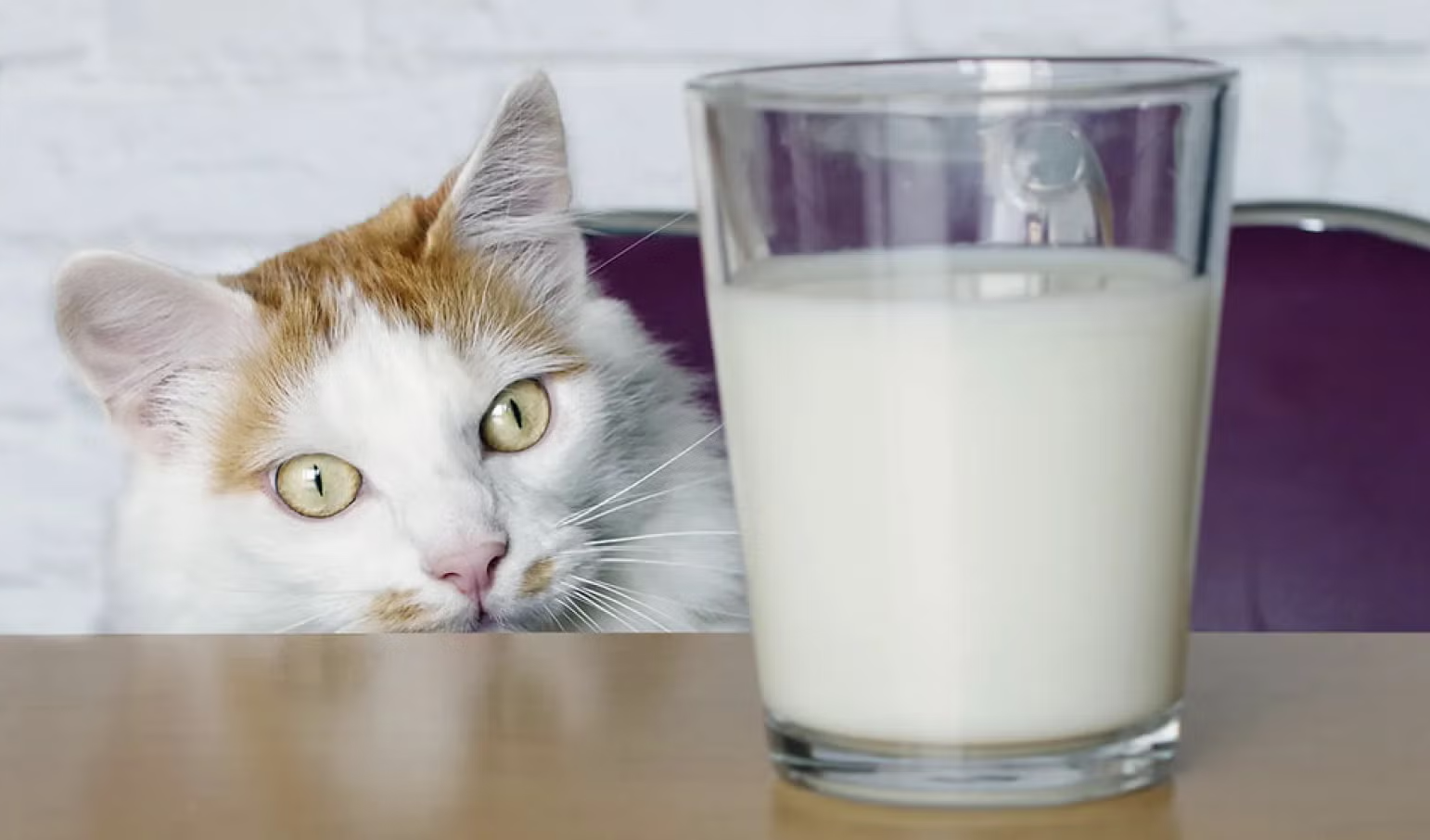
Q3: Is it safe to feed my cat fresh raw fish or raw milk as a regular treat?
A: No. Raw fish contains an enzyme called thiaminase, which breaks down thiamine (Vitamin B1). If fed regularly, it can cause a dangerous thiamine deficiency, leading to severe neurological symptoms and seizures. Regarding milk, most adult cats are actually lactose intolerant. They lose the lactase enzyme after weaning, so giving them cow’s milk will lead to painful stomach cramps, bloating, and severe diarrhea.
Q4: How can I tell if my cat is overweight, and what should I do?
A: Use the hands-on Rib Test. Gently run your hands along your cat’s rib cage. On a healthy cat, you should be able to easily feel their ribs beneath a thin layer of fat without pressing hard. If you have to press firmly to find the ribs, or if they have lost their defined waistline when viewed from above, your cat is overweight. Talk to your vet to calculate a safe, gradual weight-loss plan—cutting their food portions too drastically can trigger a fatal liver disease called hepatic lipidosis.