Every cat parent knows that felines are creatures of strict routine. They thrive on predictability, especially when it comes to their feeding schedules. When a normally enthusiastic cat suddenly snubs their food bowl, walks away from their favorite treats, or becomes intensely picky overnight, it triggers an immediate wave of stress for the owner.
In the veterinary world, a partial or complete loss of appetite is known as feline anorexia or inappetence. Unlike dogs or humans, who can safely go a few days without food, a fasting cat faces a unique, fast-moving metabolic danger.
This comprehensive, masterclass will explore the psychological and physiological triggers behind why cats stop eating, break down actionable strategies to revive their appetite, analyze targeted nutritional interventions, and give you a clear roadmap on exactly when to seek emergency veterinary care.
The Biological Emergency Why a Fasting Cat Cannot Wait
Before exploring the superficial reasons why a cat might reject their meal, we must address the urgent internal biology of a fasting feline. A common mistake pet owners make is waiting out a stubborn cat, assuming that “they will eat when they get hungry enough.” With cats, this logic can be dangerous.
                         [ The Feline Fasting Crash Loop ]
                                         │
        ┌────────────────────────────────┴────────────────────────────────┐
        ▼                                                                 ▼
 [ Appetite Cessation ]                                         [ Hepatic Lipidosis ]
 ├── Energy stores empty within 24–48 hours                     ├── Liver gets flooded with raw fat
 ├── System mobilizes peripheral lipids                         ├── Cells choke on fat processing
 └── Liver processing breaks down                               └── Systemic organ failure begins
1. The Threat of Hepatic Lipidosis (Fatty Liver Disease)
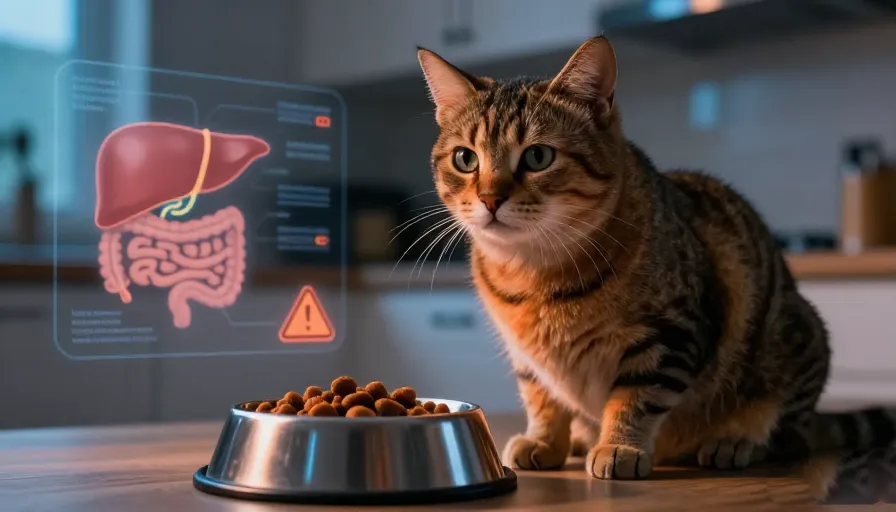
Cats are obligate carnivores, meaning their entire metabolism is structurally engineered to process a continuous supply of dietary protein and fats. When a cat stops eating or consumes significantly fewer calories over a 24 to 48-hour period, their energy stores empty rapidly.
To compensate for the lack of incoming food, the cat’s body automatically begins mobilizing its peripheral fat stores, sending a massive flood of raw lipids directly to the liver to be converted into usable glucose.
However, the feline liver is not anatomically equipped to process large volumes of fat quickly. The liver cells become overwhelmed, storing the excess fat within their own tissues. This condition is known as Hepatic Lipidosis (Fatty Liver Disease).
As fat builds up inside the liver, the organ swells, cuts off its own blood supply, and loses the ability to filter toxins out of the blood. If left untreated, hepatic lipidosis can lead to jaundice, liver failure, and death, transforming a simple loss of appetite into a life-threatening medical emergency.
Structural Breakdown The 4 Core Reasons Your Cat Is Rejecting Food
When a cat walks away from their food bowl, their behavior is a direct response to a specific physical or emotional trigger. These triggers fall into four primary categories:
                     [ Root Triggers of Feline Inappetence ]
                                        │
         ┌──────────────────────────────┼──────────────────────────────┐
         ▼                              ▼                              ▼
  [ Dietary Boredom ]           [ Stress & Anxiety ]           [ Medical Issues ]
  ├── Flavor fatigue            ├── Environment changes        ├── Dental pain / lesions
  ├── Stale/oxidized fats       ├── New routine/adoption       ├── Gastrointestinal illness
  └── Unappealing textures      └── Routine vaccinations       └── Chronic kidney disease
Trigger 1: Culinary Dissatisfaction and Dietary Aversion
Sometimes, a cat’s refusal to eat has less to do with sickness and more to do with the food itself.
[ Open Bag Exposed to Air ] ──► [ Fat Oxidation / Rancidity ] ──► [ Cat Smells Spoilage ] ──► [ Food Rejection ]
Flavor Fatigue and Texture Preferences
Cats possess highly sensitive palates and an incredibly acute sense of smell. If they are fed the exact same protein source and kibble texture for months or years on end, they can develop flavor fatigue.
Additionally, cats are deeply sensitive to the mouthfeel of their food. A sudden change in recipe texture—such as moving from a smooth paté to a chunky gravy-based wet food—can cause a cat to reject the meal entirely simply because the texture feels unfamiliar.
The Chemistry of Stale Kibble
When a bag of dry cat food is opened and exposed to the air, the fats inside immediately begin to break down through a process called lipid oxidation. Over time, this oxidation turns the food stale and rancid.
While a human might not smell the difference, a cat’s advanced nose will instantly pick up on the spoiled fats, leading them to reject the food to protect themselves from eating bad oil.
Trigger 2: Post-Vaccination Lethargy and Immune Responses
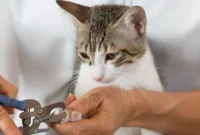
If your cat loses their appetite within 24 to 48 hours after a veterinary checkup, the cause is often an immune response to routine vaccinations.
[ Vaccine Injected ] ──► [ Immune System Activation ] ──► [ Mild Fever & Nausea ] ──► [ Temporary Inappetence ]
Just like in humans, vaccines work by stimulating a cat’s immune system to build protective antibodies. This sudden spike in immune activity can cause mild, temporary side effects, including low-grade fever, muscle soreness at the injection site, and general lethargy.
When a cat feels run-down or slightly nauseous from an active immune response, their appetite naturally drops. This side effect is typically mild and should resolve on its own within one to two days as the immune system settles.
Trigger 3: Environmental Stress and Psychological Anxieties
Cats are territorial animals that rely on a stable, predictable environment to feel safe. When their surroundings change, their stress levels can skyrocket.
[ New Home or New Pet ] ──► [ High Cortisol Production ] ──► [ Gastrointestinal Shutdown ] ──► [ Anorexia ]
The Impact of Big Changes
Major changes like moving to a new home, bringing home a new pet, or welcoming a baby can disrupt a cat’s sense of security. Even minor changes, like rearranging your furniture or changing your work schedule, can trigger situational anxiety.
How Stress Shuts Down Appetite
When a cat feels anxious, their brain triggers a release of stress hormones like cortisol and adrenaline. These hormones shift the body into a “fight-or-flight” response, redirecting blood flow away from the digestive tract and toward the heart and skeletal muscles.
This internal shift slows down digestion and suppresses hunger signals. An anxious cat will often prioritize monitoring their environment for potential threats over eating, leading to stress-induced anorexia.
Trigger 4: Underlying Sickness and Medical Conditions
When a cat’s loss of appetite is sudden, persistent, and unrelated to their environment or food changes, it is almost always a symptom of an underlying medical issue.
                      [ Medical Triggers of Feline Anorexia ]
                                          │
         ┌────────────────────────────────┴────────────────────────────────┐
         ▼                                ▼                                ▼
  [ Dental & Oral ]                 [ Gastrointestinal ]              [ Systemic Illness ]
  ├── Resorptive tooth lesions      ├── Hairball / foreign body block ├── Chronic Kidney Disease
  ├── Severe gingivitis pain        ├── Inflammatory Bowel Disease    ├── Upper Respiratory infection
  └── Fractured teeth roots         └── Acute pancreatitis inflammation └── Hepatic failure dysfunction
Dental Pain and Oral Disease
If a cat wants to eat but physically cannot, the issue is often located inside their mouth. Conditions like feline resorptive lesions (where the body internally destroys the tooth root), advanced gingivitis, fractured teeth, or oral ulcers make chewing incredibly painful. A cat with oral pain may walk up to the food bowl, look at it longingly, and even pick up a piece of kibble, only to drop it or hiss and walk away because the pain is too intense.
Gastrointestinal Blockages and Inflammation
Conditions like a swallowed foreign object, a large hairball obstruction, Inflammatory Bowel Disease (IBD), or pancreatitis can cause constant nausea, cramping, and acid reflux. When a cat’s digestive tract is inflamed or blocked, the brain shuts down all hunger signals to prevent additional food from complicating the issue.
Chronic Systemic Conditions
Diseases like Chronic Kidney Disease (CKD) cause metabolic waste products to build up in the bloodstream. This toxicity triggers chronic nausea, stomach ulcers, and a metallic taste in the mouth, destroying the cat’s desire to eat.
Similarly, upper respiratory infections plug a cat’s nasal passages. Because cats rely heavily on their sense of smell to stimulate their appetite, a congested cat who cannot smell their food will simply refuse to eat it.
Actionable Protocol How to Stimulate Your Cat’s Appetite
To safely restore your cat’s appetite, you need to address both the physical appeal of the food and the emotional comfort of their environment. Use this step-by-step framework to encourage your cat to start eating again:
┌───────────────────────────────────────────────────────────────────────────┐
│                      [ Appetite Restoration Flow ]                        │
├───────────────────────────────────────────────────────────────────────────┤
│  1. Thermal Upgrade ──► 2. Sensory Enhancement ──► 3. Stress Reduction   │
└───────────────────────────────────────────────────────────────────────────┘
Step 1: Thermal Upgrade (Warm the Food)
A cat’s appetite is directly tied to their sense of smell. In the wild, a cat’s prey is freshly caught and warm, which naturally releases strong aromatic scents. Cold food straight from the refrigerator has almost no scent profile, making it unappealing to a picky or stressed cat.
[ Cold Wet Food ] ──► Microwaved for 5–10 Seconds ──► Aromatic Molecules Release ──► Stimulates Olfactory Receptors
To recreate this natural hunting trigger, place your cat’s wet food in a microwave-safe dish and warm it for 5 to 10 seconds until it reaches body temperature (around 38.5°C).
Warming the food melts the fats and releases aromatic molecules into the air. When your cat breathes in these heightened scents, it stimulates the olfactory receptors in their nasal passages, sending a strong signal to the brain to trigger hunger and salivation.
Step 2: Sensory Enhancement (Boost the Flavor)
If your cat is suffering from flavor fatigue or mild nausea, you can make their food significantly more appealing by adding nutrient-dense, highly aromatic toppers:
                          [ Flavor Booster Options ]
                                      │
         ┌────────────────────────────┼────────────────────────────┐
         ▼                            ▼                            ▼
  [ Fish Toppers ]             [ Warm Broth ]               [ Freeze-Dried ]
  ├── Tuna / Salmon juice      ├── Low-sodium bone broth    ├── Crushed chicken liver
  └── Intense scent profile    └── Adds vital hydration     └── Concentrated pure meat
-
Tuna or Salmon Juice: Drizzle a teaspoon of water from a can of tuna or salmon (packed in water with no added salt) directly over their meal. The intense fish scent is highly effective at kickstarting a reluctant cat’s appetite.
-
Warm Bone Broth: Pour a small amount of warm, low-sodium chicken or beef bone broth over dry kibble or wet food. Make sure the broth contains no onions or garlic, as these ingredients are toxic to felines. The warm broth creates a tasty gravy and adds vital hydration.
-
Freeze-Dried Meat Powders: Dust a small amount of crushed, freeze-dried chicken liver, salmon, or bonito flakes over their food. These pure meat toppers provide a concentrated burst of flavor and protein that can tempt a picky eater.
Step 3: Stress Reduction and Environmental Comfort
An anxious cat will not eat if they feel exposed or vulnerable to potential threats. You can lower their stress levels and make meal times feel safe by optimizing their feeding environment:
Targeted Nutritional Therapy — Choosing the Right Food for Sensitive Digestion
If your cat’s loss of appetite is driven by chronic digestive issues, inflammatory bowel conditions, or sensitive skin and stomach traits, switching to a specialized, veterinary-guided therapeutic diet can make a world of difference.
1. The Strategy Behind Easy-to-Digest Wet Foods
When a cat is recovering from an illness or dealing with a sensitive stomach, their digestive tract is highly vulnerable. Standard cat foods can be difficult to process, leading to cramping, gas, and continued food refusal.
During these recovery windows, transitioning to an ultra-premium, easy-to-digest wet food like Pro Plan Adult Sensitive wet food can help stabilize their system:
-
High Protein Bioavailability: Built with premium meat proteins that are easily broken down, minimizing the metabolic workload on the liver and kidneys.
-
Prebiotic Reinforcement: Formulated with soluble prebiotic fibers that nourish beneficial gut bacteria, reducing inflammation and helping firm up loose stools.
-
Increased Hydration: Wet food delivers a high volume of moisture directly into the body, protecting kidney function and flushing out internal toxins.
2. High-Performance Kibble for Sensitive Systems
For cats who prefer dry food, your choice of kibble needs to balance exceptional flavor with ingredients that are gentle on the stomach. Specialized diets like Pro Plan Adult Sensitive Skin & Stomach (formerly known as Pro Plan Delicate) are engineered specifically to meet these needs:
[ Sensitive Digestive Tract ] ──► Hydrolyzed Fish Proteins ──► Easy Nutrient Absorption ──► Stable System
-
Hydrolyzed Fish Proteins: Uses real salmon and tuna as primary protein sources. These proteins are easily broken down into smaller pieces, ensuring smooth nutrient absorption while minimizing the risk of triggering food allergies.
-
Live Active Probiotics: Every serving is enriched with live, veterinary-verified probiotics that actively restore balance to the gut microbiome and strengthen the digestive lining.
-
Varied Kibble Shapes: The kibble shapes and textures are designed to be highly appealing, helping stimulate a cat’s natural chewing desire even when their appetite is low.
Diagnostic Reference Matrix — When to Call the Vet
As a pet parent, you need to be able to distinguish between a minor case of picky eating and a true medical emergency. Use this diagnostic matrix to guide your decisions and protect your cat’s health:
                       [ Feline Appetite Emergency Scale ]
                                        │
        ┌───────────────────────────────┴───────────────────────────────┐
        ▼                                                               ▼
 [ Green Flag: Monitor at Home ]                               [ Red Flag: Call the Vet ]
 ├── Missed a single meal                                      ├── Complete fasting past 24 hours
 ├── Active, alert, and playing                                ├── Paired with vomiting / diarrhea
 └── Pink, healthy oral gums                                   └── Pale, yellow, or tacky gums
| Inappetence Duration | Accompanying Symptoms | General Energy Level | Recommended Action Plan | Emergency Priority Level |
| Less than 12 Hours | None. The cat simply skipped a single meal. | Bright, alert, active, and responsive. | Clean the bowl, introduce a fresh batch of food, and monitor their behavior closely. | Low: Normal variation. |
| 12 to 24 Hours | Minor hairball hacking or mild post-vaccine lethargy. | Slightly quiet but still moving around the house. | Warm their wet food, add a flavorful topper, and create a calm feeding space. | Moderate: Monitor closely. |
| 24 to 48 Hours | Occasional vomiting, loose stools, or mild drooling. | Lethargic, hiding in dark corners, refusing to play. | Call Your Veterinarian. Schedule an appointment for a physical checkup and bloodwork. | High: Risk of fatty liver disease. |
| Over 48 Hours | Yellowish skin/eyes (jaundice), constant vomiting, unsteadiness. | Completely unresponsive, extremely weak, or cold to the touch. | Immediate Emergency Care. Take your cat to the nearest animal hospital for IV fluids and intensive care. | Critical: Life-threatening emergency. |
Clinical Interventions — What Happens at the Veterinary Clinic?
When you bring a cat with chronic inappetence to the clinic, your veterinarian will act quickly to prevent hepatic lipidosis and uncover the root cause of the issue.
[ Physical Evaluation ] ──► [ Diagnostic Labs ] ──► [ IV Fluid Therapy ] ──► [ Advanced Feeding Tubes ]
1. Diagnostic Testing and Lab Work
The medical team will start with a comprehensive physical exam and diagnostic labs to see what is happening inside your cat’s body:
-
Complete Blood Count (CBC) & Chemistry Panel: This screens for signs of infection, monitors kidney and liver function, and checks blood sugar levels.
-
Abdominal Ultrasound or X-rays: These imaging tools allow the vet to check for hidden foreign body blockages, internal fluid buildup, or tissue inflammation.
-
Comprehensive Dental Evaluation: The vet will carefully examine the mouth using an oral probe to search for painful resorptive lesions or hidden dental fractures.
2. Clinical Treatments to Restore Stability
Once the diagnostics are underway, the team will start supportive treatments to stabilize your cat and make them feel comfortable:
-
Intravenous (IV) Fluid Therapy: Dehydration can set in quickly when a cat stops eating, making them feel increasingly nauseous and weak. Rehydrating the body with tailored IV fluids balances vital electrolytes, flushes out metabolic waste, and clears away feelings of nausea.
-
Prescription Anti-Nausea Medications: The vet can administer fast-acting medications like Maropitant (Cerenia) or Ondansetron directly through the IV line. These treatments block nausea signals in the brain and digestive tract, making the cat feel comfortable enough to consider eating again.
-
Targeted Appetite Stimulants: The medical team can use advanced medications like Mirtazapine (Mirataz)—a transdermal gel applied easily to the inner ear flap—or Capromorelin (Elura). These treatments interact directly with the brain’s hunger centers, stimulating a strong natural desire to eat within hours.
3. Advanced Nutritional Support: Esophagostomy Feeding Tubes
If a cat’s internal organs are severely compromised or if they refuse to eat on their own after several days of therapy, your veterinarian may recommend placing an Esophagostomy tube (E-tube).
[ Suture Entry Point on Neck ] ──► Guided Down Esophagus ──► Sits Safely in Stomach ──► Direct Liquid Nutrition
While the idea of a feeding tube can feel overwhelming to a pet parent, an E-tube is a safe, comfortable, and life-saving tool. Under a brief, light anesthesia, the vet places a small, flexible silicone tube through a tiny incision on the side of the neck, running down the esophagus to sit safely in the stomach.
The tube is secured with soft bandages, allowing you to easily deliver liquid nutrition, blended recovery food, and oral medications directly into the stomach without causing stress to your cat’s mouth or throat. Your cat can still eat food on their own with the tube in place.
Once their health stabilizes and they are eating fully on their own again, the tube is removed quickly and painlessly during a standard clinic visit, leaving a tiny skin gap that heals completely within a few days.
Strategic Blueprint for Long-Term Appetite Stability
Protecting your cat from future bouts of food refusal requires building a resilient, stress-free feeding routine. Keep these four essential safety rules at the center of your pet care plan:
[ Fresh Small Batches ] + [ Regular Weight Monitoring ] + [ Clean Eating Environment ] = Long-Term Stability
-
Buy Smaller Food Bags: To prevent dry kibble from going stale and oxidising, buy smaller bags that your cat can finish within three to four weeks. Store the food inside its original packaging inside an airtight container to lock in freshness and aroma.
-
Track Their Weight Weekly: Invest in a digital pet scale and weigh your adult cat once a week. Because cats are masters at hiding weight loss under their fur, tracking their actual numbers allows you to spot a creeping drop in weight early, well before it turns into a medical emergency.
-
Wash Food Bowls Daily: Treat your cat’s food dishes with the same cleanliness standards you use for your own dinner plates. Wash their bowls daily with hot, soapy, unscented water to prevent bacteria from building up and turning them off their food.
-
Maintain Consistent Vet Checkups: Schedule wellness exams at least once a year for adult cats, and twice a year for senior felines over seven years old. Regular checkups allow your vet to catch creeping dental disease or early kidney issues before they impact your cat’s appetite.
By understanding the unique biology of your cat’s metabolism and learning to recognize the environmental and medical factors that affect their appetite, you can take quick, confident action to keep them happy, well-nourished, and thriving for years to come.
Frequently Asked Questions (FAQ)
1. Why is my cat suddenly not eating?
Cats may stop eating due to stress, dental pain, illness, digestive problems, food aversion, post-vaccination side effects, or environmental changes. A sudden loss of appetite should always be monitored carefully because cats can develop serious complications quickly.
2. How long can a cat safely go without eating?
Cats should never go more than 24–48 hours without food. Extended fasting can lead to hepatic lipidosis (fatty liver disease), a potentially life-threatening condition.
3. What is hepatic lipidosis in cats?
Hepatic lipidosis, also called fatty liver disease, occurs when a cat’s body rapidly breaks down fat stores during starvation. The liver becomes overwhelmed with fat deposits, leading to liver dysfunction and possible organ failure.
4. When should I take my cat to the vet for not eating?
You should contact a veterinarian immediately if your cat:
- Refuses food for more than 24 hours
- Vomits repeatedly
- Has diarrhea
- Appears lethargic or weak
- Hides constantly
- Develops yellow gums or eyes
- Shows signs of dehydration
5. Can stress cause a cat to stop eating?
Yes. Cats are highly sensitive to environmental changes. Moving homes, new pets, loud noises, visitors, or schedule changes can increase stress hormones and suppress appetite.
6. How can I encourage my cat to eat again?
You can try:
- Warming wet food slightly
- Adding tuna water or bone broth
- Offering strong-smelling foods
- Feeding in a quiet area
- Using calming pheromone diffusers
- Switching to softer or more digestible food
7. Why does my cat sniff food but refuse to eat it?
This behavior often indicates nausea, dental pain, oral disease, or stress. The cat may want to eat but physically feels uncomfortable doing so.
8. Can dental problems make cats stop eating?
Absolutely. Conditions like gingivitis, tooth fractures, oral ulcers, and resorptive lesions can make chewing painful, causing cats to avoid food.
9. Is it normal for a cat to lose appetite after vaccinations?
Mild appetite loss for 24–48 hours after vaccinations can happen due to temporary immune system activation, mild fever, or soreness. If symptoms persist longer, contact your veterinarian.
10. What foods are best for cats with sensitive stomachs?
Highly digestible wet foods, hydrolyzed protein diets, probiotic-rich formulas, and veterinary-sensitive stomach foods are often recommended for cats with digestive issues.
11. Should I force-feed my cat at home?
Force-feeding should only be done under veterinary guidance. Incorrect feeding techniques can cause choking, aspiration pneumonia, or additional stress.
12. Why won’t my cat eat dry food anymore?
Your cat may dislike stale kibble, suffer from dental pain, prefer wet textures, or have difficulty chewing. Aging cats especially may switch preferences toward softer foods.
13. Can dehydration affect my cat’s appetite?
Yes. Dehydration often worsens nausea and weakness, making cats even less likely to eat. Wet food and increased hydration are important during recovery.
14. What appetite stimulants do veterinarians use for cats?
Veterinarians commonly prescribe medications like:
- Mirtazapine (Mirataz)
- Capromorelin (Elura)
- Anti-nausea medications such as Cerenia or Ondansetron
15. Can a feeding tube save a cat that refuses food?
Yes. Esophagostomy feeding tubes (E-tubes) are safe and effective for providing nutrition during recovery from severe illness or prolonged anorexia.
16. Why is my senior cat not eating?
Older cats commonly lose appetite due to chronic kidney disease, arthritis pain, dental disease, hyperthyroidism, or gastrointestinal disorders.
17. How do I know if my cat’s appetite loss is serious?
Loss of appetite becomes serious if it lasts longer than 24 hours or occurs alongside vomiting, diarrhea, jaundice, lethargy, weight loss, or dehydration.
18. Can upper respiratory infections stop a cat from eating?
Yes. Cats rely heavily on smell to stimulate appetite. Nasal congestion from respiratory infections can make food seem unappealing.
19. How can I reduce mealtime stress for my cat?
Create a calm feeding environment by:
- Feeding in quiet locations
- Separating food and litter boxes
- Maintaining consistent routines
- Using elevated feeding areas
- Avoiding sudden environmental changes
20. What is the best way to prevent appetite problems in cats?
Preventive care includes:
- Regular veterinary checkups
- Fresh food storage
- Daily bowl cleaning
- Monitoring body weight
- Reducing stress
- Feeding high-quality balanced nutrition