For many PetLovers, seeing their cat vomit is a common, albeit distressing, occurrence. Whether it is a Persian cat or a domestic shorthair, vomiting is often dismissed as “just a cat thing.” However, from a clinical perspective, vomiting or emesis is a complex physiological reflex. It is the body’s way of sounding an alarm that something is wrong within the digestive tract, the neurological system, or the environment.
Understanding the difference between a harmless hairball and a life-threatening toxicity is the hallmark of a responsible owner. This guide provides a deep-dive analysis into the mechanisms of feline vomiting, the environmental triggers, and the nutritional solutions available to manage your cat’s health.

The Physiology of Vomiting: What Happens Inside?
Vomiting is not just “throwing up.” It is a three-stage process managed by the Emetic Center in the cat’s brain.
Nausea and Retching
Before the actual vomit appears, cats experience a period of intense nausea. You may notice your cat licking their lips excessively, salivating, or swallowing repeatedly. This is followed by “retching”—the rhythmic contraction of the abdominal muscles and diaphragm. This is the “suara dari tenggorokan” (throat sound) often noticed by owners.
Ejection
Unlike regurgitation (where food comes up effortlessly), vomiting is an active process. The stomach contents are forcefully expelled through the esophagus. Understanding this distinction is vital for your veterinarian to make an accurate diagnosis.
Dietary Habits: The “Speed-Eater” Syndrome
One of the most common reasons for a healthy cat to vomit is their behavior during mealtime.
Scarf and Barf
Some cats, particularly those in multi-cat households, feel a competitive pressure to eat as quickly as possible. When a cat “scarfs” their dry kibble, the biscuits hit the stomach and rapidly expand as they absorb gastric juices. This sudden expansion triggers stretch receptors in the stomach wall, leading to an immediate “reflex vomit.”
The Post-Meal Sprint
Cats that engage in high-intensity play immediately after eating are also prone to vomiting. The physical exertion disrupts the initial stages of digestion.
-
Pro Tip: If your cat eats too fast, consider using a Slow Feeder or “lifting the bowl” briefly during mealtime to encourage them to swallow before taking the next bite.
The Science of Hairballs (Trichobezoars)
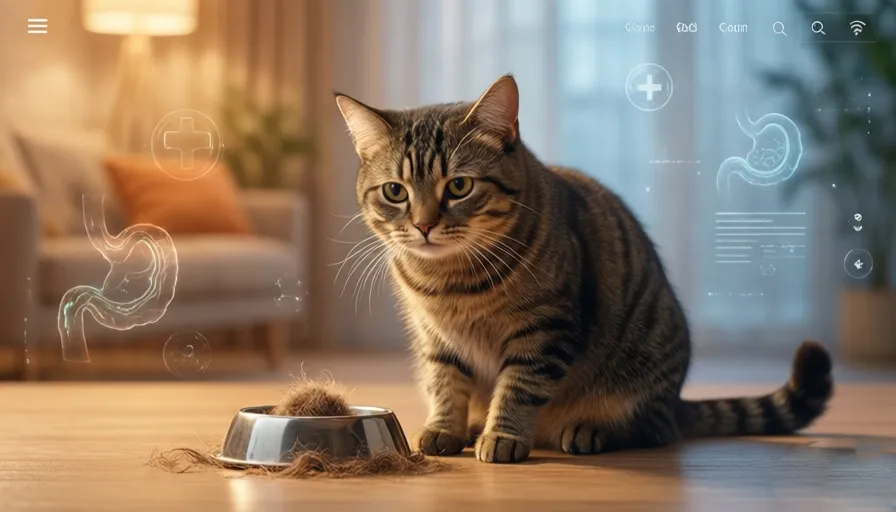
Hairballs are particularly prevalent in long-haired breeds like Angoras and Persians. While they are often viewed as a nuisance, they can lead to dangerous intestinal blockages.
The Grooming Cycle
Cats are fastidious groomers. Their tongues are covered in tiny hooks called papillae, which act like a comb. While grooming, they inevitably swallow loose fur. In a healthy system, this fur should pass through the intestines and exit via the feces.
The Role of Fiber and Nutrition
If a cat lacks sufficient dietary fiber, the swallowed hair accumulates in the stomach, forming a “trichobezoar.” To combat this, specialized nutrition like Pro Plan Derma Plus is essential.
-
Inulin Fiber: This prebiotic fiber helps move hair through the digestive tract smoothly.
-
Skin Health: By providing high-quality protein and Zinc, the coat is strengthened, leading to less shedding and, consequently, fewer hairballs.
Toxicity: Hidden Dangers in the Home
Kittens and curious adult cats often investigate their environment with their mouths. What is safe for humans can be fatal for felines.
Household Chemicals and Fragrances
Floor cleaners, glass sprays, and even some essential oil diffusers can cause acute vomiting. Cats may walk across a wet floor and then lick their paws, unknowingly ingesting toxic chemicals.
The Lily Warning
Many PetLovers are unaware that Lilies (Lilium species) are highly nephrotoxic to cats. Even a small amount of pollen licked off their fur can lead to acute kidney failure. Vomiting is often the first sign of this poisoning.
Human Medications (The Ibuprofen/Paracetamol Danger)
Never attempt to self-medicate your cat. Common pain relievers like Paracetamol or Ibuprofen are toxic to cats because they lack the liver enzymes necessary to metabolize these drugs. Even a single tablet can be fatal.
Chronic vs. Acute Vomiting: When to See a Vet
Identifying the frequency of vomiting is the key to determining the level of emergency.
Acute Vomiting
If your cat vomits once but continues to eat, play, and use the litter box normally, it may be a simple stomach upset. However, if they vomit multiple times in 24 hours, it is a medical emergency that could lead to severe dehydration.
Chronic Vomiting
Vomiting once a week or once a month is not normal. This often points to underlying chronic issues such as Inflammatory Bowel Disease (IBD), food allergies, or hyperthyroidism. Chronic irritation in the gut prevents nutrient absorption, leading to weight loss and a dull coat.
Nutritional Management: The Pro Plan Solution
Feeding a scientifically formulated diet is the first line of defense against digestive issues.
Hydrolyzed Protein and Sensitivity
For cats that vomit due to food sensitivities, switching to a protein source that their body doesn’t recognize as an “invader” can stop the vomiting cycle. High-quality ingredients reduce the workload on the pancreas and liver.
The Derma Plus Formula
For owners of Angora or other long-haired breeds, Pro Plan Derma Plus serves a dual purpose:
-
Fiber-Rich: Facilitates the passage of hairballs.
-
Nutrient-Dense: Ensures the skin barrier is intact, reducing the amount of loose fur the cat swallows during grooming.
Conclusion: Observation is the Best Medicine
Vomiting is a symptom, not a disease. Whether it is triggered by a “hairball,” a “scary” cleaning chemical, or a “scarf and barf” eating habit, your role as a PetLover is to observe and intervene. By choosing the right nutrition and keeping a “pet-safe” home, you can significantly reduce the frequency of these episodes.
If your cat’s vomiting persists, do not wait. Consult with a veterinarian or a scientific expert from Pro Plan to ensure your feline companion receives the diagnostic care they deserve.
FAQ: Why Do Cats Vomit?
Is vomiting normal for cats?
Occasional vomiting can happen, especially with hairballs, but frequent or repeated vomiting is not normal and may indicate an underlying medical issue.
What is the difference between vomiting and regurgitation in cats?
Vomiting is an active process involving abdominal contractions and nausea, while regurgitation is passive and usually occurs shortly after eating without retching.
Why does my cat make strange throat sounds before vomiting?
Cats often retch before vomiting. This involves rhythmic contractions of the throat, diaphragm, and stomach muscles as the body prepares to expel stomach contents.
Why do cats vomit after eating too quickly?
Some cats experience “scarf and barf” syndrome, where rapid eating causes the stomach to stretch suddenly, triggering a reflex vomit.
How can I stop my cat from eating too fast?
You can try:
- slow feeder bowls,
- smaller meal portions,
- puzzle feeders,
- or pausing meals briefly during feeding.
Are hairballs dangerous for cats?
Occasional hairballs are common, especially in long-haired breeds, but excessive hairballs can lead to intestinal blockages and digestive problems.
Why do long-haired cats vomit more often?
Breeds like Persians and Angoras swallow more fur during grooming, increasing the risk of hairball formation in the stomach.
Can diet help reduce hairballs?
Yes. Diets rich in fiber and skin-support nutrients can help hair pass through the digestive tract more easily and reduce shedding.
What foods are commonly recommended for hairball control?
Specialized formulas like Pro Plan Derma Plus are designed to support skin health, reduce shedding, and improve digestive movement of swallowed fur.
What household items can make cats vomit?
Common toxic triggers include:
- cleaning chemicals,
- essential oils,
- certain plants,
- spoiled food,
- and human medications.
Are lilies really dangerous to cats?
Yes. Lily species are extremely toxic and can cause acute kidney failure, even from small amounts of pollen exposure.
Can human painkillers harm cats?
Absolutely. Medications like Ibuprofen and Paracetamol are highly toxic to cats and should never be given without veterinary supervision.
When should I take my vomiting cat to the vet?
Seek veterinary care if your cat:
- vomits repeatedly within 24 hours,
- stops eating,
- becomes lethargic,
- loses weight,
- shows blood in vomit,
- or has chronic vomiting episodes.
Can stress cause vomiting in cats?
Yes. Anxiety, sudden environmental changes, travel, or multi-cat household tension can contribute to digestive upset and vomiting.
What is chronic vomiting in cats?
Chronic vomiting refers to recurring episodes over weeks or months and may indicate conditions such as:
- food allergies,
- inflammatory bowel disease (IBD),
- hyperthyroidism,
- or kidney disease.
Can dehydration happen quickly after vomiting?
Yes. Cats can become dehydrated rapidly, especially kittens and senior cats, making repeated vomiting a potentially serious emergency.